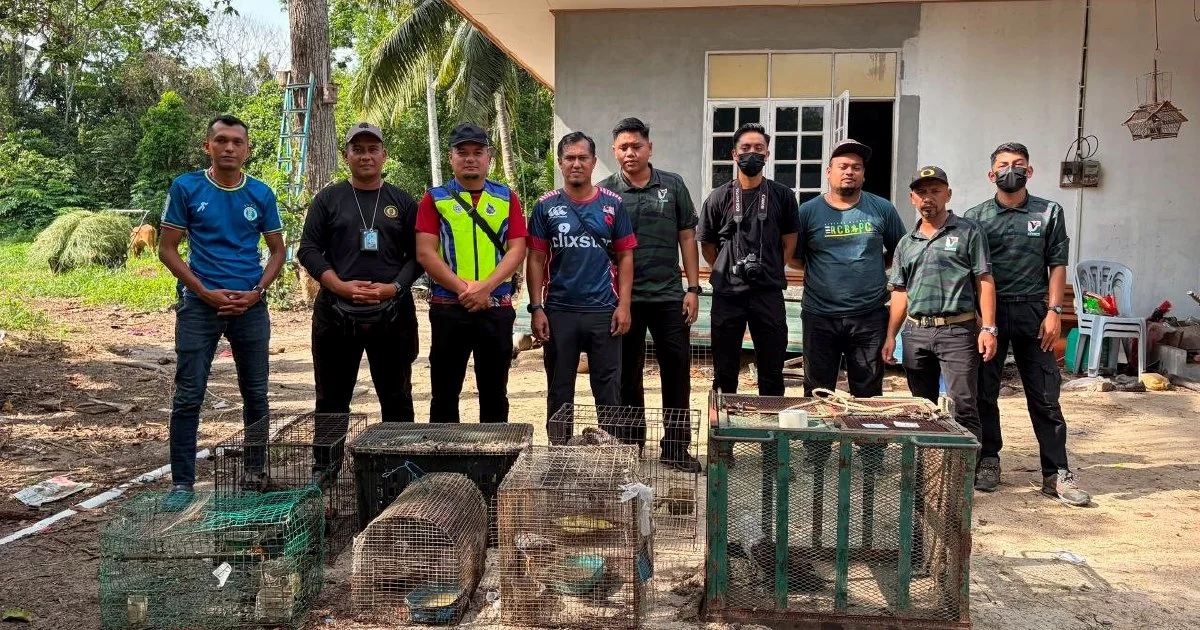
Enforcement authorities in Tumpat executed a raid that resulted in the arrest of an 18-year-old suspect in possession of protected wildlife species with a combined market value of RM48,500. The operation represents the latest action in Malaysia's ongoing campaign to combat illegal wildlife trafficking, a criminal enterprise that continues to drain the nation's biodiversity while enriching traffickers and organised criminal networks.
The recovered specimens comprised four distinct protected species, though officials have not disclosed the specific varieties involved. The substantial valuation placed on the animals underscores the lucrative nature of wildlife smuggling and poaching operations, which generate enormous profits for criminal syndicates operating across Southeast Asia. The high monetary worth suggests these were either rare or endangered species commanding premium prices on black markets, whether for domestic trade or international smuggling routes.
The arrest of such a young individual raises broader questions about recruitment patterns within wildlife trafficking networks. Criminal organisations frequently target youth who may face economic desperation or limited legitimate employment opportunities, employing them as couriers or handlers in lower-risk roles. The teenager's involvement suggests that trafficking networks continue operating with relative impunity across Malaysian territory, capable of moving contraband without fear of immediate detection. This remains particularly concerning given Malaysia's position as a key transit point for wildlife destined for international markets, especially in regional demand centres across Asia.
Raid operations such as this one depend critically on intelligence gathering and inter-agency coordination between police, wildlife authorities, customs, and environmental protection agencies. The Tumpat operation demonstrates that Malaysian law enforcement maintains active surveillance and intelligence networks focused on wildlife crime. However, enforcement actions typically represent only a fraction of total trafficking activity occurring across the country. Many illegal operations continue undetected, particularly in remote areas where oversight is sparse and corruption may facilitate criminal activity.
Malaysia's legal framework provides substantial penalties for wildlife trafficking, yet enforcement remains inconsistent and resources stretched thin across an enormous geographic area encompassing Peninsular Malaysia, Sabah, and Sarawak. The Wildlife Conservation Enactment and Federal Constitution designate numerous species as wholly protected, making any possession without proper permits a serious criminal offence. Conviction can result in substantial fines and imprisonment, designed to serve as deterrents against trafficking participation. Nevertheless, the persistence of such operations indicates that penalties, however severe, have not sufficiently dampened demand or disrupted supply chains.
The environmental consequences of wildlife trafficking extend far beyond individual captured animals. Poaching pressure on protected species threatens ecosystem stability and biodiversity conservation across Malaysia, disrupting habitats and species populations already vulnerable to habitat loss from deforestation and development. Certain species face particular vulnerability due to slow reproductive rates or restricted geographic distribution, placing entire populations at risk when trafficking targets them. The cumulative impact of years of poaching has already driven several Malaysian wildlife species toward functional extinction in the wild, with remaining populations confined to protected reserves or captive breeding programmes.
Southeast Asian wildlife trafficking functions as a sophisticated international criminal enterprise, with supply chains extending from poachers and local middlemen through regional trafficking hubs toward consumer markets in China, Vietnam, Thailand, and other destinations. The RM48,500 valuation attached to the confiscated animals reflects what traffickers expect to realise through sale to dealers and buyers, typically representing only a portion of ultimate retail value after multiple handlers extract profits. Understanding this supply chain structure is essential for disrupting trafficking at multiple intervention points rather than simply responding to occasional law enforcement seizures.
The Tumpat case illustrates how wildlife crime generates revenue for criminal networks that often maintain parallel involvement in drug trafficking, human smuggling, and other illicit enterprises. Disrupting these networks requires sustained intelligence operations, cross-border cooperation with neighbouring enforcement agencies, and international coordination through frameworks like CITES (the Convention on International Trade in Endangered Species). Malaysia's law enforcement agencies collaborate with regional and global partners, yet trafficking continues unabated due to enormous profit margins that incentivise risk-taking among perpetrators.
For Malaysian readers and policymakers, this arrest underscores persistent challenges in wildlife protection despite legislative frameworks and periodic enforcement operations. The involvement of a teenager highlights how trafficking networks recruit broadly across demographic groups, suggesting need for public awareness programmes targeting youth about involvement risks and environmental consequences. Furthermore, successful prosecution of trafficking cases requires cooperation from witnesses and informants, necessitating mechanisms that protect sources while encouraging public participation in enforcement efforts.
Looking forward, comprehensive anti-trafficking strategies must combine enhanced enforcement with demand reduction initiatives that address underlying market incentives for wildlife trade. Regional cooperation remains essential, given that wildlife trafficking networks operate across borders and require coordinated interdiction efforts. Malaysia's commitment to wildlife conservation through operations like the Tumpat raid demonstrates official determination, yet achieving meaningful reductions in trafficking volumes will require substantial resource investments, technological enhancements to detection capabilities, and sustained public support for conservation priorities.

