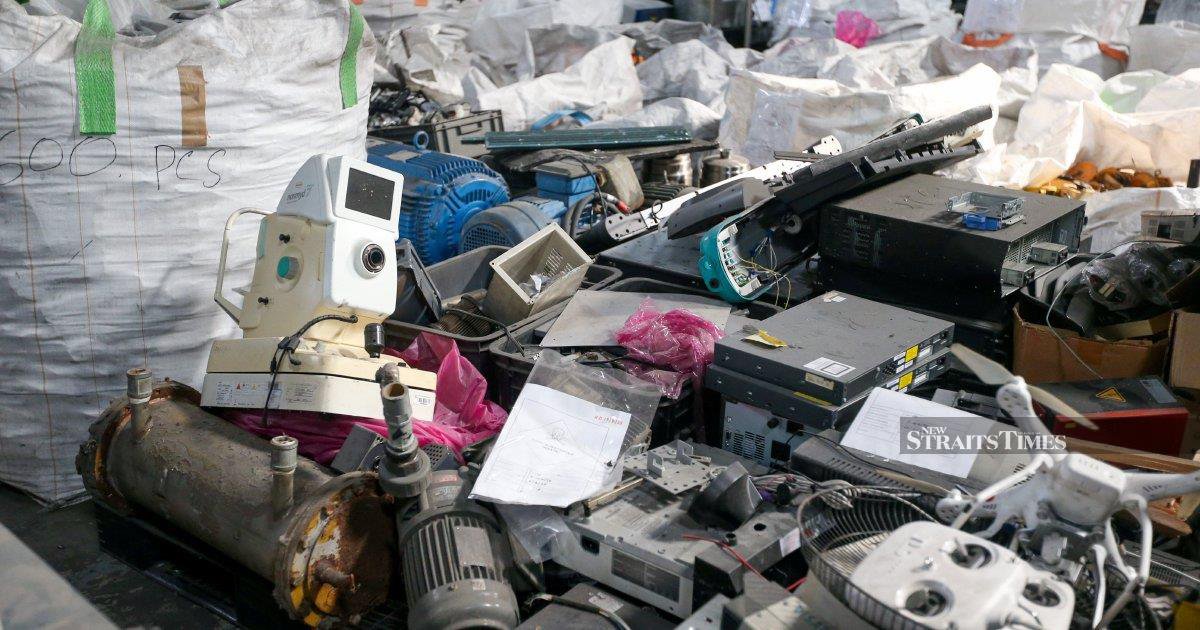
A major internal investigation has ensnared ten personnel from Malaysia's General Operations Force in connection with alleged extortion activities centred on an electronics waste processing operation in Tasek Gelugor, Penang. The arrests mark a significant development in a case that has raised fresh concerns about institutional accountability within the paramilitary force responsible for public order and counterinsurgency operations throughout the country.
The detentions represent an unusually large cohort of GOF officers implicated in a single criminal enterprise, suggesting the alleged extortion may have involved a coordinated scheme rather than isolated misconduct. Investigators are exploring the full scope of activities at the Penang facility and the precise nature of the threats or coercive methods employed against the e-waste factory operators. The industrial recycling sector, which processes discarded electronics and recovers valuable materials, has occasionally attracted unwanted attention from those seeking quick financial gains through illicit means.
E-waste management remains a critical environmental and industrial concern across Southeast Asia, with Malaysia positioned as a regional hub for electronics recycling. The Tasek Gelugor facility would typically handle the disassembly, sorting, and processing of obsolete computers, mobile phones, and other electronic devices recovered from both domestic consumption and regional supply chains. Such operations require proper licensing, environmental compliance oversight, and protection from predatory practices that undermine legitimate business activity.
The involvement of GOF personnel in alleged extortion strikes at questions of institutional discipline and command oversight within the paramilitary structure. The General Operations Force, established in 1948, draws on conscription and employment models and maintains significant responsibilities across various security and peacekeeping functions. Allegations of rogue officers engaged in protection rackets or extortion schemes reflect wider patterns of institutional vulnerability that require sustained attention from both internal affairs divisions and external accountability mechanisms.
Extortion targeting industrial facilities in Malaysia has emerged periodically across different sectors, from manufacturing to logistics operations. When such crimes involve uniformed officers, they compound the damage by eroding public confidence in security institutions and creating perverse incentives that distort fair competition and business practice. Factory owners and operators facing such threats often feel compelled to comply quietly rather than risk escalated confrontation, effectively creating hidden tax structures that funnel money to corrupt individuals rather than state revenue.
The Penang location carries particular significance given the state's substantial manufacturing and processing industries. As a major industrial hub and port centre, Penang hosts diverse operations that generate substantial waste streams requiring professional management. The alleged extortion of a facility serving this regional economy suggests patterns that may extend to other businesses operating in similar spaces. Investigators will likely examine whether the ten arrested officers acted in isolation or operated as part of broader networks extending to other locations or sectors.
From a regulatory perspective, the incident underscores gaps in institutional protection available to legitimate business operators seeking to report extortion without fear of retaliation or further complications. E-waste processors, already operating in a sector subject to intense environmental and safety scrutiny, require confidence that they can function without facing additional informal levies imposed through threat. The arrest of the GOF personnel provides an opportunity for broader institutional reforms addressing prevention mechanisms, whistleblower protections, and transparent complaint pathways.
The investigation's progression will depend on cooperation between the Royal Malaysia Police and internal GOF command structures, along with forensic examination of financial transactions, communications, and operational records. Determining the full extent of alleged extortion activity, the period over which it operated, and the amounts involved remains crucial for assessing both individual culpability and systemic failures. Witness interviews with factory management and staff will likely prove essential, alongside review of any documentation recording demands, communications, or payment arrangements.
This development arrives amid broader conversations across Malaysia regarding accountability standards within security and enforcement agencies. International observations on governance and institutional integrity frequently highlight the importance of mechanisms ensuring that uniformed services maintain professional standards and resist corruption. The arrest of ten officers signals at least procedurally that investigative and prosecution systems are functioning, though full confidence requires transparent proceedings and appropriate consequences.
For the e-waste recycling sector specifically, the case may influence industry confidence in reporting similar incidents and engaging with regulatory authorities. Operators processing valuable recovered materials face inherent risks from theft and unauthorised interference. When those risks originate from individuals positioned within security forces, they assume distinctly sinister dimensions. The resolution of this investigation will carry implications not merely for the individuals arrested but for the broader operating environment affecting environmental compliance and industrial investment across the region.

