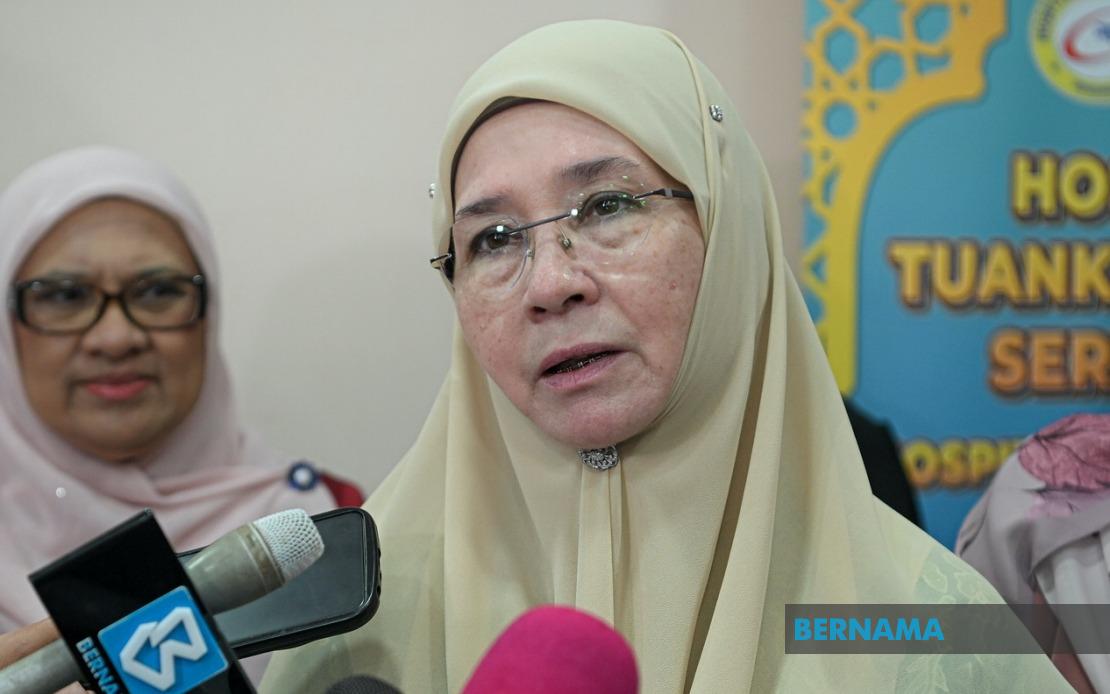
The Tengku Ampuan Pahang, Tunku Azizah Aminah Maimunah Iskandariah, has intervened in an escalating land dispute affecting the Orang Asli community of Kampung Sungai Cot in Maran by extending an offer of temporary housing on her personal property holdings in the region. The gesture reflects growing royal concern over the plight of indigenous families caught in the dispute and underscores the state's commitment to addressing indigenous welfare issues.
According to Major General Datuk Mohamed Zahari Yahya, Comptroller of the Royal Household for the Sultan of Pahang, the Tengku Ampuan has been monitoring the situation closely and recognises the substantial emotional and material distress experienced by the affected community members. Her intervention signals a shift toward practical solutions rather than purely symbolic acknowledgement of indigenous grievances, a pattern that carries implications for how royal households across Malaysia may respond to similar conflicts in future.
The Tengku Ampuan's scholarly work on Pahang's history and development has apparently deepened her understanding of the Orang Asli's historical and contemporary role within the state. Through her academic research, she has developed a nuanced appreciation for indigenous contributions to regional development and has consequently prioritised their welfare as a personal concern. This intellectual engagement with indigenous affairs stands in contrast to more distant or ceremonial approaches traditionally adopted by some members of the Malaysian aristocracy.
The specific offer permits Orang Asli families from Kampung Sungai Cot to resettle on land the Tengku Ampuan owns in Kuala Wau, also within Maran district. Critically, the offer includes a royal guarantee that future development of the land will not displace residents or marginalise the community. This assurance addresses a fundamental anxiety among indigenous populations nationwide: that temporary solutions often become permanent displacement when commercial or developmental interests emerge. By binding her word to specific protections, the Tengku Ampuan has attempted to forestall such outcomes.
The resettlement offer extends beyond the immediate conflict zone. Other Orang Asli families requiring housing or seeking new settlement areas may also access the Kuala Wau land, subject to royal approval and compliance with applicable legislation. This broader opening potentially affects dozens or hundreds of families and signals an understanding that land insecurity affects Orang Asli communities across Maran and potentially throughout Pahang. The universalisation of the offer reflects recognition that the Kampung Sungai Cot dispute is symptomatic of systemic vulnerability rather than an isolated incident.
The Tengku Ampuan has simultaneously called for dialogue-based resolution of the underlying dispute, urging all parties toward mutual understanding and balanced outcomes protecting legitimate interests on all sides. This appeals to reconciliation within existing frameworks rather than advocating for wholesale restitution or demanding particular legal outcomes. The language emphasises cooperation and respect rather than adjudication of competing claims, positioning the royal household as a neutral facilitator of consensus rather than as a partisan advocate for indigenous land rights.
Prime Minister Datuk Seri Anwar Ibrahim has indicated he will engage with the Pahang state government regarding the dispute, acknowledging that land administration operates under state purview in Malaysia's federal system. This positioning establishes a division of labour: the Prime Minister engages at the federal political level, whilst the Tengku Ampuan operates through direct material provision and personal advocacy. The arrangement potentially allows the federal government to defer certain decisions to state authorities whilst federal leadership simultaneously appears responsive to indigenous concerns through the PM's promised intervention.
The Kampung Sungai Cot dispute exemplifies tensions that pervade indigenous land questions throughout Malaysia and Southeast Asia broadly. Orang Asli communities frequently occupy lands whose formal ownership remains contested or unclear, rendering them vulnerable to displacement when third parties claim superior legal title. Development pressures, infrastructure projects, and agricultural expansion have historically prioritised non-indigenous economic interests over indigenous settlement patterns. The Tengku Ampuan's intervention does not resolve underlying structural vulnerabilities but rather provides temporary refuge whilst broader institutional questions remain unaddressed.
For Malaysian policymakers and civil society observers, the case illustrates the continued importance of royal influence in indigenous affairs. Whilst statutory protections for Orang Asli exist through legislation including the Aboriginal Peoples Act 1954, implementation remains inconsistent and enforcement often inadequate. Royal advocacy can mobilise resources and political will that legislative protections alone cannot generate. Yet reliance on individual royal initiatives also reveals systemic gaps: indigenous communities should not depend on personal compassion from members of the aristocracy for basic housing security and land tenure protection.
The offer additionally carries diplomatic implications within Malaysia's federal structure. Pahang as a state with substantial Orang Asli populations faces recurring tension between development imperatives and indigenous rights protection. Royal intervention at the state level potentially strengthens Pahang's position in handling such disputes without federal micromanagement. Simultaneously, it demonstrates how non-governmental actors—in this instance, the royal household—can supplement or substitute for inadequate state institutional responses to indigenous concerns.
Looking forward, the resolution of the Kampung Sungai Cot dispute will signal whether the Tengku Ampuan's intervention represents a genuine shift toward prioritising indigenous interests or constitutes a palliative measure that ultimately leaves structural problems unresolved. Should the families relocated to Kuala Wau achieve genuine security and integration into surrounding communities, the model might be replicated elsewhere. Conversely, if the resettlement becomes another temporary refuge preceding further displacement, the limits of individual royal advocacy in addressing systemic indigenous marginalisation will become apparent.
The case also raises questions about sustainability and scalability. The Tengku Ampuan's personal landholdings represent a finite resource; as additional Orang Asli communities seek resettlement assistance, reliance on aristocratic property ownership becomes increasingly impractical. Durable solutions require systematic reform of land administration procedures, clearer delineation of indigenous land rights within federal and state frameworks, and institutional mechanisms ensuring consistent protection regardless of individual royal initiatives. Until such reforms materialise, communities remain dependent on the variable commitment of particular leaders to their welfare.

