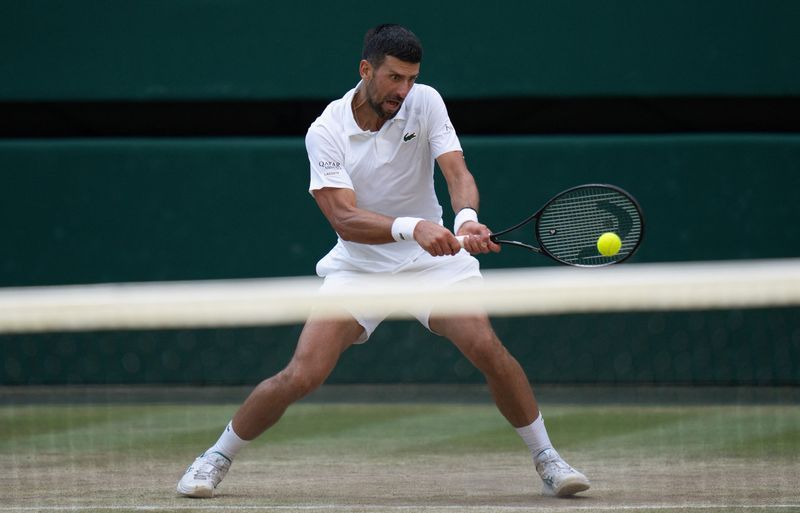
The Professional Tennis Players Association has intensified its push for comprehensive calendar reform following a wave of high-profile withdrawals from the Canadian Open, signalling deepening tensions between player welfare and commercial interests in professional tennis. The advocacy group characterised the Montreal tournament's depleted field as symptomatic of systemic pressures that are compromising athlete health, with world number one Jannik Sinner, 24-times Grand Slam champion Novak Djokovic, and Carlos Alcaraz all absent due to injury or fatigue-related concerns. The women's draw has been equally affected, missing defending champion Victoria Mboko, Wimbledon finalist Karolina Muchova, Emma Raducanu and Jasmine Paolini—a convergence of absences that underscores how the modern tennis schedule is testing the limits of human durability.
The PTPA's response moved beyond routine complaint when the organisation released comprehensive injury data accumulated over eight years of monitoring professional matches across all competitive levels. Working with medical director Dr. Robby Sikka through a project initiated three years ago, the players' body has constructed a granular picture of how structural changes to the calendar correlate with injury patterns. The numbers reveal a troubling trajectory: upper-body injuries surged 42 percent in the opening quarter of 2024 compared with the same period in 2025, while arm injuries specifically increased by 112 percent relative to the 2025 annual average. These statistics transform what might otherwise be dismissed as occasional tournament withdrawals into documented evidence of accelerating physiological stress.
The PTPA's concerns crystallised around a specific reform implemented by the ATP Tour, which expanded seven of its nine Masters 1000 tournaments to 12-day formats beginning with the 2025 season under its OneVision strategic initiative. Rather than creating more leisure time for players, the extended tournament duration actually compresses the gaps available for recovery, training, and travel between successive events. Tournament organisers had previously acknowledged that late withdrawals from Masters 1000 tournaments have become endemic, suggesting the scheduling architecture itself generates pressure that forces players into difficult choices between competing commitments or risking participation in crucial ranking events while injured or fatigued.
For Malaysian and regional tennis fans, this structural crisis has immediate ramifications. The calendar bloat reduces the likelihood of marquee players competing at full fitness during tournaments throughout Southeast Asia, including regional qualifiers and exhibition events. Beyond spectacle, the issue reflects broader questions about how commercial expansion in tennis prioritises television contracts, sponsorship windows, and prize money distribution over the capacity of human bodies to adapt to increasingly demanding schedules. The PTPA's intervention represents one of few moments when athlete voices demand visibility in shaping the commercial framework that governs their careers.
The association's statement directly challenged the premise that player autonomy adequately protects athlete welfare. While the ATP has previously maintained that players retain meaningful choice over which tournaments to enter, the PTPA counters that mandatory commitment requirements create artificial constraints that force competitors into participation patterns they would otherwise avoid. When elite players face ranking penalties or financial consequences for selective scheduling, the notion of genuine choice becomes illusory. This distinction matters because it reframes the problem from individual decision-making to systemic design—a distinction that demands governance-level responses rather than merely individual accommodation.
Fatigue and injury dynamics have shifted qualitatively under the expanded calendar. The PTPA emphasises that injuries are not merely occurring more frequently but also manifesting earlier in seasons and carrying greater severity. This progression suggests that accumulated stress from compressed schedules reduces tissue resilience and recovery capacity, making injuries more likely to occur and more difficult to address without extended rest. The spike in arm and upper-body injuries particularly reflects the cumulative strain of repeated high-velocity serving and groundstroke patterns, indicating that tennis-specific demand patterns interact negatively with insufficient recovery windows.
The PTPA's proposed remedies focus on three interconnected reforms: restructuring the calendar through data-driven methodology, meaningfully incorporating player voices in schedule construction, and reducing mandatory tournament commitments to facilitate adequate recovery periods. Significantly, the association specifically urged the ATP to reverse the 12-day Masters 1000 format—a recommendation that directly challenges the commercial logic that justified the expansion. This framing moves beyond asking for marginal adjustments, instead questioning whether the fundamental architecture of the modern schedule remains compatible with athlete health.
The ATP's previous responses have emphasised player autonomy and incentive-based scheduling rather than mandatory restrictions. This philosophical disagreement reflects competing visions of governance: the tour operator prefers market mechanisms and individual choice, while the players' body argues that systemic constraints render choice inadequate. Neither position is without merit, yet the injury data shifts the burden of proof onto those defending the current system, compelling them to demonstrate why documented increases in upper-body and arm injuries represent an acceptable trade-off for expanded tournament formats.
Regional implications extend beyond immediate fixture availability. Southeast Asian development pathways for emerging tennis talent would benefit from a more sustainable calendar that reduces injury risks during critical career-building phases. Young players attempting to balance development schedules with calendar demands face particular vulnerability to chronic injuries that could prematurely truncate promising careers. Investment in regional tennis infrastructure only yields returns if the international calendar structures allow developing players to progress without encountering the physiological barriers that excessive schedule density creates.
The unwillingness of ATP and WTA tour spokespeople to respond immediately to inquiries about the PTPA's allegations suggests either strategic silence or organisational uncertainty about how to defend their scheduling choices against quantified injury data. This communication gap creates political space for player advocacy to gain momentum among fans, broadcasters, and sponsors increasingly concerned about fixture quality being compromised by widespread withdrawals. Tournament organisers face pressure from television networks and commercial partners, yet viewers also prefer watching elite athletes at full capability rather than observing injury-diminished competition.
Moving forward, the PTPA's intervention signals that professional tennis faces a genuinely significant governance challenge that neither side can avoid through procedural gestures or rhetorical positioning. The injury data provides an empirical foundation for renegotiation, transforming what might otherwise be characterised as player entitlement into a documented occupational health concern. Whether the ATP and WTA Tours respond by genuinely restructuring the calendar, implementing more restrictive mandatory participation rules, or maintaining their current trajectory will reveal which stakeholders ultimately control tennis's governance architecture and whose interests that architecture prioritises.

