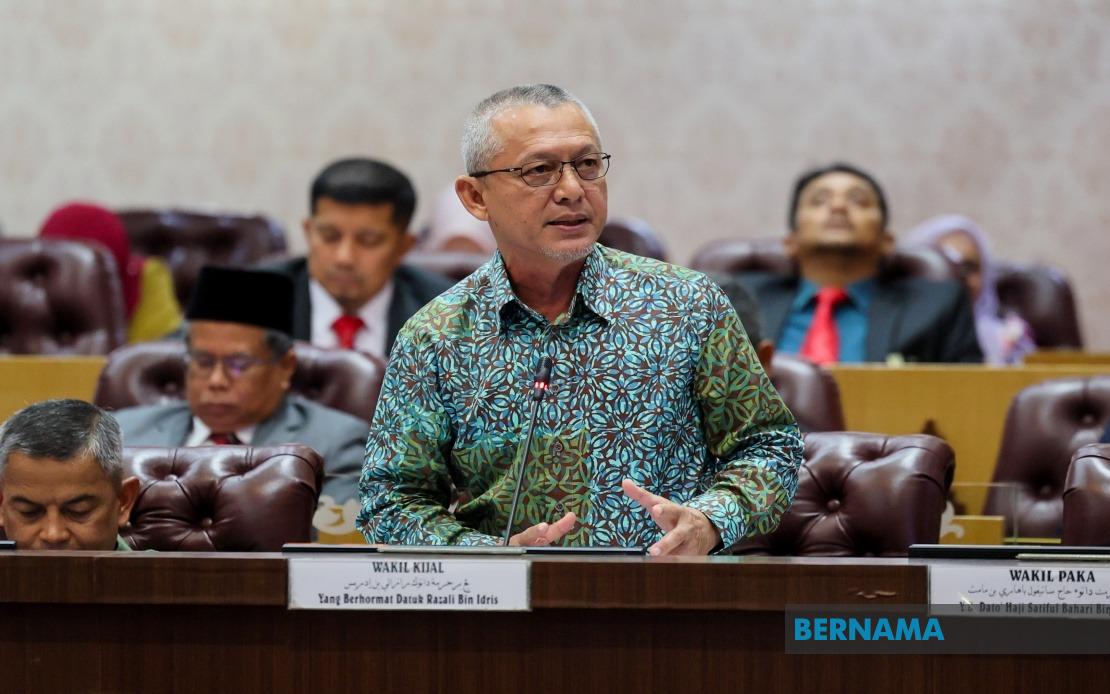
The Terengganu state government is channelling RM3.78 million into development initiatives at Kenyir Geopark in Hulu Terengganu, signalling its commitment to elevating the site from a national to international conservation and tourism asset. The investment, spanning 2024 to the current year, represents a strategic push to cement Kenyir's standing as a premier geoheritage destination while meeting the rigorous standards required for designation as a UNESCO Global Geopark, a distinction that would position the park alongside globally recognised geological and ecological sites.
Datak Razali Idris, chairman of Terengganu's Tourism, Culture, Environment and Climate Change Committee, outlined the scope of the allocation during a state legislative assembly session, explaining that funding flows through the Hulu Terengganu District Office to support a comprehensive range of conservation and development activities. The multifaceted approach reflects international best practices in geopark management, balancing preservation with sustainable tourism growth and community engagement.
The financial commitment encompasses five core pillars that shape the park's trajectory. Geoheritage conservation efforts focus on protecting the scientific and educational value of the site's distinctive geological formations. Simultaneously, the state is developing marketable geotourism products designed to attract visitors while minimising environmental impact. Infrastructure development ensures that facilities meet international standards, whilst public awareness campaigns and educational programmes position Kenyir as a knowledge hub. Perhaps most significantly, capacity-building initiatives empower local communities to become stewards and beneficiaries of geopark development, creating sustainable livelihoods tied to conservation outcomes.
The 244,900-hectare Kenyir Geopark encompasses extraordinary geological and biological richness that justifies its protected status. The park currently features 15 distinct geosites—locations of particular geological significance—alongside 10 biosites representing unique ecological zones, 11 cultural heritage sites reflecting human settlement and traditions, and one geo-archaeological site bridging geological and cultural narratives. This layered approach to heritage protection recognises that geoparks are not merely repositories of rocks and minerals but living landscapes where human history and natural processes intertwine.
Conservation priorities underscore the government's determination to preserve irreplaceable assets for future generations. Notable protected formations include Gua Bewah and Gua Taat, limestone caves of significant scientific interest, along with Batu Bersurat, an inscribed rock formation carrying historical and cultural weight. These sites embody millions of years of geological history and represent physical records of Terengganu's heritage that cannot be replicated elsewhere. By safeguarding them now, the state ensures that researchers, students, and tourists can access authentic scientific and cultural knowledge.
Visitor numbers provide a tangible measure of Kenyir's growing appeal and economic potential. Arrivals surged dramatically from 218,157 in 2023 to 454,765 in 2024, representing an impressive 108.5 per cent year-on-year increase. This explosive growth reflects heightened awareness of the geopark and changing travel patterns within Malaysia and the region, where eco-tourism and educational tourism are gaining traction among travellers seeking authentic experiences beyond conventional resort destinations. The surge also signals market readiness for expanded facilities and interpretation services, justifying the state's infrastructure investment.
The trajectory towards UNESCO Global Geopark status represents more than symbolic recognition. UNESCO designation brings international prestige, facilitates knowledge-sharing networks with other geoparks worldwide, and enhances marketing reach among global tourism circuits. For Terengganu, a state with substantial tourism potential, such status could differentiate Kenyir from competing attractions across Southeast Asia and unlock access to international funding and technical expertise for park management and research initiatives.
The geopark model itself reflects evolving thinking about conservation and development. Unlike traditional protected areas that often restrict human activity, geoparks embrace managed economic activity as a means to fund conservation while creating incentives for local stakeholders to maintain ecological and geological integrity. This philosophy resonates with Malaysia's commitment to sustainable development and aligns with regional efforts to balance environmental protection with economic advancement in an increasingly climate-conscious era.
For Malaysian policymakers and regional observers, Kenyir demonstrates how state-level investment in heritage tourism can generate returns while advancing conservation objectives. The 108.5 per cent visitor growth suggests that demand for this category of tourism remains robust, offering opportunities for other states with significant geological or ecological assets to pursue similar development pathways. Terengganu's experience provides a replicable model for translating natural heritage into economic value whilst maintaining scientific and educational integrity.
The state government's strategic measures extend beyond funding to encompass governance and management frameworks designed to ensure long-term sustainability. By partnering with international bodies and adopting geopark standards, Terengganu positions itself within a global community of practice dedicated to geological heritage protection. This institutional approach transcends project-specific funding cycles, embedding conservation principles into the geopark's operational DNA.
Looking ahead, the success of Kenyir Geopark hinges on sustained investment and commitment from both public authorities and community stakeholders. The RM3.78 million allocation provides necessary resources, but securing UNESCO recognition and maintaining visitor satisfaction will require continuous improvement of facilities, interpretation, and experiential offerings. For Malaysia and Southeast Asia, Kenyir's development journey offers instructive lessons about turning geological distinction into conservation achievement and economic opportunity.

