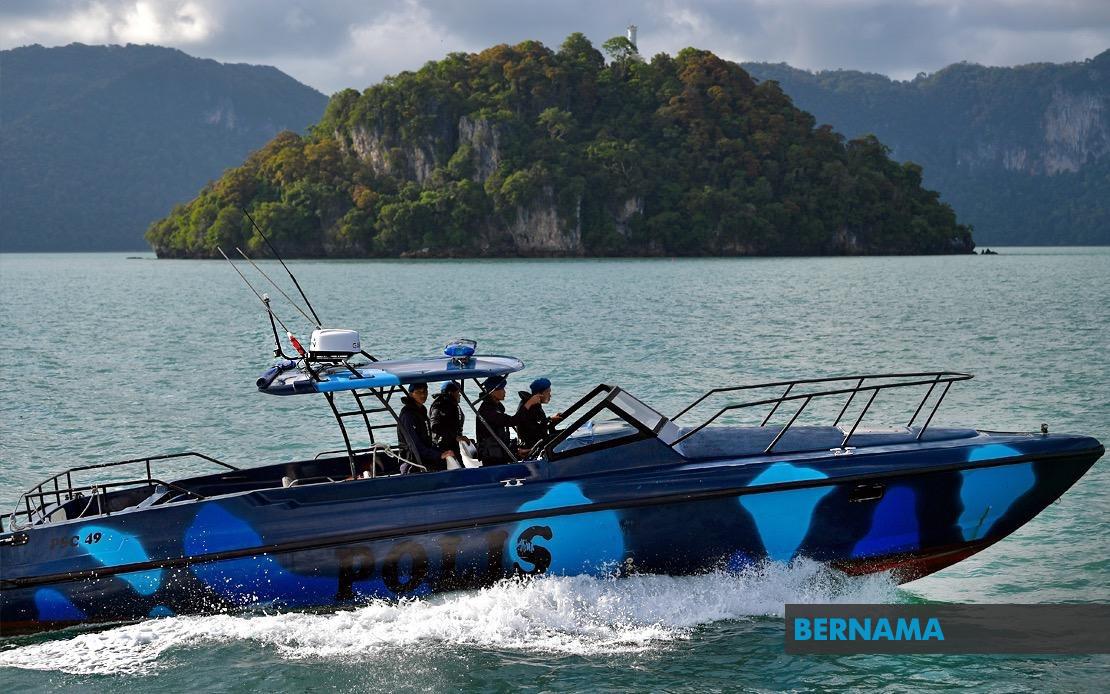
Terengganu's state government is preparing a comprehensive engagement session to tackle deteriorating conditions at Pulau Redang, one of Malaysia's most significant marine tourism destinations. The three-day summit, scheduled for August 26-28, will bring together tourism industry stakeholders and government enforcement bodies to dissect the emerging crisis surrounding coral reef damage in the protected marine park. Datuk Razali Idris, chairman of the Terengganu Tourism, Culture, Environment and Climate Change Committee, underscored the urgency of addressing reports suggesting that day-trip vessel operators have been disregarding maritime regulations by anchoring in restricted zones.
The convergence of commercial pressures and environmental degradation at Pulau Redang reflects a broader challenge facing Southeast Asia's tourism-dependent marine ecosystems. The island, long promoted as a premium diving and beach resort destination, has witnessed intensifying foot traffic from budget tour operators seeking to maximise returns through high-volume day-trip services. These activities, when conducted without proper oversight, can inflict irreversible damage on fragile coral structures that take decades—sometimes centuries—to recover from anthropogenic harm. Razali's framing of the upcoming discussions suggests that the state recognises the tension between short-term revenue generation and long-term environmental sustainability that defines modern tropical tourism management.
The engagement session represents more than a conventional stakeholder forum. According to Razali, the three-day event will function as a diagnostic mechanism to isolate root causes while simultaneously examining institutional failures within the existing enforcement apparatus. By scrutinising weaknesses in how current regulations are monitored and enforced, the state government implicitly acknowledges that legislation alone has proven insufficient. This diagnostic approach is particularly relevant for Malaysian policymakers, as it mirrors challenges confronting other marine protected areas throughout the Coral Triangle region, where tourism demand frequently outpaces management capacity.
One of the most contentious elements under examination will be the permitting framework for day-trip operations. Razali indicated that the state is contemplating whether current licensing procedures adequately screen operators for environmental compliance, or whether renewal processes have become merely administrative formalities. Additionally, the government is weighing whether existing penalty structures sufficiently deter violations. In many Southeast Asian jurisdictions, fines for environmental infractions have remained static for years, eroding their deterrent value as tourism revenue streams expand. Terengganu's willingness to reconsider both permit conditions and financial penalties suggests recognition that incremental adjustments may be necessary to align financial incentives with conservation objectives.
The committee chairman's rhetoric emphasised an uncompromising stance toward violators, stating that the government would not tolerate operators who prioritise profit over environmental stewardship. This declarative position carries particular significance given Malaysia's complex relationship between commercial interests and regulatory enforcement in the tourism sector. Historically, political pressure from industry associations has occasionally diluted the implementation of conservation measures, particularly when enforcement threatened operator profitability. Razali's public commitment to stringent action, therefore, represents a potential watershed moment if translated into consistent administrative practice.
The invocation of Pulau Redang as a "state treasure" reframes the reef damage issue beyond technical environmental management into the realm of cultural and economic patrimony. This rhetorical strategy acknowledges that the island's value transcends immediate tourism revenue, extending to ecological integrity and the long-term viability of the destination itself. Malaysian readers familiar with resort destinations throughout the peninsula will recognise this framing as addressing a persistent dilemma: whether short-term returns from unregulated operators justify the degradation that eventually renders destinations commercially unviable. Pulau Redang's experience serves as a cautionary case study for other marine reserves facing similar pressures, particularly those in Sabah, Sarawak, and the east coast peninsula.
The participation of non-governmental organisations alongside government agencies and commercial operators introduces a critical oversight dimension to the summit. NGOs working on marine conservation bring technical expertise, community credibility, and independence from political considerations that can sometimes compromise state agency enforcement. Their inclusion signals that Terengganu recognises conservation challenges require multi-sectoral coordination rather than top-down regulatory imposition. For regional observers, this collaborative model—when genuine rather than performative—offers potential templates for other marine management crises throughout Southeast Asia.
The coral reefs at Pulau Redang represent tens of thousands of years of biological accumulation, housing biodiversity that supports fisheries extending far beyond the island itself. Damage inflicted by careless anchoring practices cannot be reversed through administrative action alone; remediation requires sustained biological recovery periods during which human pressure must be substantially reduced. This temporal dimension elevates the urgency of the August summit beyond conventional policy discussion. Every season of unabated damage represents biological losses that conservation efforts may require decades to restore, if recovery is possible at all.
For Malaysia's tourism industry broadly, the Pulau Redang situation crystallises a strategic choice about the trajectory of marine destination management. The country competes with Indonesia, Thailand, and the Philippines for international diving tourism revenue, a competition increasingly decided by environmental quality rather than price alone. Destinations that successfully balance conservation with access command premium positioning in the global market. Conversely, those that allow degradation in pursuit of volume often experience rapid decline as reputational damage drives international tourists toward rival destinations. Terengganu's engagement session thus carries implications extending beyond immediate enforcement questions to encompass the state's competitive positioning in regional tourism markets.
The outcomes of the August 26-28 summit will ultimately be judged not by attendance or rhetoric, but by implementation. Strengthened permit conditions prove meaningful only when backed by credible inspection protocols. Enhanced penalties deter violations only when consistently imposed. The committee's willingness to examine enforcement weaknesses suggests recognition that systematic gaps exist between regulatory intent and operational reality—a common challenge in Malaysian environmental administration. Subsequent months will reveal whether Terengganu's summit catalyses meaningful operational change or remains a symbolic exercise in stakeholder engagement.

