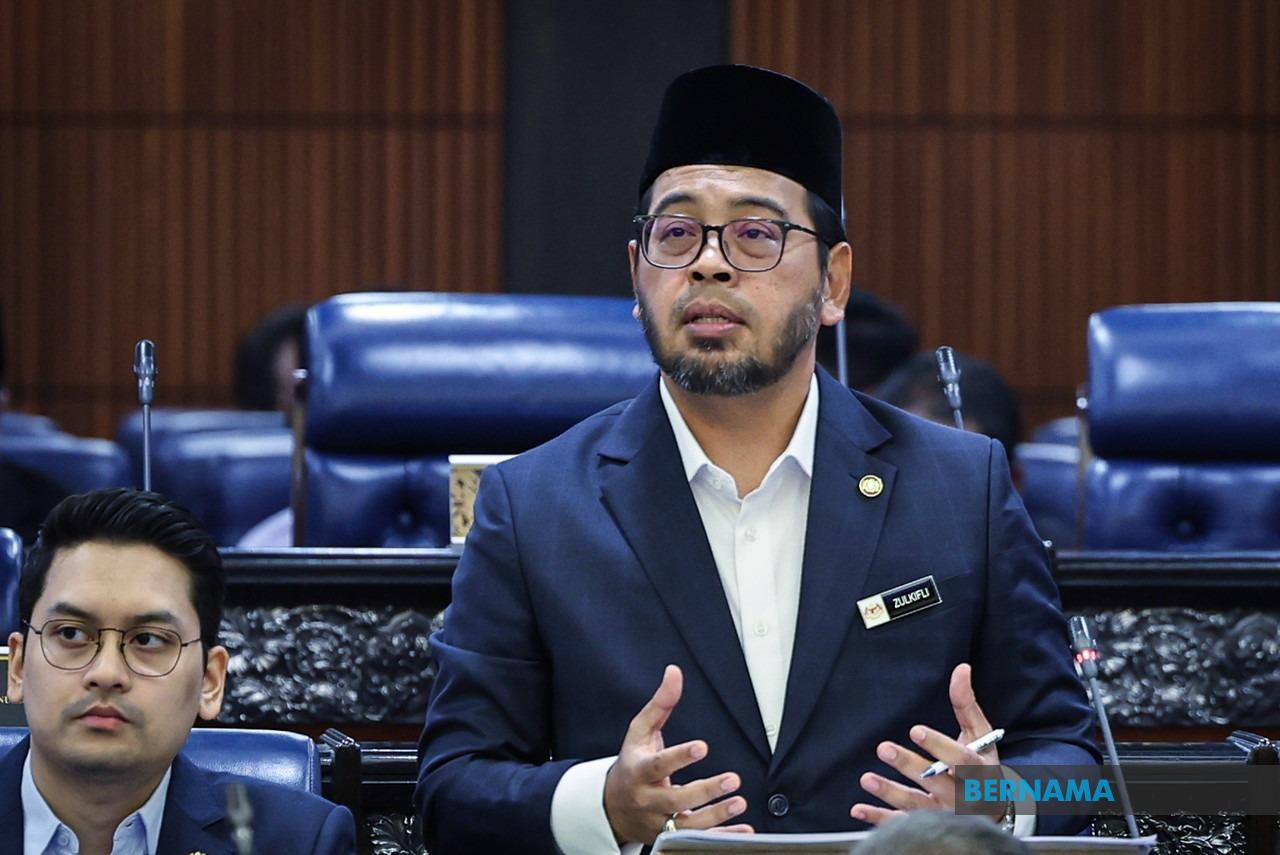
The Malaysian government has committed to strengthening oversight of Tabung Haji through legislative amendments that will establish more precise rules for financial reporting and accountability. Minister in the Prime Minister's Department (Religious Affairs) Dr Zulkifli Hasan outlined the planned reforms during a special parliamentary sitting, confirming that revised provisions in the Tabung Haji Act 1995 will include mandated accounting standards and penalties for financial misstatement. These measures directly respond to concerns raised by the Royal Commission of Inquiry, which conducted a comprehensive examination of TH's management and operations spanning 2014 to 2020.
The Royal Commission identified systemic weaknesses in how the institution handled its considerable assets and managed the interests of millions of Malaysian pilgrims who entrust their savings to TH. Its findings prompted the government to establish a dedicated task force tasked with translating the RCI's recommendations into concrete institutional reforms. Chaired by the TH chairman and comprising representatives from Bank Negara Malaysia and the Securities Commission, this body has been methodically reviewing each recommendation to determine the most effective implementation approach. This multi-agency coordination reflects recognition that TH's dual role—managing hajj logistics while operating as an investment fund—requires sophisticated regulatory frameworks spanning religious affairs, financial conduct, and investment supervision.
A particularly significant outcome of the task force's deliberations concerns the regulatory structure for TH's investment activities. The agreed recommendation proposes that the Securities Commission assume supervisory responsibility for TH's fund management and investment operations, while day-to-day hajj administration would remain under the Religious Affairs Ministry. This division of oversight aims to address a longstanding tension in TH's governance: the institution must balance its primary mission of facilitating pilgrimage with substantial financial obligations to members who regard their TH savings as dedicated religious endowments. By separating investment regulation from religious affairs administration, the reform seeks to ensure that market-based asset management decisions receive appropriate scrutiny from financial regulators while preserving the institutional integrity of TH itself.
The amendments will also address the compensation structure that the RCI identified as problematic. Tabung Haji historically awarded executive bonuses that exceeded industry norms, creating reputational damage and questions about fiduciary responsibility. The institution has now adopted a revised bonus framework calibrated to overall financial performance and achievement of specific institutional key performance indicators, with payments requiring approval from both the Religious Affairs and Finance Ministers. This dual-approval mechanism introduces political accountability for executive compensation, signalling to the 8.3 million TH members that their interests receive ministerial-level attention.
Financial transparency has been substantially enhanced through TH's implementation of recommendations regarding profit distribution announcements. Since 2022, the fund has disclosed profit distribution rates exclusively on the basis of audited annual financial statements, eliminating the previous practice of distributing returns before final accounts were confirmed. This shift aligns TH's disclosure practices with international standards and provides members with greater confidence in the reliability of reported returns. Zulkifli noted that TH's financial statements have fully complied with applicable accounting standards since 2018, indicating that the institution has already begun voluntarily upgrading its practices ahead of formal legislative requirements.
Governance reform represents another pillar of the proposed amendments. The RCI recommended comprehensive revision of board appointment procedures, including specified eligibility criteria and expertise-based selection mechanisms designed to ensure directors possess relevant competencies. The commission also proposed prohibiting active politicians from serving as TH chairman or board members, a recommendation reflecting concerns that political patronage had previously influenced institutional leadership. Zulkifli framed this reform as an opportunity to tap Malaysia's substantial pool of capable technocrats and experienced professionals who could provide sophisticated stewardship of TH's operations and assets. The government has begun implementing enhanced "fit and proper" vetting aligned with Bank Negara's established standards for financial sector leadership.
The RCI's 211-page report, publicly released on July 29 following a government decision to disclose its findings, provided detailed analysis of TH's institutional vulnerabilities. Its publication marked a significant departure from previous governmental reluctance to scrutinise TH's management in open forums, reflecting broader recognition that the institution's systemic importance to Muslim Malaysian savers warranted transparent accountability. The special parliamentary sitting allowed members to debate the RCI's conclusions and government responses, creating an opportunity for legislators to interrogate the adequacy of proposed reforms and raise constituent concerns.
For Malaysian pilgrims and TH members, these reforms carry immediate practical significance. The enhanced financial reporting standards will provide greater visibility into how their contributions are invested and managed, addressing historical frustrations about opacity in TH's investment decisions and return calculations. The separation of investment oversight from Religious Affairs administration should reduce conflicts of interest and ensure that fund management decisions receive scrutiny from regulators specifically trained in capital markets oversight. The reformed bonus framework and profit distribution transparency represent tangible demonstrations that management accountability has tightened, potentially restoring confidence among members who experienced anxiety during the period covered by the RCI investigation.
The broader Southeast Asian context is also relevant. TH operates as the world's largest Islamic pilgrimage savings institution by membership, and its governance practices influence regional standards for Islamic financial institutions managing similar mandates. Reform of TH's oversight frameworks may establish benchmarks for how other Muslim-majority nations balance religious mission with fiduciary responsibility in managing pilgrim savings. The integration of Securities Commission oversight into TH's investment framework demonstrates how financial regulators and religious authorities can collaborate effectively rather than operate in parallel jurisdictions.
Implementation timing remains a critical consideration. While the task force has reached consensus on core recommendations, translating these into amended legislation requires parliamentary approval and detailed regulatory guidance from the Bank Negara Malaysia and Securities Commission. The Finance Minister II, Datuk Seri Amir Hamzah Azizan, is scheduled to conclude parliamentary debate alongside Zulkifli, signalling that fiscal and religious affairs authorities are coordinating closely on implementation strategy. The government has not announced a specific timeline for introducing the amended TH Act, though the parliamentary debate suggests legislative action may occur within the current parliamentary session.
Zulkifli's assertion that TH is "now in a very strong position" across hajj management, investments, and finances reflects confidence that ongoing and proposed reforms have substantially addressed the institutional weaknesses identified by the RCI. However, the detailed legislative amendments still required underscore that governance transformation remains an evolving process rather than a completed objective. The task force's continued operations and the upcoming amendments themselves represent acknowledgment that institutional safeguards and regulatory frameworks require continuous refinement to protect the interests of millions of Malaysian pilgrims who depend on TH's stewardship of their sacred savings.

