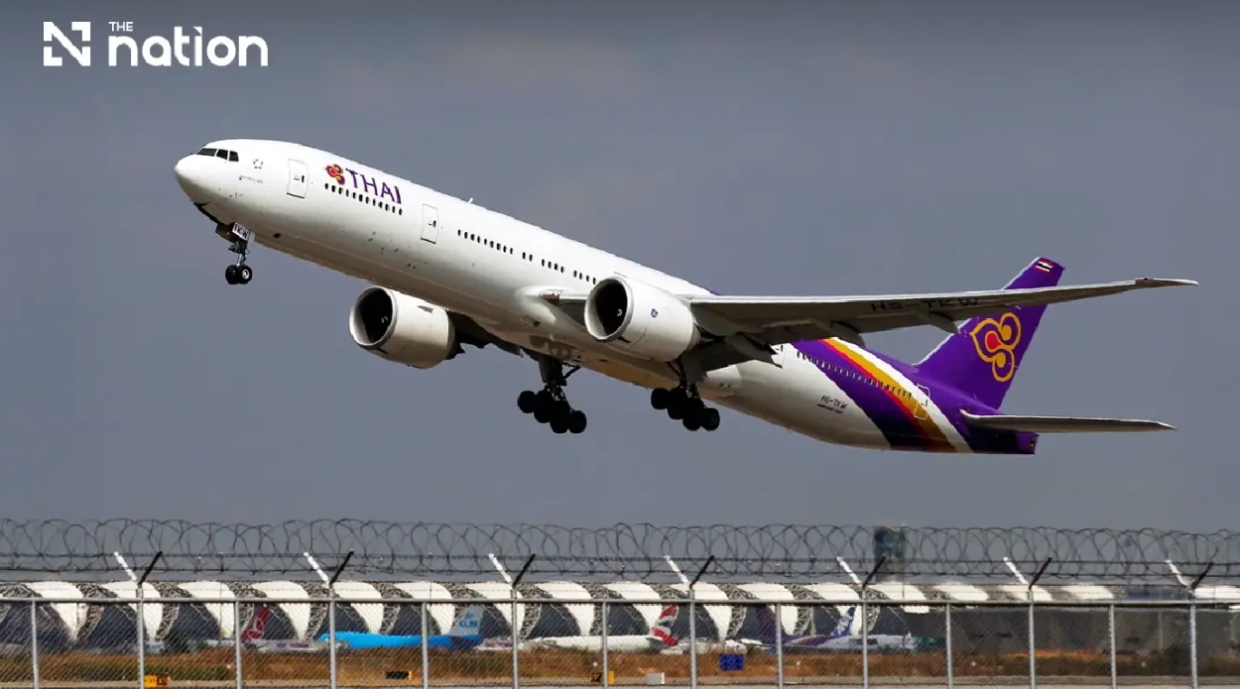
Thai Airways International has moved swiftly to distance itself from allegations involving one of its cabin crew members, with chief executive Chai Eamsiri publicly pledging the airline's unreserved cooperation with Australian law enforcement and promising non-interference in the legal process. The statement comes following the arrest of a 26-year-old Thai female flight attendant at Melbourne Airport on June 25, who was allegedly found carrying heroin with an estimated street value of A$500,000 or approximately 11.5 million baht.
The cabin crew member, who was on duty aboard flight TG465 from Bangkok to Melbourne, now faces serious charges under Australian federal law. The Australian Federal Police and Australian Border Force have charged her with importing a marketable quantity of a border-controlled drug and possessing a marketable quantity of a border-controlled drug—offences that each carry maximum sentences of 25 years' imprisonment. Following her remand in custody on June 26, she is scheduled to make a further appearance before Melbourne Magistrates' Court on September 14.
Thai Airways has implemented immediate disciplinary measures, suspending the crew member from duty and establishing a fact-finding and disciplinary panel to investigate the circumstances surrounding the incident under company procedures. Chai indicated that the airline's internal inquiry should conclude within seven days, with the possibility of an even faster resolution. The outcome appears predetermined in corporate terms: if the investigation substantiates wrongdoing, the airline will pursue its maximum disciplinary sanction of dismissal.
The incident represents a significant reputational challenge for the carrier, which maintains a workforce of more than 4,000 cabin crew members and over 1,000 pilots. Chai acknowledged the serious damage to the airline's image and reputation, whilst attempting to mitigate potential broader consequences by suggesting that international authorities would likely assess individual cases on their merits rather than imposing blanket scrutiny on all Thai crew members or nationals. Nevertheless, the case threatens to complicate travel procedures for Thai airline personnel and citizens transiting through Australian borders.
In response to the incident, Chai has directed relevant departments to strengthen supervisory mechanisms, acknowledging that whilst Thai Airways maintains strict rules and procedures for all operational staff—including mandatory pre-flight briefings on regulations, prohibited items, and legal requirements—implementing consistent compliance across such a large workforce presents inherent challenges. The airline's leadership has implicitly conceded that individual misconduct can occur despite institutional safeguards.
Thai aviation regulators have also commenced their own investigation. The Civil Aviation Authority of Thailand (CAAT) has contacted the airport operator and the airline to establish facts and review existing procedures. CAAT confirmed that passenger and baggage screening at Thai airports complies with its own requirements and aligns with International Civil Aviation Organization (ICAO) standards. The regulator emphasised that aviation security screening prioritises preventing dangerous items from boarding aircraft, whereas narcotics enforcement falls within the remit of specialised law-enforcement agencies operating through domestic and international cooperation frameworks.
CAAt indicated it is monitoring Thai Airways' preliminary investigation and indicated that should misconduct be confirmed, the regulator may take action related to the crew member's aviation credentials. Such action would serve the dual purpose of protecting aviation safety standards whilst preserving confidence in Thailand's civil aviation system—an important consideration given that Thailand's aviation sector is crucial to regional travel and commerce, and any reputational damage could have broader implications for the country's aviation reputation.
For Malaysian and Southeast Asian observers, the case highlights the vulnerability of commercial aviation to individual misconduct and the complex jurisdictional issues that arise when violations occur during international flights. The incident also underscores the tension between security protocols and enforcement mechanisms: whilst airport screening procedures are designed to detect dangerous items threatening aircraft safety, preventing narcotics smuggling requires additional law-enforcement vigilance and international coordination.
The swift response from Thai Airways and Thai authorities demonstrates recognition that reputation management and regulatory compliance are critical in aviation. However, the case raises broader questions about the effectiveness of staff vetting procedures, the adequacy of supervision during flight operations, and whether existing security protocols can reliably detect contraband that does not pose an immediate aviation safety risk. For regional carriers and aviation authorities, including Malaysia's, the incident serves as a cautionary reminder of the importance of maintaining robust integrity standards within airline workforces and of the potentially severe consequences—both legal and reputational—when those standards are breached.

