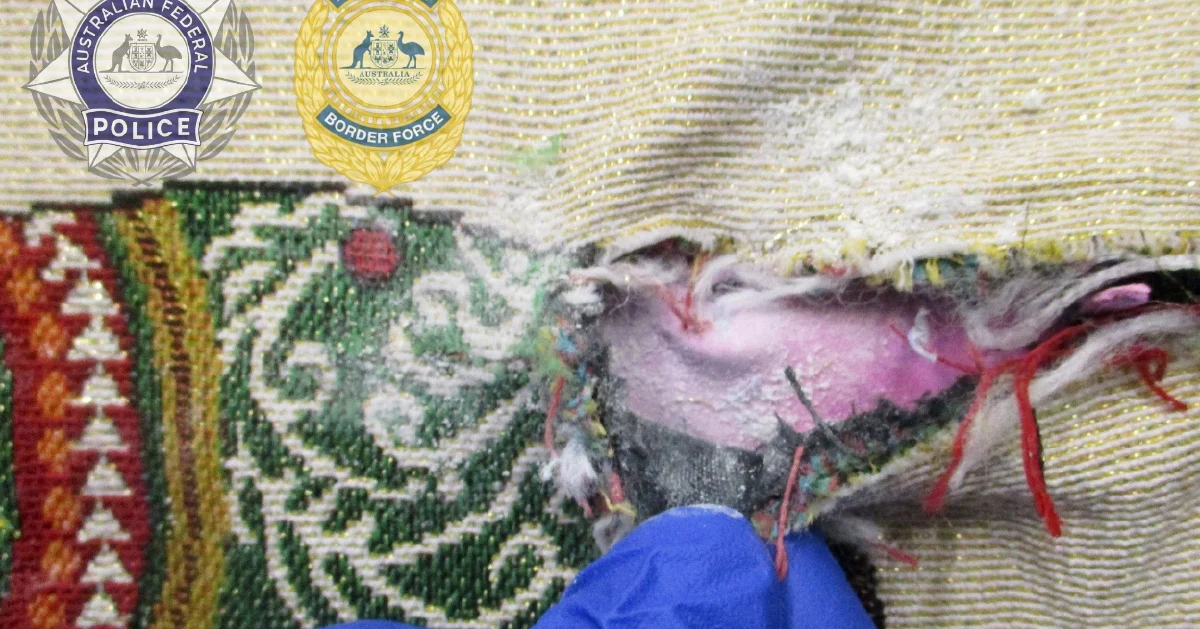
An employee of Thai Airways has been charged by Australian Federal Police following the discovery of heroin concealed within tote bags at an Australian port of entry. The quantity involved exceeded one kilogram, marking a significant narcotics seizure that underscores the persistent challenges authorities face in combating drug trafficking through international aviation routes and cargo channels.
The arrest represents another example of how criminal networks attempt to exploit transportation workers and supply chains to move illicit substances across borders. By targeting airline personnel, traffickers rely on the assumption that crew members may face less rigorous screening than ordinary passengers or may have access to expedited processing procedures. This incident demonstrates that such assumptions are increasingly proving incorrect as customs and border protection agencies strengthen their detection capabilities.
Australia has become a focal point for international drug trafficking operations in recent years, with multiple criminal organisations targeting the country due to its geographic isolation and the perceived wealth of its population. The nation's position in the Asia-Pacific region makes it an attractive destination for heroin shipments originating from Southeast Asian production zones, particularly those linked to operations in the Golden Triangle region spanning Myanmar, Laos, and Thailand.
The discovery of drugs concealed in seemingly innocuous items like tote bags reflects the evolving sophistication of smuggling techniques. Rather than attempting to move narcotics through obvious smuggling methods, traffickers increasingly rely on hiding substances within everyday luggage and personal items, betting that the sheer volume of international travel will allow some shipments to slip through undetected. The success of this interception suggests that Australian customs officials are adapting their screening protocols to counter such tactics.
Thailand's position as a transit hub for regional drug trafficking has long been a concern for law enforcement across Southeast Asia and beyond. While the Kingdom remains primarily a trafficking conduit rather than a major consumption market, its geography, transportation infrastructure, and porous borders with major opium-producing nations make it vulnerable to exploitation by drug syndicates. The involvement of Thai Airways personnel in this case highlights how criminal organisations penetrate legitimate commercial operations.
The implications of this arrest extend beyond the individual case. Airlines operating in the Asia-Pacific region face increasing pressure to implement stricter security protocols for their personnel, particularly for crew members with international access. Thai Airways will likely face additional scrutiny from Australian authorities and may need to enhance its own internal vetting and compliance procedures to prevent similar incidents in the future.
For Malaysia and other Southeast Asian nations, this case serves as a reminder of the transnational nature of drug trafficking challenges. The region remains a critical battleground in the global war on narcotics, with trafficking routes passing through multiple countries before reaching final destinations in developed markets. Enhanced cooperation between regional customs agencies and intelligence services remains essential to intercepting these shipments.
The arrest also reflects the effectiveness of Australian Federal Police in coordinating with customs officials to investigate and apprehend suspects involved in major drug importation schemes. Australia's comprehensive border security framework, combining x-ray screening, physical inspections, and intelligence-led targeting, continues to intercept significant quantities of narcotics before they reach street-level distribution networks.
The severity of the charges the Thai Airways employee faces underscores how seriously Australian authorities treat drug trafficking offences. Importation of heroin in quantities exceeding one kilogram typically results in substantial prison sentences, with sentences regularly reaching double digits. This legal severity is intended to deter would-be smugglers from accepting lucrative offers from criminal organisations.
The incident also raises questions about the effectiveness of recruitment tactics used by drug trafficking networks targeting airline employees. As stricter airport security measures have been implemented globally, criminals have increasingly focused on enlisting staff members who can move through restricted areas with relative ease. Counteracting this trend requires not only stronger screening of aviation personnel but also awareness campaigns highlighting the severe legal consequences of participating in drug trafficking schemes.
For Malaysian authorities and those throughout Southeast Asia, continued vigilance regarding the exploitation of transportation workers remains crucial. Cooperation with international partners, information sharing regarding trafficking trends, and enhanced border screening capabilities will be essential as criminal networks continue to adapt their methods. This Australian case, while occurring at a distant border, carries direct relevance for regional security policy and enforcement priorities.

