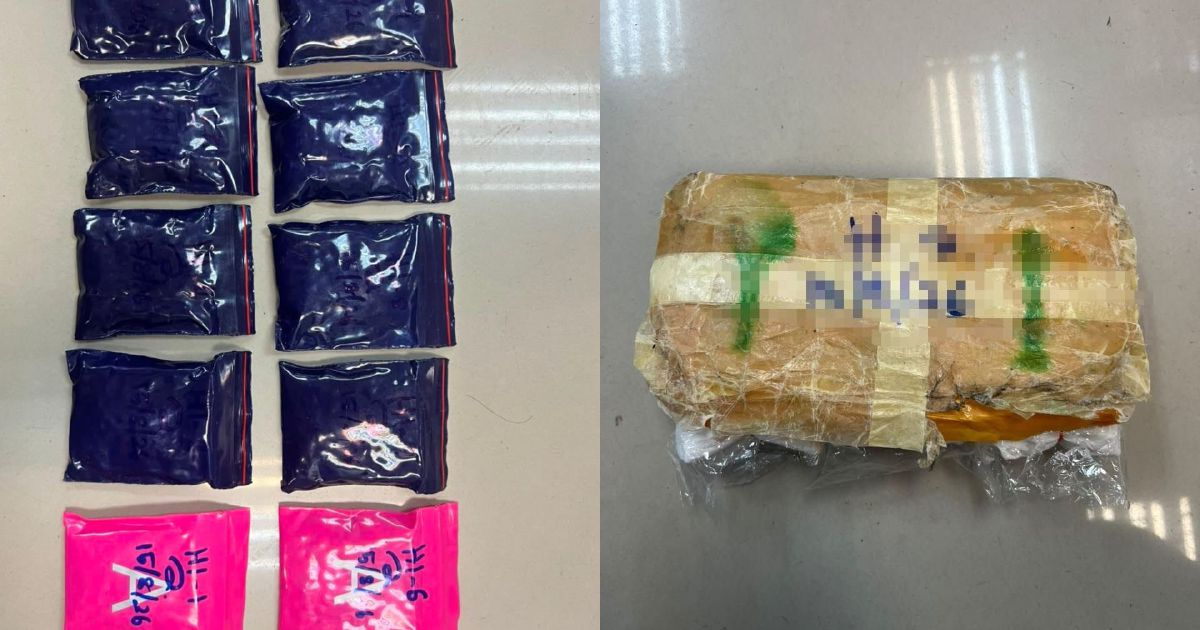
Police in Kelantan have arrested a 45-year-old Thai national found in possession of 6,000 yaba tablets during a coordinated drug operation in the Pasir Mas district. The bust occurred at Kampung Rahmat, located near the Rantau Panjang border checkpoint, with authorities seizing narcotics with an estimated street value of approximately RM60,000. The operation underscores the persistent challenge of methamphetamine smuggling through Malaysia's porous northern frontier with Thailand.
The seizure represents a significant catch in Kelantan's ongoing battle against transnational drug trafficking. Yaba, a combination tablet of methamphetamine and caffeine popular throughout Southeast Asia, continues to flood regional markets despite coordinated enforcement efforts. The volume of pills recovered suggests this was not a small-scale personal operation but rather part of a larger distribution network servicing demand across Malaysia and potentially beyond.
The Rantau Panjang checkpoint area has emerged as a critical interdiction point for drug smugglers attempting to move contraband from Thailand into Malaysia. This border region, with its numerous illegal crossing points and relatively sparse surveillance in remote areas, remains an attractive route for traffickers seeking to avoid official customs channels. The proximity of Kampung Rahmat to this crossing makes it a logical staging area for narcotics bound for Malaysian markets.
Yaba tablets have become the drug of choice across Southeast Asia, particularly among younger consumers and in nightlife settings. The drug's stimulant properties and relatively low cost per dose compared to powder methamphetamine make it accessible and popular. Malaysia has experienced a notable surge in yaba consumption over the past decade, with enforcement agencies reporting increased seizures and rising numbers of users entering rehabilitation facilities.
The Thai drug problem directly impacts Malaysia's security and public health landscape. Thailand remains the world's largest producer and exporter of methamphetamine in its tablet form, with criminal syndicates operating across the border region with relative impunity. Local and transnational organized crime groups leverage porous border areas and sophisticated smuggling networks to maintain steady supplies to Malaysian distributors and end-users.
This arrest reflects the resource allocation and operational focus of Malaysian narcotics enforcement. Police operations targeting trafficking hotspots near border crossings have yielded substantial results, though the sheer volume of attempted smuggling suggests that these successes represent only a fraction of overall trafficking activity. The scale of the operation needed to intercept a portion of the drugs entering Malaysia indicates the magnitude of the underground drug trade operating within the nation.
The value attributed to the seized yaba reflects both the wholesale cost and eventual street prices. At RM60,000 in estimated value, the confiscated tablets represent a meaningful financial loss to trafficking organizations, though such losses are frequently absorbed as operational costs. The financial incentives driving this trade remain substantial, given the relatively low production costs in Thailand and the robust demand among Malaysian consumers.
Enforcement agencies throughout the region face mounting pressure to disrupt supply chains while simultaneously addressing demand-side challenges. The arrest in Pasir Mas occurred as part of broader anti-drug campaigns that involve coordination between federal and state police, customs authorities, and intelligence units. Such operations require sustained commitment and resources, as drug trafficking networks continually adapt their methods and routes in response to enforcement pressure.
The implications of this seizure extend beyond the immediate arrest and confiscation. Each successful interdiction operation generates intelligence about trafficking patterns, organizational structures, and emerging routes that inform future enforcement strategies. Authorities can use information from this case to identify associates, distribution networks, and upstream suppliers operating along the Thailand-Malaysia frontier.
Community awareness and cooperation remain essential components of effective drug enforcement. Citizens living in border communities and areas adjacent to major trafficking routes can provide valuable information about suspicious activities and smuggling operations. Partnerships between law enforcement and local populations have historically contributed to the success of anti-trafficking initiatives throughout Malaysia.
The broader regional context includes Thailand's own intensified efforts to address methamphetamine production and trafficking within its borders. Thai authorities have implemented stricter manufacturing controls and interdicted major shipments destined for regional distribution. However, the continued scale of production and the profitability of the trade ensure that significant quantities continue to reach international markets, including Malaysia.
Government agencies and public health organizations in Malaysia continue developing comprehensive responses combining enforcement, treatment, and prevention. Youth education programs, community engagement initiatives, and rehabilitation support services complement police interdiction efforts. The holistic approach recognizes that addressing drug trafficking requires simultaneous action across multiple fronts rather than enforcement alone.
Looking forward, the arrest in Pasir Mas represents an ongoing engagement in a transnational drug control challenge that will likely persist for years. The structural factors enabling the trade—production capacity in source countries, profitability that attracts criminal investment, and consistent demand from Malaysian consumers—suggest that border enforcement operations will remain necessary elements of Malaysia's drug policy strategy.

