Thailand is weighing an unusual diplomatic tactic in its forthcoming trade negotiations with the Trump administration: threatening to downgrade military cooperation if the United States maintains steep tariffs on Thai exports. The warning would be incorporated into a counterproposal as discussions resume this month, with Bangkok prepared to reconsider its participation in joint defence activities should tariffs inflict substantial economic damage on the Thai economy, officials have indicated.
This represents a striking departure from how nations typically compartmentalize military and commercial relations. By explicitly linking security cooperation to trade outcomes, Thailand is attempting to appeal to American strategic interests in maintaining influence across Southeast Asia. The approach reflects Bangkok's assessment that the decades-old alliance framework carries sufficient weight to warrant consideration in broader negotiations, particularly as the region experiences intensifying geopolitical competition.
Thailand exported goods valued at US$51.4 billion to the United States last year, generating a considerable surplus that now faces pressure from American tariffs. The Trump administration has imposed a 12.5 per cent duty on most Thai exports under Section 301 provisions, which Washington invokes to counteract what it characterizes as unfair trading practices. Bangkok finds itself among dozens of nations scrambling to secure more advantageous terms in the face of this protectionist environment.
In response to these mounting pressures, the Thai government has already tabled several concessions. These include commitments to eliminate tariffs on certain American products and harmonize domestic standards with US regulations for beef, lamb, and alcoholic beverages. Additionally, Thailand has pledged to accelerate legislative action against imports manufactured through forced labour, directly addressing Washington's concerns about supply chain integrity. Despite these moves, Bangkok is simultaneously signalling that patience has limits if economic damage becomes severe.
Thailand occupies a unique position in Southeast Asia as one of only two formal US treaty allies in the region, alongside the Philippines. This bilateral arrangement has historically provided Washington with critical strategic positioning across mainland Southeast Asia, particularly as Chinese influence has expanded throughout the region. The alliance framework, dating back decades, has traditionally remained distinct from commercial negotiations, making Thailand's implicit threat to weaponize defence ties a notable shift in diplomatic tactics.
Commerce Minister Suphajee Suthumpun has recently amplified arguments for preferential treatment by explicitly referencing the countries' strategic partnership. She has invoked the Treaty of Amity and Thai investments in the American economy as rationales for more generous trade terms. Describing the negotiating effort as a comprehensive whole-of-government initiative involving the foreign ministry, defence establishment, and business associations, Suthumpun has indicated that Bangkok's target remains to cap any tariff rate at no higher than the 19 per cent threshold discussed under an earlier framework.
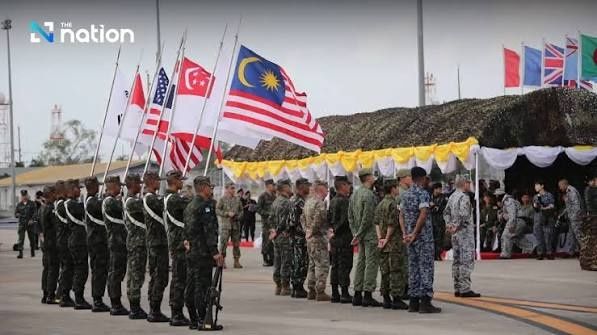
The Cobra Gold exercises serve as the centrepiece of bilateral military engagement. Co-hosted by Thailand and the United States, this annual multinational drill is recognized by American defence officials as the largest military exercise of its kind across mainland Asia. The previous iteration drew approximately 8,000 personnel representing 30 nations, underscoring both the operation's scale and the diplomatic architecture it represents. Scaling back or suspending this exercise would reverberate across the region's defence establishment and signal a substantial rupture in American-Thai security relations.
Historically, Thailand and the United States have managed to preserve their defence partnership even through periods of political turbulence. Following Thailand's 2014 military coup, Washington reduced Cobra Gold operations and suspended multiple defence engagements as a demonstration of displeasure. However, the two nations subsequently rebuilt their relationship gradually, demonstrating the alliance's underlying resilience. This history suggests that both capitals possess experience navigating tension while preserving core security arrangements, though explicit threats to military cooperation represent a more assertive Thai negotiating posture than previously observed.
The Thai Defence Ministry has adopted a cautious public stance regarding these matters. Defence Ministry spokesman Surasant Kongsiri declined to confirm or verify details of the proposal, instead suggesting that negotiations would more naturally concentrate on deepening cooperation. This apparent contradiction between Thailand's reported intentions and official statements reflects the delicate balance Bangkok must maintain: signalling seriousness about potential consequences while avoiding actions that might permanently damage a strategic partnership deemed essential to regional stability and Thai security interests.
For Malaysia and other Southeast Asian nations, Thailand's negotiating approach carries broader implications. Thailand's willingness to explicitly link military cooperation to trade terms establishes a precedent that could influence how other regional partners approach their own relationships with the United States. The maneuver also underscores the complex interdependencies shaping regional geopolitics, where security partnerships and economic arrangements increasingly overlap. As China continues expanding its regional influence, the United States faces pressure to accommodate its traditional allies' economic grievances or risk losing strategic positioning that has anchored American engagement in Southeast Asia for generations.
The Pentagon has publicly signalled confidence in the alliance's durability. During a recent Bangkok visit, Undersecretary of Defense Elbridge Colby reaffirmed with Thai Permanent Secretary for Defense General Tharapong Malakam that the US-Thai alliance had achieved renewed strength. Such statements suggest that American defence officials recognize the value of maintaining robust security ties with Bangkok, potentially providing leverage for Thai negotiators. However, whether this institutional commitment to alliance maintenance will outweigh Trump administration trade protectionism remains uncertain as negotiations advance.

