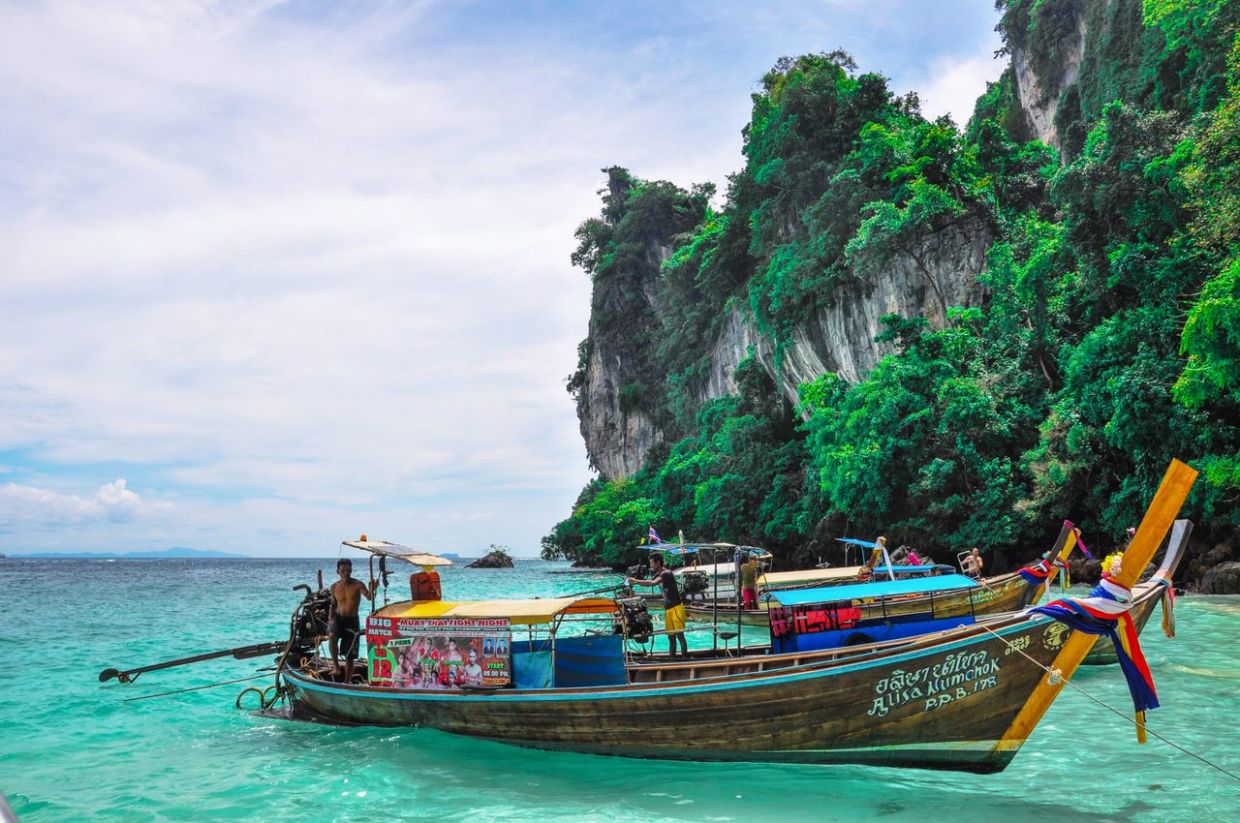
Thailand has fundamentally reoriented its approach to international tourism, moving away from the pursuit of record-breaking visitor numbers that dominated the sector for decades. Instead, the kingdom's tourism authorities are now concentrating their efforts on attracting affluent travellers who generate substantial spending despite lower overall arrival figures. This strategic pivot represents one of the most significant policy changes in Southeast Asian tourism in recent memory, with implications that extend far beyond Thailand's borders.
The numbers tell the story clearly. The Tourism Authority of Thailand is targeting approximately 33 million foreign arrivals this year, a figure substantially below the nearly 40 million visitors who came to the country in 2019 before the pandemic disrupted global travel. Should Thailand fall short of last year's 32.97 million arrivals, it would represent the nation's first back-to-back annual decline outside pandemic-affected years since tracking began in 1995 at the earliest. This deliberate moderation of visitor numbers marks a watershed moment in how Thailand measures tourism success and economic benefit.
According to Nithee Seeprae, Deputy Governor of the Tourism Authority of Thailand, this recalibration reflects both external pressures and a sober assessment of what actually drives economic gains. Geopolitical tensions and heightened competition from other Southeast Asian nations have made the traditional approach increasingly untenable. Rather than competing with neighbours on the basis of volume and low prices, Thailand is repositioning itself as a destination for visitors willing to spend considerably more per trip. The emphasis on "quality markets" represents a fundamental acknowledgement that revenue per visitor matters far more than total head count.
The authority's current marketing initiatives reveal the contours of this new strategy. Recent promotional campaigns in British cities including Oxford and Manchester are designed to attract travellers seeking specific experiences: medical tourism and wellness retreats, cultural and musical events, golf outings, marathons and other sporting attractions. These activities inherently appeal to visitors with higher disposable incomes who typically extend their stays and distribute spending across multiple services. By contrast, the mass-tourism model of previous decades often concentrated on budget-conscious visitors seeking beach and nightlife experiences concentrated geographically and temporally.
Current data indicates that international visitors spend approximately US$1,500 per trip on average. Tourism officials have set an ambitious target to raise this figure to roughly US$2,400 by focusing marketing and infrastructure development on high-value segments. Yet projections for international tourism receipts this year show only marginal improvement, with authorities forecasting THB1.55 trillion compared to THB1.54 trillion in 2025. This modest growth despite the strategic reorientation suggests the transition will require sustained effort and investment before meaningful revenue gains materialise.
The most telling indicator of Thailand's seriousness about this shift involves visa policy. The pandemic prompted Thailand to introduce relaxed entry regulations intended to stimulate tourism recovery. However, authorities have since rolled back these measures after linking simplified visa processes to increases in illegal employment, visa overstaying, and criminal activity involving foreign nationals. The decision to restrict access in pursuit of quality represents a major reversal of post-pandemic policy, demonstrating that Thailand now views visitor selectivity as more important than maximising arrivals. This approach signals that maintaining social stability and legal order trumps the pursuit of visitor volume targets.
However, Thailand confronts substantial structural obstacles in executing this transformation. Tourism accounts for approximately one-fifth of the entire national economy, and vast ecosystems of hotels, restaurants, markets, transport companies, diving operations and tour businesses have developed specifically around serving large volumes of visitors. Cities and regions including Phuket and Chiang Mai were quite literally built around mass-tourism models, with infrastructure, employment structures and business models calibrated for scale rather than luxury experiences. Pivoting toward fewer, wealthier travellers requires not just marketing reorientation but potentially painful restructuring of physical infrastructure and business practices across entire regions.
Thailand's competitive position has also deteriorated relative to regional rivals. The kingdom once dominated Southeast Asia's value-for-money tourism market, a distinction increasingly contested by Vietnam and Indonesia as both nations invest in tourism infrastructure and marketing. Additionally, Thailand's baht currency has strengthened in recent years, eroding the price advantages that historically attracted budget-conscious travellers. These external market forces have made the shift toward higher-value tourism less a matter of choice and more a question of necessity.
The nation spent several decades constructing one of the world's largest mass-tourism industries, advantages accumulated through currency depreciation, global media exposure from films and television productions, and an extraordinary surge in Chinese visitors before the pandemic. Since the global Covid-19 shutdown, Thailand has struggled considerably to recapture that momentum, particularly the Chinese market segment that previously contributed substantially to tourism receipts. The attempted recovery through relaxed visas ultimately proved counterproductive from a policy perspective, forcing authorities to reconsider fundamental assumptions about what tourism should accomplish.
Nithee has pushed back against suggestions that the new approach amounts to exclusionary practice designed to discourage ordinary tourists. According to the deputy governor, Thailand's redefined concept of luxury encompasses meaningful and exclusive experiences rather than mere price premiums or five-star amenities. This framing suggests the authority views the shift not as abandonment of accessible tourism but rather as emphasis on depth of experience over volume of visitors. Whether this more inclusive interpretation gains traction with regional competitors pursuing similar strategies remains uncertain.
The implications of Thailand's pivot extend throughout Southeast Asia as other nations monitor the kingdom's experience carefully. Regional governments face similar pressures regarding geopolitical competition, currency strength, and infrastructure constraints. If Thailand successfully generates higher revenues from smaller visitor populations, competing destinations may accelerate their own transitions from mass-tourism models. Conversely, if the strategy falters—particularly given the region's economic interdependence on tourism—other nations may conclude that volume remains essential despite quality aspirations. Either way, Thailand's shift represents a crucial inflection point for how Southeast Asian nations approach international tourism in the coming decade.

