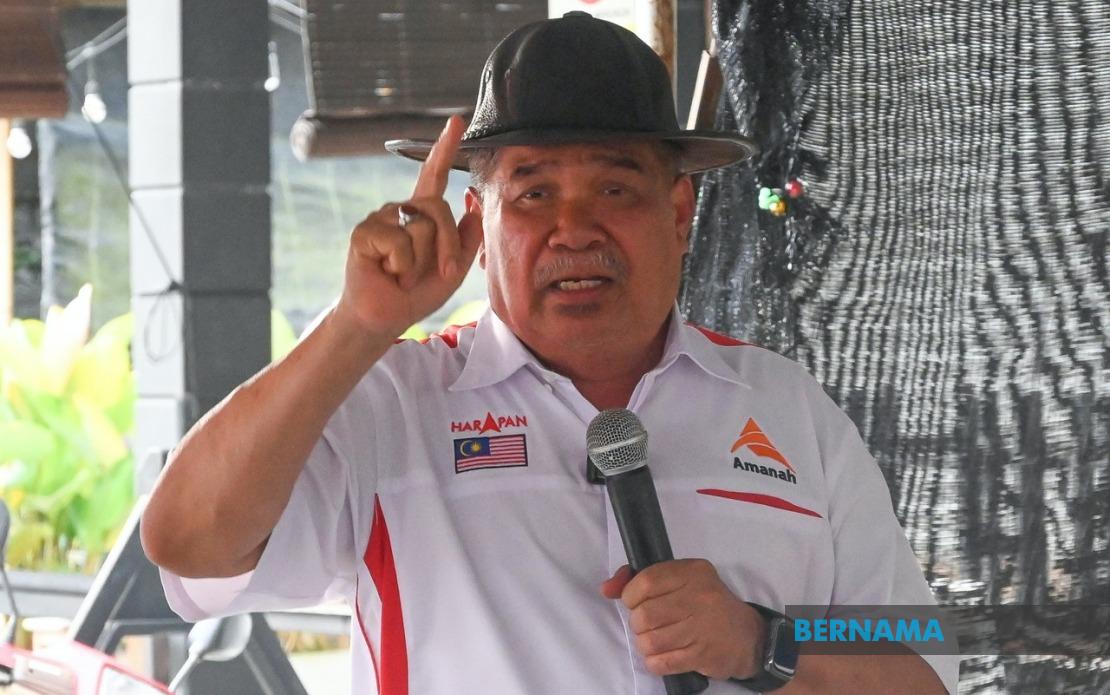
Malaysia's agriculture sector is moving closer to resolving a contentious dispute with Thailand over shrimp imports, with Agriculture and Food Security Minister Datuk Seri Mohamad Sabu signalling that discussions have reached their conclusive phase. Speaking in Kota Bharu during an event closing the Road to MAHA 2026 East Coast Zone programme, Mohamad expressed confidence that a settlement would materialise within the coming weeks, potentially clearing the way for resumed commerce in one of the region's most significant aquaculture trade corridors.
The underlying tension stems from Malaysia's decision last month to impose temporary restrictions on five commercially important shrimp species sourced from Thailand, effective June 1. The affected varieties encompass brown tiger shrimp (Penaeus esculentus), banana shrimp (Fenneropenaeus merguiensis), white shrimp (Penaeus vannamei), tiger shrimp (Penaeus monodon), and blue shrimp (Penaeus stylirostris). These species collectively represent a substantial portion of Thailand's shrimp exports to Malaysia and neighbouring markets, making the suspension a matter of considerable economic consequence for producers and distributors on both sides of the border.
Malaysia's agriculture ministry framed the import controls as part of a broader framework to strengthen oversight mechanisms for fishery products originating from the neighbouring country. The suspension was not presented as a permanent trade barrier but rather as a temporary measure designed to enforce stricter regulatory compliance and quality assurance protocols. This distinction carries significance for bilateral relations, as it positions the action as a regulatory safeguard rather than a protectionist measure, thereby reducing potential tensions with Thailand's government and business community.
For Malaysian importers, processors, and consumers, the prolonged suspension has created supply chain complications. Thailand accounts for a substantial share of Southeast Asia's aquaculture output, and shrimp in particular commands premium pricing in regional markets. The import halt has prompted Malaysian companies to explore alternative sourcing arrangements, diversifying their supplier base across Vietnam, Indonesia, and other regional producers. However, reestablishing preferred supply relationships post-resolution will require coordination and commercial negotiation.
The timing of Mohamad's announcement carries broader significance within Malaysia's agricultural policy framework. The minister used the occasion to outline Malaysia's strategic priorities for the upcoming MAHA 2026 exposition, emphasising innovation, technological advancement, and international collaboration. By publicly acknowledging imminent resolution of the Thailand dispute while simultaneously promoting Malaysia's modernised agricultural vision, Mohamad sought to project an image of administrative competence and openness to global engagement.
Malaysia's food security challenges underscore the practical importance of resolving the shrimp import question. As a nation that relies substantially on imported foodstuffs to meet domestic consumption, any prolonged disruption to established supply chains carries economic ramifications extending beyond the aquaculture sector. Shrimp features prominently in Malaysian cuisine and dietary preferences, making adequate supply availability a consumer welfare consideration that gains political salience during extended disputes.
The minister revealed that MAHA 2026, scheduled to run from August 28 through September 6, will feature participation from an expanded roster of international exhibitors and delegates. Nations contributing to the event will encompass African and Central Asian countries alongside established partners including China, Britain, Japan, and the United States. This geographical diversity reflects growing global appetite for learning about agricultural technology innovations and food production methodologies, particularly as climate pressures and population growth intensify food security concerns worldwide.
Malaysia's positioning within the international agricultural ecosystem has evolved considerably. Once primarily a recipient of technology transfer and farming expertise, the nation increasingly functions as a laboratory for advanced cultivation techniques and sustainable production methodologies. MAHA 2026 will showcase this transition, offering platforms for bilateral technology-sharing arrangements and collaborative research initiatives. The event's projected capacity of five million visitors rivals previous iterations, while organizers anticipate RM58 million in direct sales and RM8 billion in potential downstream investments emerging from networking and partnership discussions.
The Road to MAHA 2026 regional roadshow that concluded in Kota Bharu represented the final instalment of a nationwide promotional campaign. Earlier iterations had traversed Kedah, Selangor, Melaka, and Labuan, systematically building awareness and generating participation commitments across Malaysia's diverse agricultural zones. This grassroots engagement strategy reflects ministerial recognition that agricultural modernisation requires broad stakeholder buy-in extending beyond federal bureaucracies to encompass state governments, local businesses, farming communities, and civil society organisations.
Modaham's comments regarding expected resolution of the Thailand shrimp controversy should be contextualised within broader Southeast Asian trade dynamics. Malaysia maintains complex commercial relationships with multiple neighbours, each characterised by distinct sectoral interests and regulatory frameworks. The aquaculture dispute with Thailand, while significant, remains manageable within the larger architecture of bilateral engagement. Both nations benefit substantially from cross-border commerce, providing structural incentives for expeditious dispute resolution and collaborative problem-solving.
Looking forward, the successful conclusion of shrimp import negotiations would establish precedent for addressing similar regulatory disagreements through dialogue rather than prolonged trade friction. As Southeast Asian economies increasingly integrate through supply chain interdependencies and value-added production networks, mechanisms for rapid issue resolution become strategically valuable. Malaysia's demonstrated willingness to engage Thailand constructively, combined with transparent communication about timeline expectations, suggests confidence that technical and regulatory concerns can be satisfactorily addressed through negotiations rather than escalation.

