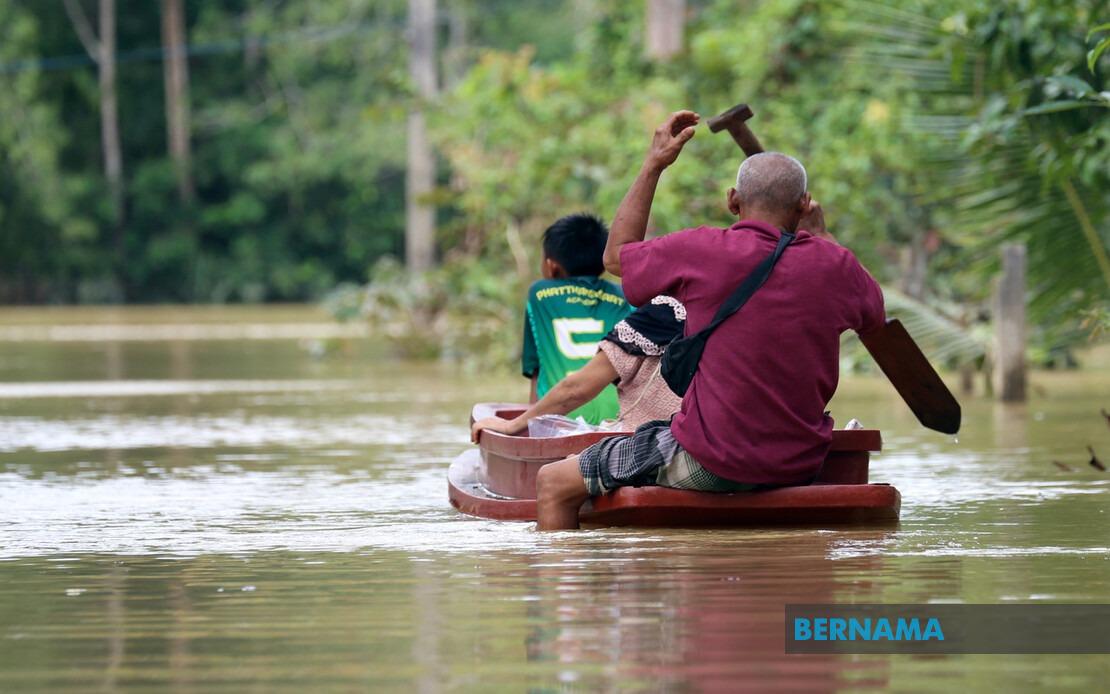
Thailand has substantially overhauled its disaster response architecture to address escalating climate risks, establishing a coordinated command structure designed to accelerate relief operations and strengthen inter-agency coordination. The initiative reflects growing governmental concern about the nation's vulnerability to both immediate hydrological hazards and longer-term climatic disruptions that could destabilise agricultural production and water security across Southeast Asia's second-largest economy.
The restructured mechanism now incorporates four regional committees tasked with comprehensive monitoring of weather patterns and water levels, rapid coordination of emergency operations, oversight of relief distribution and compensation schemes, and supervision of post-disaster reconstruction. Deputy government spokeswoman Capt Patdarasm Thongsaluaykorn announced the framework on Tuesday, emphasising that the system aims to expedite assistance to affected communities whilst protecting lives, assets, and economic livelihoods through unified command protocols and streamlined decision-making processes. This centralised approach seeks to eliminate the bureaucratic delays and fragmented responses that have historically complicated Thailand's disaster management efforts.
Current surveillance data reveals the scale of Thailand's hydro-meteorological vulnerability. The system actively tracks 1,363 locations classified as flood-risk zones and identifies 444 regions exposed to sustained drought conditions. This extensive monitoring network provides the foundation for early warning systems and prepositioned resource allocation, enabling authorities to position relief supplies and personnel before disasters strike rather than responding reactively after communities face acute shortages. The breadth of coverage underscores the pervasive nature of water-related hazards across Thai territory, from river basins to agricultural provinces dependent on seasonal rainfall patterns.
The Thai Meteorological Department currently warns of heavy precipitation, flash flooding, and waterway overflow across northern, northeastern, and eastern regions. Maritime authorities have restricted small vessel operations in the upper Andaman Sea from August 4-9 and the upper Gulf zone from August 6-9, reflecting the immediate severity of weather-induced hazards. These short-term forecasts represent the kind of acute crisis that the upgraded committee structure should mitigate through faster mobilisation of rescue assets and evacuation procedures.
Deputy Prime Minister Yodchanan Wongsawat, who simultaneously serves as Minister of Higher Education, Science, Research, and Innovation, chairs the northern regional committee. The inaugural meeting convened at the Department of Disaster Prevention and Mitigation on Tuesday, establishing operational protocols and information-sharing arrangements among constituent agencies. The involvement of such high-level leadership reflects the Thai government's determination to elevate disaster management beyond routine administrative functions toward a strategic priority commanding ministerial attention.
Beyond the immediate flood threat lies a more insidious long-term challenge. Meteorological forecasting models anticipate a Super El Niño phenomenon commencing in October and persisting through early 2027, bringing precipitation reductions exceeding ten percent across affected regions. For Thailand, this climatic anomaly threatens cascading economic consequences including diminished crop yields, compromised rice production capacity, and constrained water availability for irrigation and domestic consumption. The nation's agricultural sector, which remains economically and socially significant despite urban industrialisation, faces potential productivity declines that could ripple through rural incomes and rural-to-urban migration patterns.
These overlapping hazards acquire particular significance for the broader Southeast Asian context. Thailand functions as a regional rice exporter, food security contributor, and economic anchor, meaning domestic agricultural disruptions carry transnational implications. Sustained drought conditions coupled with reduced rainfall could diminish Thailand's export competitiveness whilst inflating regional food prices, affecting food-importing neighbours including Malaysia, Singapore, and Vietnam. Similarly, cross-border water resources and the shared Mekong river system mean that Thai water stress intersects with neighbouring nations' development and agricultural planning.
The governance architecture unveiled reflects international best practice in disaster management, emphasising coordination across vertical administrative hierarchies and horizontal interagency cooperation. Regional committees possess authority to direct government agencies within their jurisdictions, conduct situational assessments, and distribute verified information to citizens. This combination of command capacity and communication responsibilities aims to prevent information vacuums that often breed panic, speculation, and counterproductive public behaviour during crises.
The committees' explicit mandate to oversee post-disaster recovery represents recognition that disaster management extends beyond immediate response into longer-term reconstruction. Building back faster and more resilient requires sustained coordination between housing authorities, agricultural ministries, infrastructure agencies, and livelihood restoration programmes. The pre-established committee framework ensures that reconstruction planning commences in parallel with emergency response rather than months after crisis passage, potentially accelerating recovery trajectories for affected communities.
For Malaysian readers and policymakers, Thailand's institutional adaptations offer instructive lessons. Malaysia's own exposure to monsoon floods, particularly in Peninsular regions, and increasing drought stress in certain areas demand similarly sophisticated coordination mechanisms. The Thai experience demonstrates how centralised committee structures with clear delineation of responsibilities and adequate ministerial engagement can improve emergency response effectiveness, a consideration relevant as Malaysian states grapple with intensifying weather volatility associated with climate change.
The adequacy of these preparations will ultimately depend on implementation fidelity and resource allocation. Committee structures proliferate throughout Asian governments, yet frequently underperform due to insufficient budgets, unclear authority chains, or competing bureaucratic priorities. Thailand's government must ensure sustained funding, regular training, and accountability mechanisms that transform institutional design into operational competence. The coming months will provide a critical test of whether the restructured framework delivers demonstrably faster and more effective disaster response than its predecessor system.

