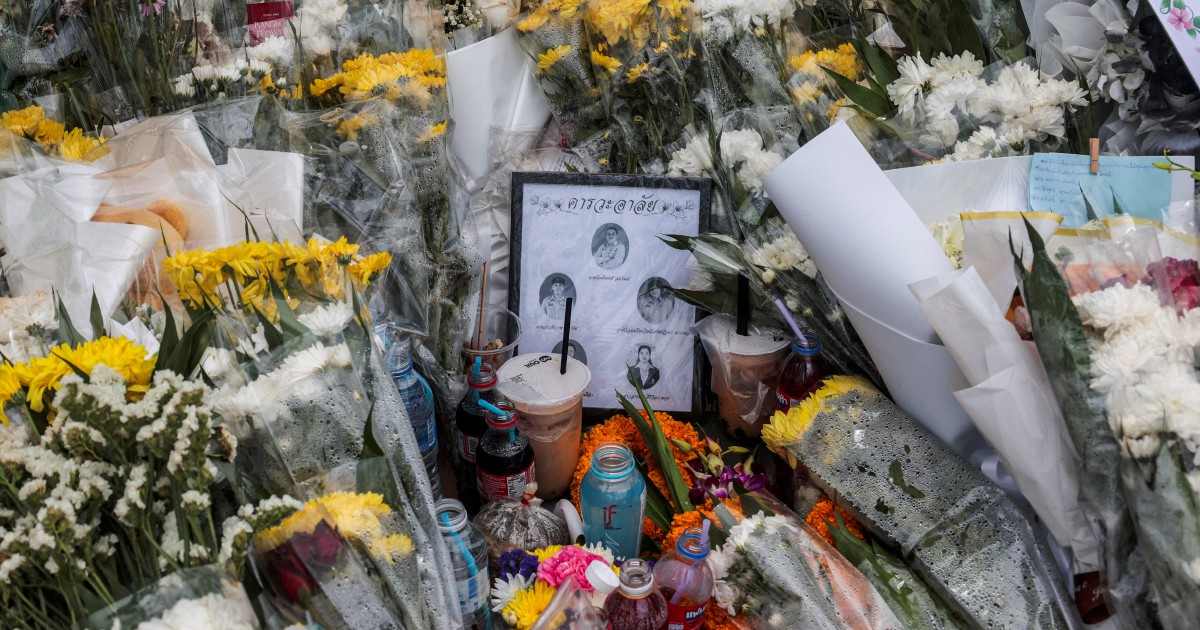
Thailand's government has taken immediate steps to tighten firearms control following a devastating school shooting that claimed multiple lives, with Prime Minister ordering a suspension of gun licences announced Tuesday in Nonthaburi province. The decisive measure represents a significant policy response to the tragedy that unfolded the previous week, as the nation confronts ongoing concerns about gun violence and access to weapons.
The cremation of the teenage shooter and his grandparents—both victims in the incident—marked a somber moment for the families involved and underscored the personal tragedy at the heart of this public security crisis. The bodies were laid to rest Tuesday, bringing temporary closure to the immediate aftermath while questions about how the shooting occurred and what warning signs may have been missed continue to occupy authorities and public discourse.
Gun control has emerged as a pressing policy challenge across Southeast Asia, where several nations grapple with balancing citizens' rights to self-defence and sporting pursuits against rising concerns about armed violence. Thailand's approach reflects broader regional trends toward stricter regulation, as policymakers recognize that measures targeting licence issuance and renewal can substantially reduce access to firearms among the general population. The suspension signals that the government is willing to implement swift administrative actions when public safety is at stake.
The particular circumstances surrounding this incident—involving a teenager with access to firearms—have intensified scrutiny on how gun licences are distributed, renewed, and supervised within Thailand's regulatory framework. Questions have naturally arisen about whether existing safeguards adequately assess the mental and psychological fitness of licence holders, especially concerning young people living in households with firearms. The tragedy highlights potential gaps in background check procedures and storage requirements that might prevent similar incidents.
For Malaysian readers, Thailand's response offers a comparative lens on firearms regulation across the region. Malaysia maintains one of Southeast Asia's stricter gun control regimes, with rigorous licensing requirements and limited civilian access to firearms. Thailand's move toward tighter restrictions suggests neighbouring countries are converging on similar policy priorities, recognizing that public safety concerns often outweigh other considerations in democracies facing gun violence.
The suspension of firearms licences functions as both an immediate safety measure and a symbolic statement that the government is responding decisively to public concern. By halting new licence approvals and potentially reviewing existing licences, authorities can implement more thorough vetting procedures and updated safety protocols. Such interim measures often precede more comprehensive legislative reforms that address underlying vulnerabilities in the licensing system.
International experience demonstrates that suspensions typically serve as holding actions while governments conduct reviews of their regulatory frameworks. The measure allows time for policy experts to examine how other countries have tackled similar challenges, assess which aspects of Thailand's current system require reform, and build political consensus around substantive changes. Such periods often result in mandatory safety training requirements, stricter storage regulations, and enhanced background investigations.
The incident has prompted broader public conversation about mental health support and intervention mechanisms that might identify at-risk individuals before violent incidents occur. School shooting tragedies frequently reveal that perpetrators exhibited warning signs—concerning statements, behavioral changes, or documented psychological distress—that warrant preventive intervention. Thailand's authorities and schools are likely to examine how detection and referral systems function, and whether existing mental health resources are adequate for troubled youth.
For regional security and stability, this tragedy and the government's response carry implications beyond Thailand's borders. Southeast Asian nations increasingly share information and best practices regarding public safety threats, and Thailand's policy innovations may influence how neighbouring countries approach gun control reform. The incident contributes to growing international understanding that coordinated approaches to firearms regulation, mental health services, and early intervention can reduce tragedy.
The cremation of those involved marks a turning point in official attention, as the immediate crisis response transitions toward systematic policy review and implementation of structural safeguards. Government agencies, educational institutions, and civil society organizations are expected to intensify collaborative efforts to prevent future tragedies through improved regulation, enhanced monitoring, and community-based support mechanisms.

