Thailand's government is moving to address a systemic bullying epidemic in schools, spurred by the August 7 school shooting at Debsirin Nonthaburi School near Bangkok, where a 14-year-old opened fire killing nine people including himself. While authorities scramble to introduce safeguards and detection systems, educators and counsellors warn that the true challenge lies not in policy but in transforming deeply ingrained cultural attitudes that enable harassment to flourish unchecked.
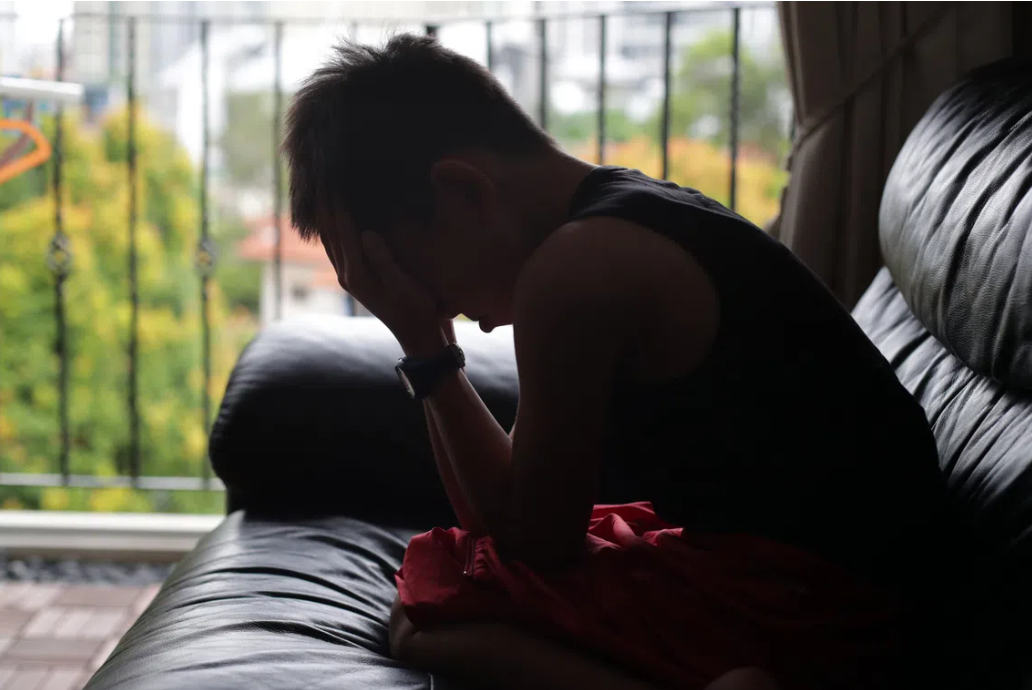
Surasit Nok-Ouam carries the scars of a decade-long ordeal. Now 20 years old and working as a gig worker, he recalls how his quiet nature made him prey from kindergarten through primary school, experiencing both verbal taunting and physical assault. His story is far from unique in Thailand's education landscape. A government survey conducted in September 2025 revealed a troubling picture: nearly two-thirds of 42,000 young people aged six to 25 reported experiencing bullying, with schoolyards identified as the most common venue for such incidents at 83 per cent.
The range of bullying behaviours documented in the survey extends from mockery about names and family members—the most frequently reported form—to outright physical violence. Approximately 28 per cent of respondents admitted to suffering kicks, punches, and other forms of bodily harm. More alarmingly, at least one in four victims have contemplated self-harm, suggesting that the psychological damage runs deep and carries serious mental health consequences. Experts argue this violence often progresses incrementally, beginning with what perpetrators dismiss as harmless teasing before escalating into more systematic abuse.
Surasit's experiences illustrate how insidious school bullying operates in practice. When using toilet facilities, groups of boys would follow him and splash water while hurling insults, creating such profound anxiety that he began dreading the simple act of using a bathroom. During physical education class, another student publicly humiliated him by pulling down his trousers, yet when Surasit attempted to respond or show anger, his tormentors only found further entertainment. This dynamic—where even a victim's distress becomes fodder for amusement—reveals how institutional tolerance and peer culture combine to entrench harassment.
While the Debsirin shooting has intensified public focus on bullying, questions persist about its precise role as a causal factor in the tragedy. Police investigations remain ongoing, and officials have noted that exposure to violent video game content and academic pressure were also cited as potential influences on the teenage gunman, described by those who knew him as a quiet boy raised by conscientious grandparents. Nonetheless, the tragedy has prompted wider examination of school safety and student welfare, with viral social media videos documenting past incidents—including one from July 21 at the prestigious St Gabriel's College in Bangkok showing younger students being beaten—bringing previously unreported cases into public consciousness.
Aranee Vivatthanaporn, a criminology and justice administration lecturer at Rangsit University, cautions against interpreting the recent media spotlight as evidence that bullying has suddenly worsened. Instead, she suggests that widespread access to recording devices and social media platforms has simply made previously hidden incidents visible. "Incidents of bullying have become more visible because they are more frequently recorded, shared through social media, and brought to public attention," she explained, arguing that heightened visibility reflects the digital era's capacity to expose persistent problems rather than necessarily indicating growth in absolute numbers.
Prieo To-uam, a freelance counsellor working with adolescents for the past four years, reports a surge in young people seeking help, with bullying mentioned by virtually every teenager she meets, regardless of whether they attend local Thai schools or international institutions. She notes that many victims lack awareness of when teasing crosses into psychological harm, just as perpetrators often fail to recognise the severity of their actions. The pattern she observes suggests systemic normalisation of aggressive behaviour within school environments.
Yet the most significant obstacle to meaningful reform may lie not in institutional structures but in Thai cultural values that discourage disclosure and emotional expression. The concept of kreng jai—often translated as extreme consideration or deference—creates powerful social pressure for victims to suppress grievances and prioritise group harmony over personal wellbeing. "Societal expectations prioritising politeness, deference, and social harmony frequently pressure youth to internalise negative emotions," Prieo observed. This cultural mechanism means that bullying victims often suffer in silence, unable to articulate distress without violating unspoken social codes. Such suppression, she warns, allows psychological damage to accumulate until it erupts in destructive ways.
Chinun Boonroungrut, a psychology lecturer at Silpakorn University, contextualises bullying's psychological impact within frameworks of depression, unmanaged anger, and festering resentment. Yet he emphasises that adolescent bullying does not automatically trigger extreme violence, distinguishing the widespread nature of harassment from its rare escalation into tragedy. This nuance is crucial for policymakers seeking proportionate responses.
Thailand's Education Ministry responded to the Debsirin shooting by announcing reforms scheduled for implementation by early November. These include adopting a zero-tolerance bullying stance, enhancing weapon detection protocols, and establishing referral mechanisms for at-risk students. The government also aims to advance a new "Student and School Safety Act" incorporating mental health monitoring and post-traumatic stress screening. While these measures address structural vulnerabilities, experienced counsellors like Prieo worry that legislative frameworks alone cannot overcome the cultural dynamics that enable bullying to persist in plain sight, with victims reluctant to report incidents and bystanders reluctant to intervene.

