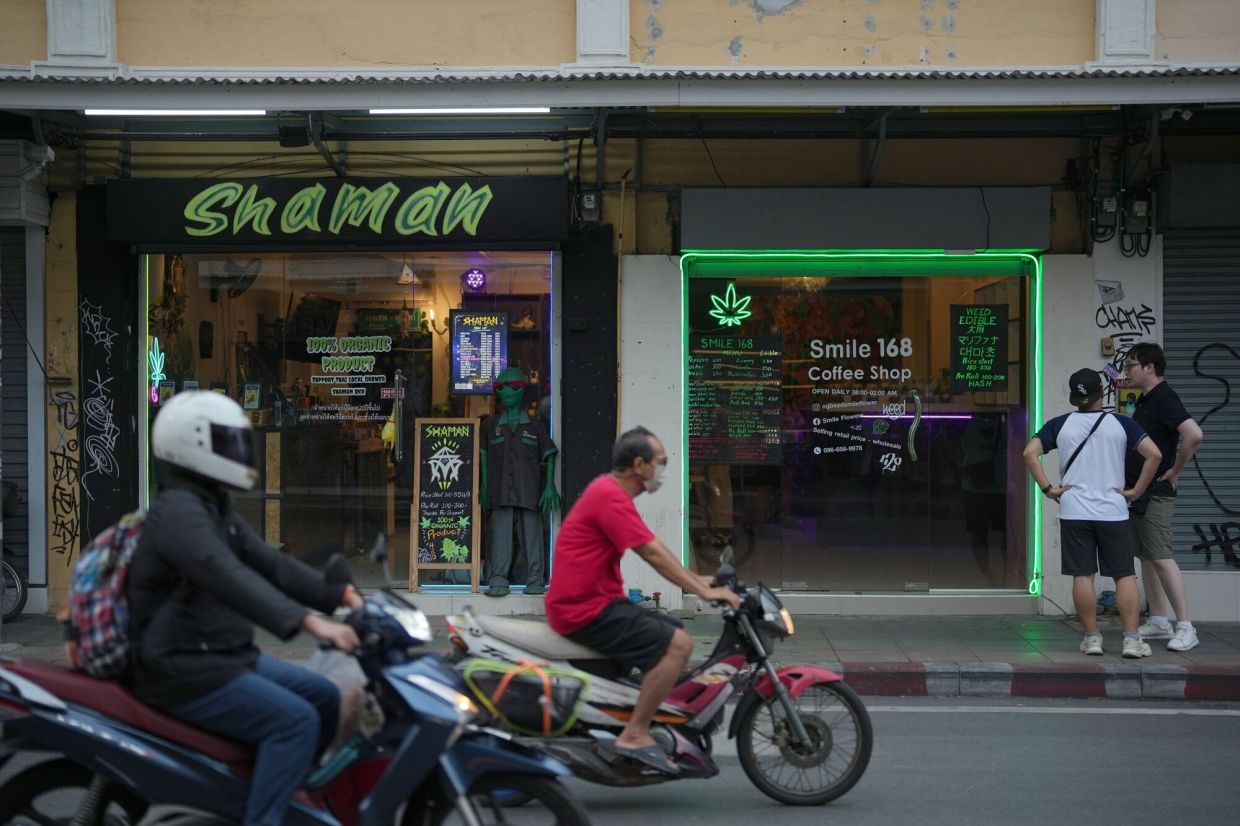
Thailand's Public Health Minister Pattana Promphat has advanced a sweeping draft Cannabis and Hemp Act aimed at establishing rigorous controls over cannabis cultivation, sale and distribution while confining all legitimate use to medical applications. The legislative push, which gained fresh momentum on Tuesday following public consultations completed last month, reflects growing concerns within Bangkok about the country's marijuana marketplace spiralling beyond government oversight since cannabis was decriminalised several years ago.
The new framework represents a significant departure from existing regulations, which currently rely on the Act on the Protection and Promotion of Herbs alongside various ministerial decrees. Those earlier rules addressed sales, transfers and product extraction but conspicuously omitted cultivation altogether, creating a regulatory vacuum that authorities argue contributed to smuggling networks and unlicensed dispensaries proliferating across urban and rural areas. The draft bill would close this gap by establishing control mechanisms beginning at the cultivation stage and throughout the supply chain, introducing what Pattana described as relatively stringent and substantial penalties for breaches.
A central challenge confronting Thai authorities involves the estimated 6,000 cannabis outlets operating with expired licences or no authorisation whatsoever. Government figures show that of the 18,000 outlets established since 2023, approximately one-third saw their registrations lapse at the end of that year, with only around 1,500 undertaking renewal procedures. The licensing structure itself operates on three-calendar-year cycles, meaning roughly 6,000 outlets face expiration annually through 2026 and 2027, creating an administrative headache as authorities scramble to distinguish legitimate medical dispensaries from unregulated recreational shops. This backdrop helps explain the government's decision to implement a GPS-based registry system pinpointing all legitimately registered outlets alongside their licence expiry dates, essentially creating a digital map distinguishing authorised operators from illegal competitors.
The enforcement machinery backing this regulatory overhaul has been significantly reinforced. The Ministry of Public Health has substantially expanded its capacity to conduct inspections and make arrests by deputising police officers and staff from local administrative organisations, building an enforcement corps numbering tens of thousands. The Department of Thai Traditional and Alternative Medicine now publishes all properly registered outlets on its website alongside GPS coordinates and licence expiration timelines. Any shop absent from this digital registry is automatically presumed to be unlicensed, triggering immediate enforcement action and criminal charges against operators. For illicit retailers selling cannabis for recreational consumption, Pattana confirmed that arrest and prosecution remain mandatory outcomes.
A particularly significant regulatory shift involves requirements for properly registered outlets to transition toward becoming medical facilities under amended ministerial regulations. Under this framework, licensed shops must maintain permanent on-site supervision by qualified doctors who would directly oversee all dispensing to patients with documented medical need for cannabis treatment. This requirement represents a fundamental recalibration of how the government distinguishes legitimate medical commerce from recreational trafficking, fundamentally changing the character of cannabis retail from pharmacy-style convenience to clinical environment. The embedded physician requirement also facilitates monitoring mechanisms designed to detect patterns suggesting repeated excessive supply to individual consumers, which would trigger detailed examination and potential legal prosecution if irregularities surface.
Illegal cannabis exports constitute another significant source of regulatory concern prompting government action. Although cannabis remains unscheduled as a narcotic substance within Thailand's legal framework, it retains full narcotic status in numerous destination countries, meaning any cross-border movement must comply with the receiving jurisdiction's laws. Pattana acknowledged that sizeable volumes of Thai cannabis have been smuggled abroad for commercial resale, occasionally facilitated by operators utilising fraudulent licences to legitimise their operations. The Department of Thai Traditional and Alternative Medicine has responded by transitioning to electronic-only licence issuance, eliminating paper credentials susceptible to counterfeiting. However, Pattana conceded that particularly large smuggling operations occasionally circumvent detection despite these precautions, particularly through airport channels and customs facilities where enforcement capacity sometimes proves insufficient.
The Bhumjaithai Party, which has championed Thailand's cannabis liberalisation policies over recent years, remains firmly committed to a medical-only posture according to Pattana's explicit statements. This positioning clarifies that the party's support for cannabis access reflects therapeutic rather than recreational objectives, distinguishing its approach from outright legalisation movements. The government has simultaneously maintained flexibility regarding potential reclassification of cannabis as a controlled narcotic substance, although Pattana indicated that such reclassification would follow completion of the current regulatory framework and would technically fall under narcotic laws supervised by the Ministry of Justice rather than the Public Health Ministry.
The draft Cannabis and Hemp Control Act completed its public consultation phase last month but did not proceed to parliamentary deliberation during the current session, indicating that legislative advancement faces a protracted timeline. Once advanced before Parliament, the bill will require full debate and amendment procedures before becoming law, meaning enforcement of these stricter controls cannot commence immediately. This legislative tempo creates practical complications for authorities attempting to suppress illicit outlets and smuggling networks in the interim, since existing regulations provide comparatively limited enforcement tools and penalties. The extended timeline also provides industry stakeholders and stakeholder groups opportunity to petition for modifications reflecting specific interests, potentially reshaping the final legislative product before parliamentary passage.
From a regional perspective, Thailand's regulatory trajectory holds significance for neighbouring Southeast Asian jurisdictions contemplating cannabis policy reform. Malaysia and several other regional governments maintain substantially stricter prohibitions than Thailand, though Thailand's experience navigating the intersection of medical access and recreational prevention offers practical lessons regarding regulatory design and enforcement implementation. The GPS-based tracking system, physician supervision requirements and electronic licensing architecture represent technical innovations that evidence-based policymakers elsewhere might study as models adaptable to their own jurisdictional contexts. However, the Thai experience also illuminates the substantial enforcement challenges that materialise once regulatory frameworks become operational, particularly when addressing illicit markets that predate formalised legalisation.

