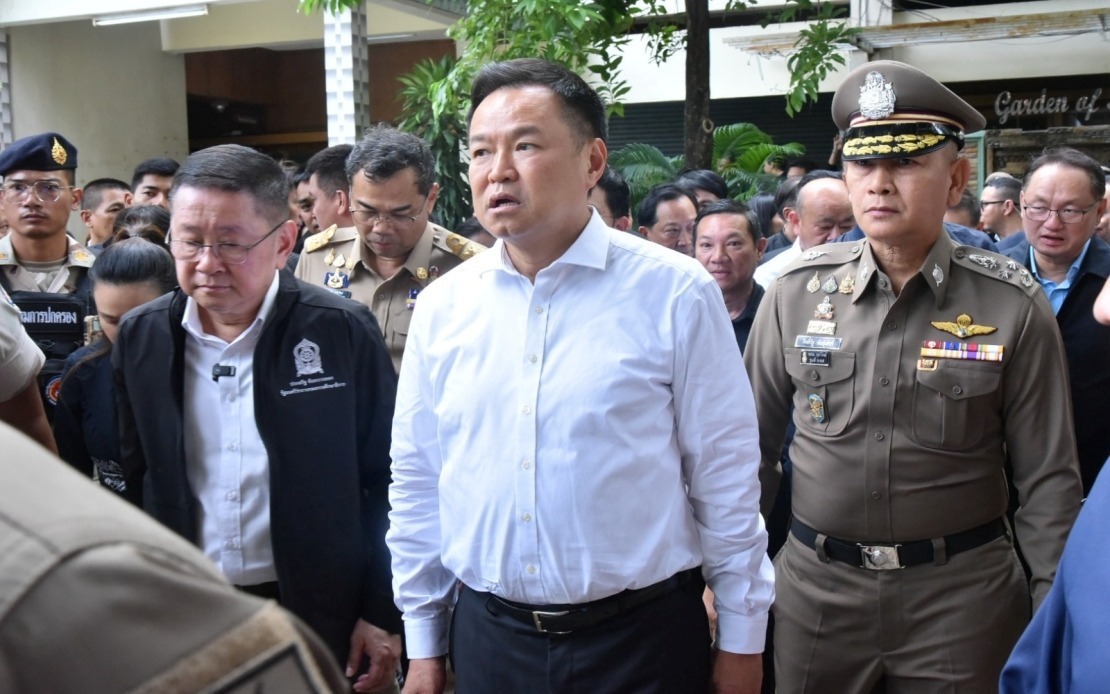
Thailand's government has moved swiftly to tighten gun regulations following a devastating shooting incident at a Bangkok school. Prime Minister Anutin Charnvirakul, who also holds the interior portfolio, committed on Friday to implementing new firearm control measures after a gunman opened fire at Debsirin Nonthaburi School, resulting in seven deaths and injuring twenty-one others.
The shooting occurred at approximately 10 am on Friday when a fourteen-year-old student of the school commenced firing inside the premises. The rampage claimed the lives of three teachers and three students, with the suspected shooter subsequently found deceased at the school site. The incident has prompted immediate governmental action to prevent similar occurrences in the future, highlighting growing concerns about civilian access to weapons in public spaces.
The prime minister's proposed framework centres on restricting civilian firearm possession significantly. Under the new regime, only government officials actively engaged in official duties would be permitted to carry weapons. The measures represent a substantial departure from current practice, as ordinary citizens are already technically prohibited from bearing arms outside their residences or in public areas under existing legislation. However, Anutin acknowledged the need for enforcement mechanisms to ensure compliance with these regulations.
Anutin visited the school immediately following the incident to receive detailed briefings from Royal Thai Police officials regarding the circumstances surrounding the shooting. During this visit, he articulated his commitment to preventing future incidents through legislative and enforcement changes. Significantly, he stated that police checkpoint operations would henceforth include systematic searches for firearms, with individuals discovered carrying weapons facing prosecution. This enforcement-focused approach complements the regulatory measures designed to restrict civilian access.
While the prime minister outlined the general direction of the proposed legislation, he refrained from releasing comprehensive details about the new law's specific provisions. Notably absent was clarification regarding whether ownership requirements for legally-held firearms would become more stringent, or whether existing firearm licensees would face new compliance obligations. This lack of specification has left open questions about the precise scope and implementation timeline for the reforms.
Regarding school security protocols, Anutin indicated that the Education Ministry would implement additional safeguards to restore parental confidence in school environments. However, he demonstrated caution about potential security theatre measures, notably expressing scepticism about deploying X-ray screening equipment at school entrances. His comments suggest the government intends to pursue targeted security enhancements rather than invasive screening procedures that might disrupt normal educational functioning or create psychological distress among students.
The school shooting represents a rare but highly visible incident of gun violence in Thailand, a country where civilian firearm ownership is regulated but not entirely prohibited. The incident has galvanised political attention and ministerial action at the highest levels, reflecting the severity with which Thai leadership views threats to educational institutions. Schools occupy a particularly sensitive position in public consciousness, and incidents within these spaces generate disproportionate political urgency compared to shootings occurring elsewhere.
For Malaysian policymakers and security professionals, Thailand's response offers relevant lessons regarding firearm regulation and school safety governance. Malaysia has similarly restrictive gun laws, yet school security remains an ongoing policy consideration. The Thai experience demonstrates how even countries with stringent firearms restrictions may experience sporadic high-profile incidents, suggesting that regulatory frameworks alone prove insufficient without complementary enforcement mechanisms and security infrastructure.
The eight critically injured victims hospitalised following the incident represent the most vulnerable survivors, with their medical outcomes yet uncertain. The broader group of twenty-one injured individuals faces recovery periods and potential long-term physical or psychological consequences. These human dimensions underscore the real-world impact of firearm violence on families, school communities, and healthcare systems.
Anutin's commitment to discussing the legislative proposals with Thailand's national police chief indicates that implementation will require inter-agency coordination between interior and law enforcement departments. Such coordination mechanisms prove essential for ensuring that proposed regulations receive practical operationalisation and do not remain purely theoretical frameworks. The consultation process will likely shape the final form of legislation, potentially refining or expanding the initial conceptual approach outlined by the prime minister.
The incident raises broader questions about youth access to firearms and the psychological factors contributing to school-based violence. While Thailand has launched an immediate policy response focused on regulatory tightening and enforcement, underlying prevention efforts addressing youth mental health, crisis intervention, and conflict resolution may require longer-term developmental consideration. Regional governments across Southeast Asia continue grappling with balancing public safety imperatives against civil liberties and practical governance constraints.

