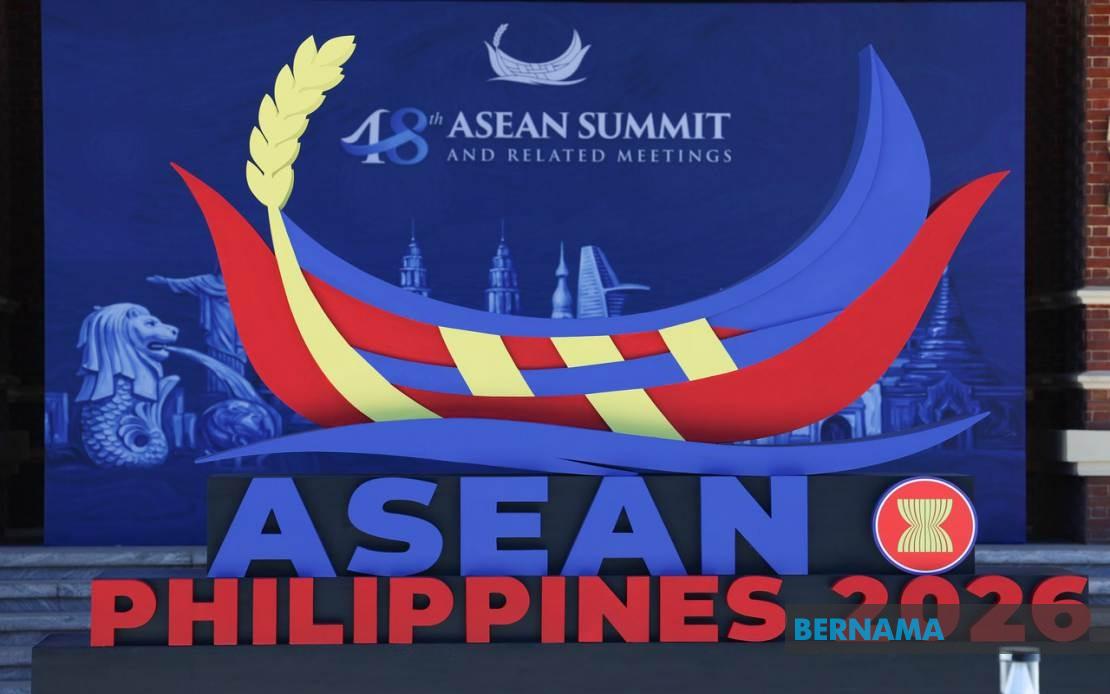
Thailand is preparing to convene two separate informal gatherings of ASEAN Foreign Ministers focused on Myanmar this Sunday in Bangkok, underscoring the regional bloc's determination to strengthen diplomatic channels with the troubled nation. The dual meetings reflect ASEAN's evolving approach to one of Southeast Asia's most pressing political crises, balancing its commitment to non-interference with the urgent need for constructive engagement on the ground.
The two sessions—an Informal Meeting of ASEAN Foreign Ministers with Myanmar's Foreign Minister and an Extended Informal Consultation on Myanmar—represent a carefully calibrated diplomatic manoeuvre. According to Maratee Nalita Andamo, Deputy Spokesperson for Thailand's Foreign Ministry, the Philippines will chair the proceedings in its capacity as the current ASEAN chair, while Thailand assumes the hosting role. This arrangement allows for multilayered discussions without the formality that might constrain candid exchanges among regional partners grappling with a volatile situation.
At the heart of these consultations lies ASEAN's Five-Point Consensus, a framework adopted in April 2021 that attempts to chart a path toward stability in Myanmar. The agenda will focus on concrete mechanisms for implementing this consensus more effectively, moving beyond rhetoric toward tangible actions that might encourage positive developments within Myanmar itself. For Southeast Asian nations, the stakes are considerable—Myanmar's instability reverberates across borders through refugee flows, security concerns, and broader regional fragmentation.
Maratee emphasised that these informal meetings serve as a crucial platform for meaningful dialogue on Myanmar's complex situation. By characterising the gatherings as consultations rather than formal decision-making forums, Thailand and the Philippines have created space for frank discussions that can explore nuanced positions without locking participants into official statements. This approach recognises that some of the most productive diplomacy occurs when ministers can speak candidly about obstacles and opportunities without immediate public scrutiny.
The deliberate informality of the meetings carries particular significance for how ASEAN manages its internal consensus. Myanmar remains a deeply divisive issue, with member states holding divergent views on appropriate pressure and engagement tactics. By framing these sessions as consultations, ASEAN preserves its official position while allowing individual nations to explore potential pathways forward. This balancing act has become essential to maintaining the bloc's coherence amid serious policy disagreements.
Expected attendees include Philippine Secretary for Foreign Affairs Maria Theresa Lazaro, Thailand's Foreign Minister Sihasak Phuangketkeow, and Myanmar's Foreign Minister U Tin Maung Swe. The presence of Myanmar's top diplomat signals willingness from Naypyidaw to engage with regional peers, though the junta has frequently resisted ASEAN pressure on governance and human rights issues. The composition of delegations and final attendance figures remain fluid, reflecting the sensitive nature of Myanmar's participation in regional forums.
For Malaysia and other Southeast Asian nations, these meetings carry broader implications. The region has invested considerable diplomatic capital in the Five-Point Consensus, yet implementation has proven frustratingly difficult. Myanmar's military leadership has not demonstrated the political will to meet its commitments, leaving ASEAN struggling to maintain credibility while avoiding the appearance of either impotence or heavy-handedness. Thailand's initiative to host these consultations suggests determination to sustain momentum, even if tangible breakthroughs remain elusive.
Maratee stressed that these informal consultations do not constitute any shift in ASEAN's established positions regarding Myanmar. This clarification is essential for managing regional expectations and preventing misinterpretation. Some member states worry that informal engagement might be construed as tacit acceptance of the junta's authority or abandonment of pressure for democratic restoration. By explicitly stating that the meetings do not alter ASEAN decisions, Thai officials have attempted to preempt such concerns.
Significantly, no official outcome document will be released following the discussions. This absence is telling—it suggests that the primary value lies in process and dialogue rather than producing joint statements that might constrain individual governments or prove impossible to agree upon. For a bloc struggling to maintain unity on Myanmar, the freedom to converse without binding each participant to formal language offers genuine diplomatic utility.
These meetings also reflect recognition among ASEAN capitals that the current approach requires recalibration. The Five-Point Consensus, while well-intentioned, has struggled to produce measurable results in Myanmar's political trajectory. By convening informal consultations, ASEAN aims to refresh its engagement strategy and explore whether modified tactics might prove more effective at encouraging the junta toward constructive behaviour. Thailand's hosting role positions it as a pragmatic facilitator, seeking solutions without ideological rigidity.
The consultation process reveals how ASEAN attempts to operationalise its principle of non-interference while responding to humanitarian and security imperatives. Myanmar's civil conflict has generated regional refugees, disrupted trade, and created ungoverned spaces exploited by transnational criminal networks. These realities compel ASEAN engagement despite doctrinal preferences for minimal interference in member states' internal affairs.
Moving forward, the outcomes of these Bangkok meetings will likely shape ASEAN's Myanmar strategy for months ahead. Whether the discussions yield creative approaches to the Five-Point Consensus or merely reaffirm existing positions remains to be seen. For Malaysian policymakers and other regional observers, these informal consultations deserve close attention as indicators of whether ASEAN can evolve its Myanmar engagement into something more productive than the current stalemate.

