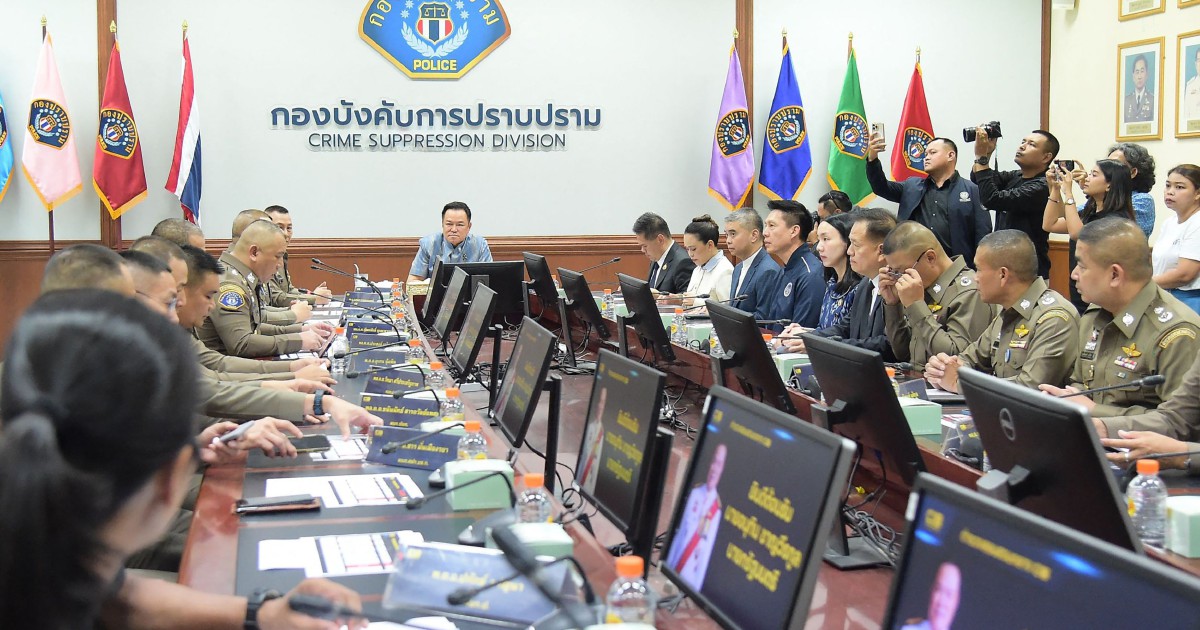
Thailand is preparing to suspend nearly 6,000 civil servants in connection with a sprawling examination fraud case that has exposed serious vulnerabilities in the country's civil service recruitment and selection processes. Officials announced the mass disciplinary action on Thursday as investigators continued to broaden their inquiry into what authorities characterize as systematic cheating that compromised the integrity of public sector recruitment. The growing scandal has already resulted in three arrests, signalling a determined governmental response to rooting out the misconduct.
The discovery of widespread examination irregularities marks a significant blow to Thailand's civil service credibility at a time when public confidence in government institutions remains fragile. For Malaysia and other Southeast Asian nations that maintain similar bureaucratic systems, the Thai case serves as a cautionary tale about the institutional safeguards needed to protect competitive examination processes from manipulation. Civil service examinations are intended as meritocratic gateways ensuring that capable and honest individuals enter public administration, making their integrity essential to effective governance.
The Thai authorities initiated their investigation following initial reports of cheating during civil service entrance examinations. Rather than treating the matter as isolated incidents, investigators determined that the problem was far more pervasive than initially suspected. The three individuals arrested so far are believed to have played central roles in either facilitating the cheating or administering examinations without adequate oversight. Their detention represents the investigative authorities' first significant enforcement actions, though prosecution processes typically move slowly in Thai courts.
The decision to suspend approximately 6,000 officials suggests that cheating implicated individuals across multiple examination sessions or batches of recruits. Suspensions serve as an intermediate disciplinary measure pending formal investigations into individual culpability. Not every suspended official may ultimately face permanent dismissal; some may be cleared, while others could face stronger penalties including criminal charges. The scale of suspensions indicates that authorities are casting a wide net to ensure that no perpetrators escape accountability through administrative gaps.
Investigators are reportedly widening their probe to examine how such systematic cheating occurred within what should have been controlled examination environments. Questions are mounting about whether examination invigilators failed in their supervisory duties, whether answer keys were compromised, or whether officials colluded with test-takers to facilitate irregular advantages. These inquiries will likely reveal systemic organisational weaknesses that extend beyond individual misconduct to institutional failings in oversight and accountability mechanisms.
The scandal arrives during a period of broader institutional reform discussions in Thailand. The country has undergone significant constitutional changes in recent years, and civil service modernisation remains on the policy agenda. This examination fraud case provides uncomfortable evidence that bureaucratic reform cannot rely solely on new regulations; it requires genuine institutional culture change and robust monitoring systems. Authorities must demonstrate that they can detect and punish misconduct, thereby deterring future violations.
For civil service systems across Southeast Asia, the Thai experience underscores why examination integrity matters profoundly. When officials enter the bureaucracy through fraudulent means, they carry that ethical compromise throughout their careers. Dishonest individuals in administrative roles may later engage in corruption, nepotism, or other misconduct that undermines public trust and service delivery. Protecting examination integrity at recruitment stage is therefore an investment in long-term governance quality.
The investigation's expansion suggests that authorities are pursuing leads pointing toward more individuals or structural problems than were initially apparent. This phased investigative approach is sensible, as moving too quickly with charges risks omitting crucial evidence or missing connections between participants in the cheating network. However, the process also creates a period of uncertainty for the suspended officials, who remain in a kind of administrative limbo until formal determinations are made regarding their individual culpability.
Thailand's response demonstrates willingness to address examination fraud at scale, which is encouraging for public sector credibility. However, observers will be watching whether prosecutions ultimately proceed against higher-level officials who may have enabled or overlooked the cheating. Scandals sometimes prove most damaging when they reveal that enforcement is selective or that persons in authority escaped consequences that lower-ranking officials faced. Equitable justice application will be crucial for restoring confidence in the civil service and its systems.
The ramifications extend beyond Thailand's borders, as civil service systems throughout Southeast Asia operate under similar pressures and face comparable risks of integrity breaches. Malaysia, which maintains rigorous civil service examination standards through institutions like the Malaysian Civil Service Commission, observes Thai developments with professional interest. The Thai scandal reinforces the importance of continuous vigilance, modern surveillance technologies in examination halls, and transparent audit procedures for all recruitment processes.

