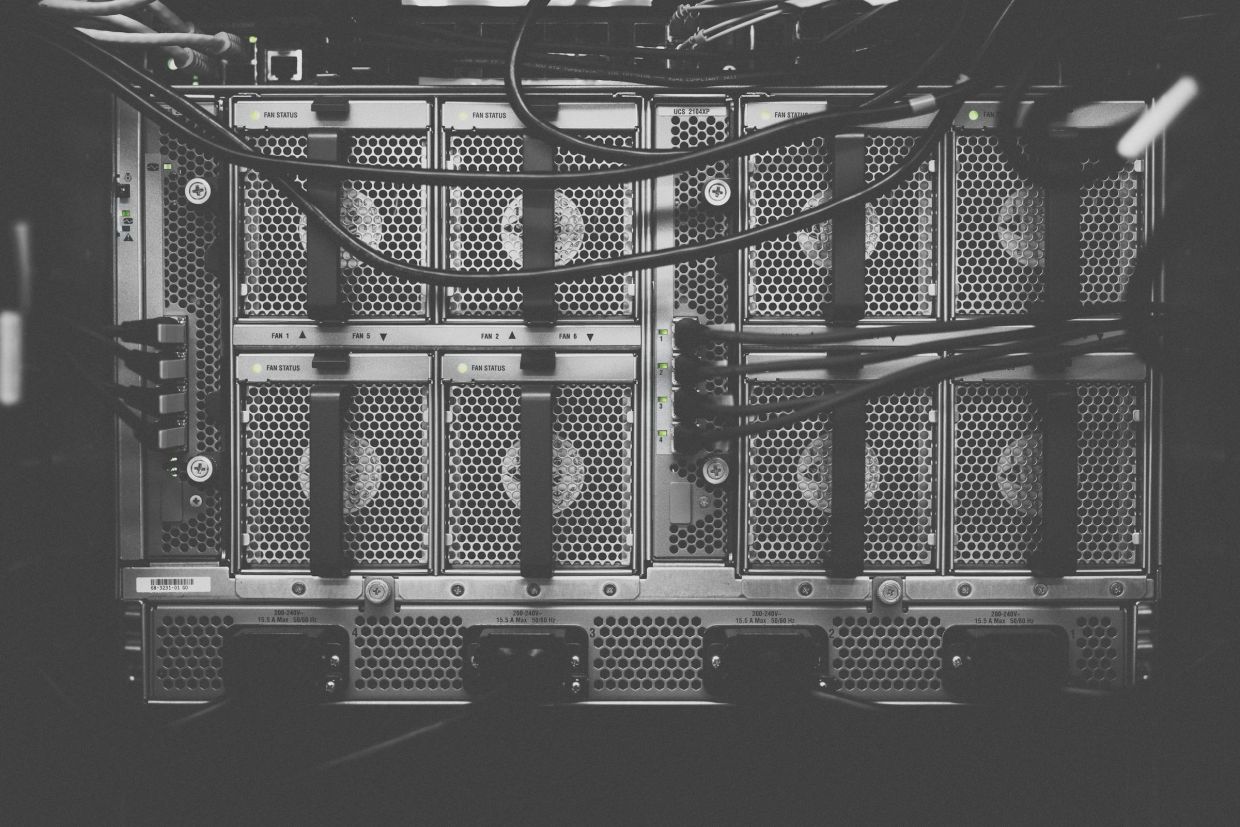
The artificial intelligence revolution has a soundtrack that many wish they could silence. For residents living within earshot of data centres powering the cloud economy, the experience resembles the perpetual rumble of industrial machinery—a low-frequency thrum reminiscent of air-conditioning units, overhead aircraft or idling truck engines that never stops. But this constant vibration goes far beyond mere annoyance. It has become a source of genuine physical distress and legal conflict, as communities across North America grapple with an unprecedented wave of infrastructure that their existing regulatory frameworks were never designed to handle.
The proliferation of data centres reflects the explosive growth trajectory of artificial intelligence and cloud computing. The United States now operates more than 3,000 data centres with an additional 1,500 in development, according to analysis by the Pew Research Center. These sprawling industrial complexes—vast warehouses filled with thousands of servers and processing chips—form the backbone of the modern information economy. They operate continuously, processing billions of operations daily and storing staggering volumes of data. Yet unlike traditional industrial facilities, data centres have expanded into closer proximity to residential neighbourhoods, often in repurposed manufacturing sites in smaller cities seeking economic revitalisation.
The fundamental challenge lies in the physics of data centre operations. The massive computing infrastructure generates tremendous heat that must be dissipated constantly to prevent equipment failure. Enormous industrial-grade cooling fans run perpetually, drawing air through the facilities. Many centres also depend on diesel-powered generators to supplement grid electricity, particularly during peak demand periods when the electrical infrastructure cannot independently support the enormous power consumption. The acoustic footprint created by this combination of technologies is categorically different from the industrial noises that local zoning ordinances were originally designed to regulate, according to Les Blomberg, executive director of the nonprofit Noise Pollution Clearinghouse.
The problem becomes more complex when considering infrasound—ultra-low-frequency sound waves below the threshold of conscious human hearing. Rather than hearing these frequencies, residents physically experience them as pressure fluctuations that resonate through their bodies, similar to feeling the bass vibrations from a subwoofer at high volume. According to Scott Hamilton, a consultant on data centre projects and member of the Acoustical Society of America, this distinction means that traditional noise measurement and mitigation strategies prove inadequate. People cannot easily identify or describe the source of their discomfort, yet they experience measurable health consequences.
The health impacts reported by residents living near active data centres are significant and well-documented. Individuals frequently report chronic sleep deprivation and insomnia, persistent headaches, sensations of internal ear pressure, and elevated anxiety levels. These symptoms are not isolated complaints but rather represent a growing pattern as data centres multiply and expand. The difficulty lies partly in proving causation—regulators and companies can point to noise measurements within ostensible legal limits while residents suffer genuine physiological effects. This disconnect between regulatory standards and lived experience has created fertile ground for legal confrontation.
The regulatory landscape has failed to evolve alongside technological change. Noise pollution in North America remains regulated primarily through local zoning ordinances and municipal codes written decades ago to address conventional neighbourhood disturbances—loud parties, barking dogs, or temporary construction activity. These rules were never conceived to govern the continuous, relentless hum of industrial facilities operating 24 hours daily. At the federal level, the situation is even more dire. The Environmental Protection Agency's Office of Noise Abatement and Control was defunded during the Reagan administration in the early 1980s, eliminating any coordinated federal approach to noise pollution regulation.
This regulatory vacuum creates a perverse situation where communities must rely entirely on local enforcement of outdated ordinances, often with minimal expertise or resources. As Richard Neitzel, a professor of environmental health sciences at the University of Michigan, notes, the EPA nominally maintains noise regulations but lacks the institutional capacity to enforce them. The ideological hostility toward environmental regulation that characterised the Reagan era persists in many jurisdictions, leaving residents with few recourse options beyond costly litigation. Companies can typically navigate local zoning frameworks while causing genuine harm to surrounding populations—a classic externality problem where costs are borne by communities rather than corporate operators.
Three separate lawsuits filed by affected residents signal a shift toward direct legal action. In Vineland, New Jersey, homeowners have initiated federal court proceedings against DataOne USA, a data centre operator expanding its local campus. The suit details the experience of residents living near three server rooms already operational, with plaintiffs describing constant machinery noise most pronounced during nighttime hours when seeking sleep. One resident, Stefanie Bartiromo, characterised the noise as resembling a helicopter hovering motionless or a heavy-duty truck running continuously without interruption. When fully completed, the DataOne Vineland campus will occupy 2.6 million square feet and demand 300 megawatts of electrical power—sufficient to supply a medium-sized city's entire energy consumption.
The legal strategy pursued by plaintiffs addresses the gap between zoning compliance and livability. While data centres typically satisfy basic zoning requirements and local codes, these regulations fail to account for the qualitative impact on property values and the fundamental right to quiet enjoyment of one's home. The suits seek compensation for documented property depreciation directly attributable to noise pollution and demand enhanced sound management measures from operators. DataOne has responded by emphasising its existing noise reduction efforts and commitment to additional improvements, while simultaneously highlighting the economic benefits the expansion will generate through job creation and community development.
Similar conflicts have emerged in other communities across North America. Residents in Dowagiac, Michigan have contested a 30-megawatt data centre installed in a former warehouse previously used for boat and recreational vehicle storage. Another case involves residents in Lowell, Massachusetts challenging a comparable facility. In each instance, companies justify the noise-generating infrastructure by pointing to economic development benefits—employment opportunities, tax revenue, and the revitalisation of abandoned industrial sites. This fundamental tension between economic growth and quality of life reflects broader regional challenges, particularly in smaller communities struggling with disinvestment and seeking to attract any significant business operation.
The expansion of data centre infrastructure remains inevitable given the relentless global demand for computing power and cloud services. However, the current regulatory framework ensures that nearby communities will bear concentrated costs while diffuse national benefits flow elsewhere. Southeast Asian nations watching this conflict unfold should take note, as data centre construction is accelerating across the region. Malaysia, Singapore, and other ASEAN countries are becoming attractive sites for data centre investment due to relatively lower costs, available land, and positioning as Asia-Pacific hubs. Without proactive regulatory reform now, countries risk importing the same pattern of inadequate protections that has created conflict in North America.
Resolution will require coordinated action across multiple levels of governance. Local zoning ordinances must evolve to specifically address modern industrial facilities and infrasound impacts. Federal or national governments need to establish science-based acoustic standards rather than generic noise thresholds developed for completely different purposes. Importantly, regulatory frameworks should require operators to conduct comprehensive acoustic impact assessments before approval and to implement state-of-the-art sound mitigation technologies. Companies profiting from data centre operations should bear the full costs of mitigation rather than externalising acoustic impacts onto surrounding residents. Without such reforms, legal battles will multiply as communities increasingly refuse to sacrifice environmental quality for economic development that primarily enriches distant shareholders.

