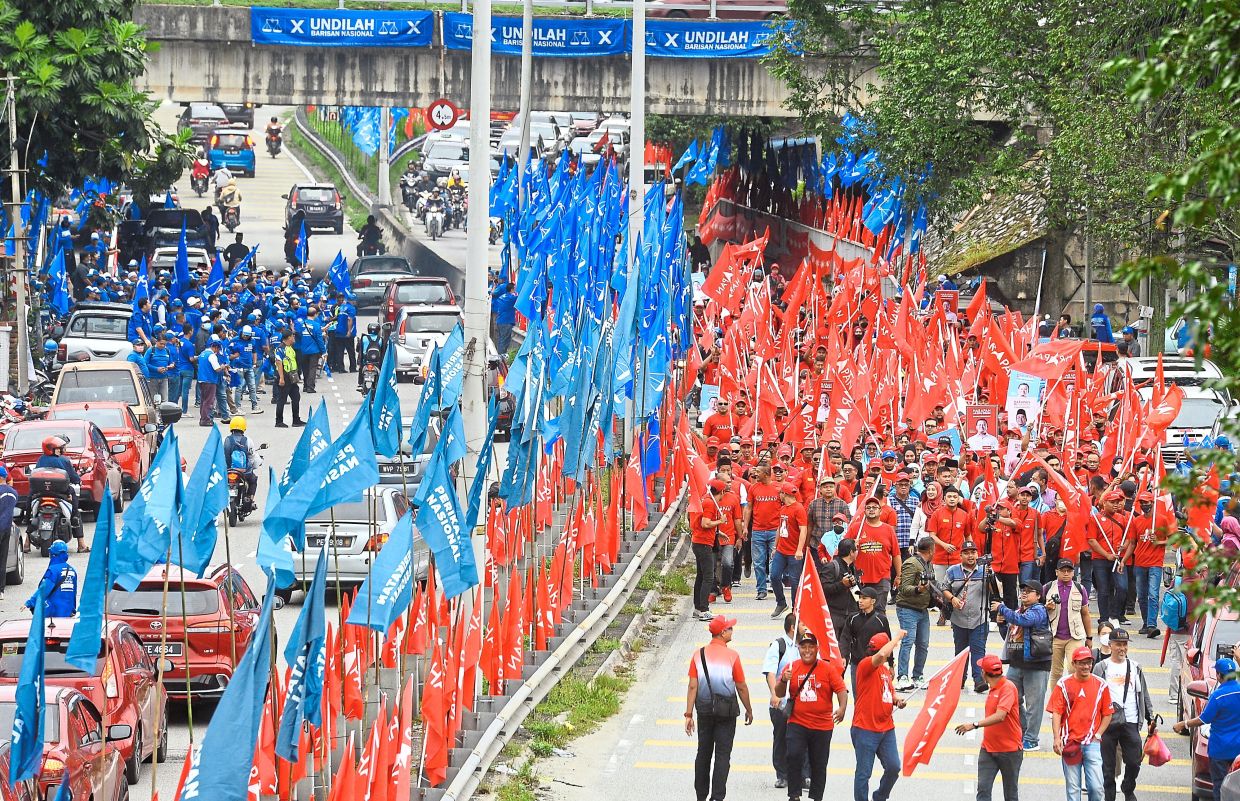
The prospect of electoral contests transforms Malaysia's political landscape into a breeding ground for anxiety, affecting not only those seeking office but millions of ordinary citizens watching from the sidelines. With the Johor and Negri Sembilan state elections approaching in 2026, alongside rumours of imminent national polls, Malaysians are entering a period of heightened emotional turbulence that will test their psychological resilience and reshape social dynamics across households, workplaces and digital platforms.
For politicians themselves, the electoral cycle presents a cascade of emotional challenges that begin long before campaign season officially opens. Many contenders first face the uncertainty of nomination—not knowing whether their party will endorse them to contest—a period of suspended anxiety that can undermine confidence and destabilise personal relationships. Once nominated, candidates encounter a different psychological burden: the very real prospect of electoral defeat. For incumbents and established figures, this fear extends beyond mere disappointment; it encompasses loss of status, diminished influence, tarnished reputation and potential derailment of political careers that may have taken decades to build.
The campaign period itself intensifies these pressures through deprivation of basic human needs. Sleep deprivation, accumulated fatigue and elevated irritability become standard features of a candidate's existence as they traverse constituencies, attend public events and manage media relations simultaneously. Social media amplifies this psychological stress by circulating unverified allegations and sensationalised stories designed to damage reputations. The relentless digital assault creates an environment where candidates cannot control their public narrative, surrendering agency to algorithms and anonymous critics.
Despite these formidable obstacles, Malaysian politicians have historically demonstrated remarkable psychological fortitude, marshalling inner reserves to perform effectively even under crushing pressure. This resilience reflects both personality trait and cultural conditioning—the expectation that public figures maintain composure and project confidence regardless of internal turmoil. Yet even this special breed cannot entirely escape the physiological consequences of prolonged stress.
The electoral anxiety extending beyond the political class, however, affects the broader Malaysian electorate with measurable consequences for public mental health. Constant media saturation, dinner table arguments, workplace debates and social media skirmishes create an omnipresent political background radiation that elevates collective stress levels. Voters grapple not merely with abstract policy questions but with genuine uncertainty about how election outcomes might alter their economic circumstances, employment prospects, and social stability. This existential dimension transforms elections from civic exercises into personal threats.
The complexity of Malaysia's contemporary political landscape intensifies voter anxiety in distinctive ways. The proliferation of political parties, shifting alliances, confusing electoral permutations and strategic realignments challenge voters' ability to make informed decisions. What once appeared as straightforward ideological competition now presents as a bewildering maze where yesterday's rivals become today's coalition partners, and established power structures dissolve into fluid arrangements. This instability disorients voters accustomed to clearer political hierarchies, generating a sense of helplessness that compounds election-related stress.
When political identity becomes inseparable from personal identity, electoral competition transcends policy disagreement and ventures into territory where political opposition feels like personal rejection. Supporters who invest emotional energy in political movements experience victories and defeats with disproportionate intensity. When their preferred party loses, supporters internalize the outcome not as a democratic verdict but as personal humiliation, creating resentment that poisons relationships with family members, colleagues and friends holding differing political views. This tribal polarization transforms elections into zero-sum contests where coexistence becomes psychologically difficult.
The stress response triggered by election anxiety activates primitive neurological systems that evolved for physical survival rather than modern political competition. The autonomic nervous system releases adrenaline and cortisol—stress hormones designed to enable fight-or-flight responses—flooding the body with compounds that increase heart rate, constrict blood vessels and elevate blood sugar. Sustained elevation of these hormones carries genuine health consequences: heightened cardiovascular risk, immunological suppression, metabolic disruption and cognitive impairment. The amygdala, the brain's emotional command centre responsible for processing fear and memory, becomes hypersensitive during periods of sustained stress, triggering irrational or disproportionate emotional responses to ordinary stimuli.
While Malaysia lacks comprehensive research documenting election-related anxiety and its health impacts on the local population, international evidence confirms the phenomenon's universality. Britain's 2019 general election saw one in three voters reporting deteriorated mental wellbeing due to election-related uncertainty. The United States witnessed 56 percent of adults identifying the 2024 presidential elections as a significant stressor in their lives. These findings suggest that Malaysian voters likely experience comparable psychological burdens as their democratic commitments intensify.
A noteworthy feature of Malaysian political culture, however, distinguishes the nation from more polarized democracies: the rapid social reintegration that follows election day. The rancour, negativity and vituperative campaign rhetoric that characterise the pre-election period dissipate remarkably quickly once votes are cast. Political rivals and their supporters resume normal social relations, often greeting each other with genuine warmth despite having occupied opposing camps days earlier. This cultural capacity for post-electoral reconciliation suggests that Malaysian election anxiety, while real and physiologically consequential during campaign periods, lacks the permanence that characterises electoral stress in more deeply divided societies.
Understanding election anxiety requires recognising that voter behaviour and emotional responses reflect not merely rational policy evaluation but complex interactions between personality predisposition, historical experience and present circumstances. Personality traits that influence political affiliation—openness to change, conscientiousness regarding duty, sensitivity to threat—also shape vulnerability to election-related stress. Voters guided primarily by gratitude toward incumbents or civic consciousness about democratic participation experience different emotional trajectories than those motivated by fear of government policy shifts or identity-based concerns. The millions of registered voters approaching the 2026 state elections and anticipated national polls likely encompass this full spectrum of motivations, each group experiencing the electoral process through distinct psychological lenses shaped by personal history and temperament.

