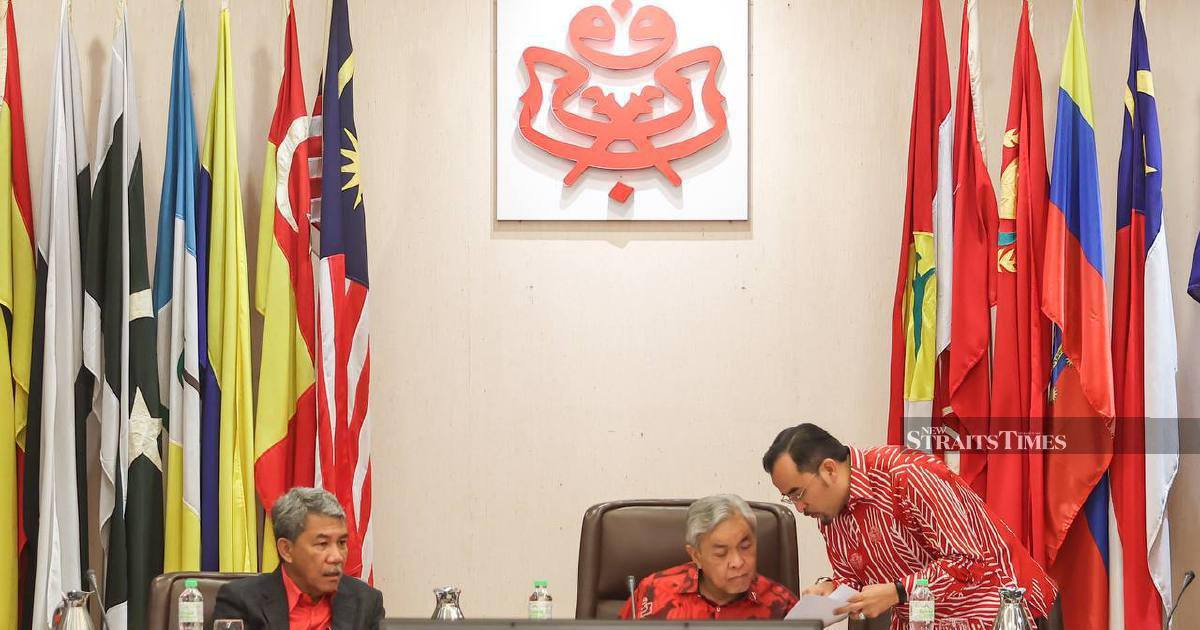
Umno secretary-general Datuk Dr Asyraf Wajdi Dusuki has underscored the importance of maintaining the legal presumption of innocence for individuals in detention during investigations, cautioning against rushing to judgment before the courts have reached a verdict. The stance reflects broader concerns within Malaysia's political establishment about ensuring due process and protecting fundamental rights during what can be lengthy investigative periods.
The distinction between investigative detention and conviction remains a critical pillar of Malaysia's legal framework, though in practice the period between arrest and trial can profoundly affect public perception and personal circumstances. Those remanded by authorities, whether by the police, anti-corruption bodies, or other investigating agencies, occupy a particularly vulnerable position where media attention and political commentary can create lasting reputational damage independent of judicial outcome.
Asyraf's comments carry particular resonance given Malaysia's recent history with high-profile investigations and detentions spanning multiple months or years. The country has witnessed numerous cases where individuals held for questioning faced extensive media scrutiny and public speculation, only to be acquitted or released without conviction. This pattern has prompted growing calls from civil society organisations, legal practitioners, and political figures across the ideological spectrum to distinguish sharply between the investigative phase and final judicial determination.
The Malaysian legal system technically enshrines this principle through established conventions recognising the presumption of innocence as a cornerstone of natural justice. However, translating this theoretical protection into practical reality has proven challenging, particularly when high-ranking officials or prominent business figures face detention. The interplay between investigative secrecy, public interest in transparency, and the individual's right to reputation creates ongoing tension within the justice system.
Investigative detention serves legitimate state purposes, enabling authorities to preserve evidence, prevent witness tampering, and establish facts relevant to potential criminal charges. Yet these objectives must be balanced against the individual's fundamental rights to liberty and protection from prejudicial treatment. The period of detention, which can extend for weeks or months depending on the complexity and nature of allegations, creates circumstances where individuals have limited ability to defend their public standing or counter claims made during investigations.
Media outlets face their own editorial responsibilities when covering cases involving detained individuals. While legitimate public interest exists in understanding high-profile investigations, particularly those involving allegations of corruption or crimes affecting governance, responsible reporting must distinguish between investigative developments and guilt. The line between informing the public and prejudicing fair trial remains perpetually contested in Malaysia's media landscape, where commercial pressures toward sensationalism sometimes overwhelm journalistic principles.
Political actors themselves have struggled with observing appropriate boundaries when discussing cases under investigation. Statements by party leaders, government ministers, and opposition figures can amplify public perception of guilt regardless of actual evidence. Asyraf's intervention thus serves not only as a legal principle but as a subtle reminder to political colleagues to exercise restraint in commentary about individuals facing investigative detention.
The practical implications extend beyond abstract legal principle into real consequences for employment, family relationships, and personal wellbeing. Individuals detained for investigation frequently lose their livelihoods, face social ostracism, and experience psychological strain during the investigative period. Should they ultimately be acquitted or released, society often extends only limited rehabilitation of their reputation. This asymmetry raises questions about whether current protections adequately safeguard dignity and livelihood rights during investigative phases.
Malaysia's experience with several controversial detentions in recent years has also heightened international scrutiny regarding due process standards. International human rights organisations have occasionally raised concerns about investigative practices, detention conditions, and fair trial guarantees. Statements like Asyraf's, while seemingly addressing domestic legal principles, also serve to reinforce Malaysia's commitment to fundamental rights protections valued by international partners and observers.
Civil liberties advocacy groups have long advocated for strengthening protections during investigative detention, including clearer timelines for investigative periods, enhanced bail provisions, and restrictions on prejudicial public statements by officials. Some regional jurisdictions have implemented more stringent safeguards limiting the length of investigative detention without formal charges or establishing rights to legal representation during police questioning.
The alignment of Asyraf's position with established legal doctrine suggests broader recognition within Malaysia's political leadership that investigative processes require careful handling to maintain public confidence in judicial institutions. When authorities or political figures appear to prejudge outcomes, even subtly, they risk delegitimising the entire investigative and judicial process. Conversely, conscientious respect for presumption of innocence strengthens public perception of institutional fairness.
Moving forward, translating this principle into consistent practice across all cases regardless of the individual's political affiliation or social status represents an ongoing challenge. The test of Malaysia's commitment to this fundamental right will ultimately lie in how consistently authorities and public figures respect the distinction between investigation and guilt, and in whether the justice system adequately protects individuals during the vulnerable investigative phase.

