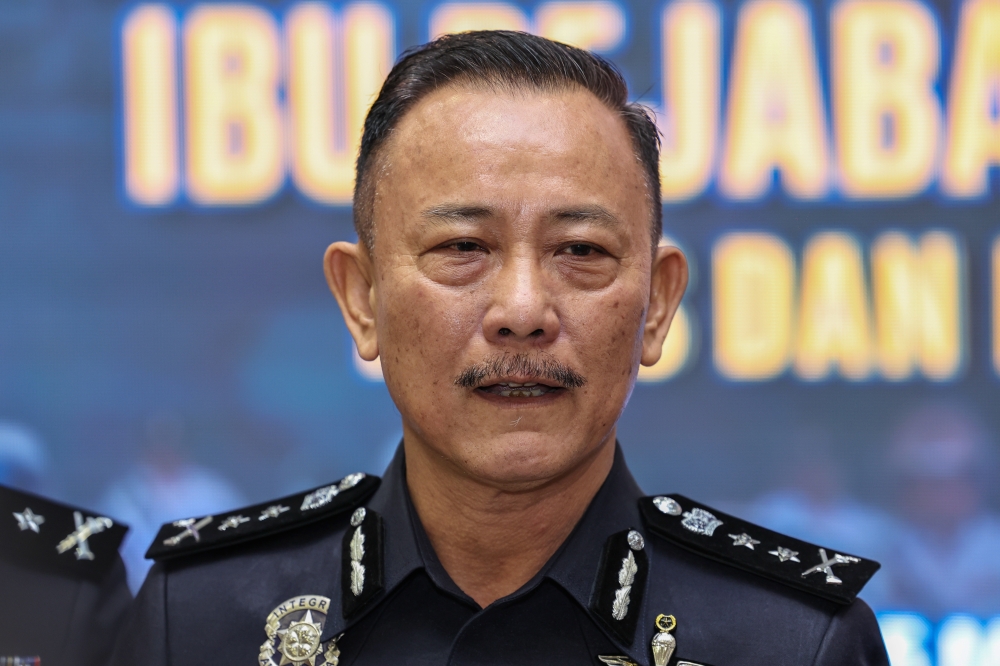
Authorities in Johor Bahru have taken three men into custody as part of their investigation following the recovery of a deceased person from a river in the state. The development comes after an intensive search for the missing individual, whose body was subsequently discovered in the waterway, prompting police to escalate their inquiry into the circumstances surrounding the death.
The arrests represent a critical turning point in what began as a missing person case but has now evolved into a potential criminal investigation. Police have not yet disclosed the specific charges or the nature of the suspected offences that prompted the detentions, though the involvement of multiple suspects suggests investigators are pursuing leads related to the circumstances that led to the person's death.
Families of missing persons in Malaysia often face agonizing delays before receiving clarity about their loved ones' fates. The discovery of the body in this case, while tragic, provides some closure to those awaiting news. The recovery operation itself highlights the ongoing challenges that water-based search missions present to law enforcement agencies across the country, which must coordinate with dive teams and local emergency services in difficult environmental conditions.
The swift nature of the arrests following the body's discovery indicates that police possessed substantive leads or witness information that pointed toward specific individuals. Whether these three men were known to the deceased, involved in any preceding conflict, or identified through forensic or circumstantial evidence remains unclear pending further official statements from the investigating officers.
Johor has experienced its share of high-profile cases that have captured public attention and raised awareness about personal safety concerns. The state's location as a major commercial hub and its dense population in certain districts create both investigative challenges and opportunities for law enforcement, as greater foot traffic can mean more potential witnesses but also more complex crime scenes.
The investigation will likely involve detailed examination of the body to determine the cause of death, evidence collection from the recovery site, and interviews with the detained individuals. Forensic analysis, toxicology reports, and any available CCTV footage from relevant locations may prove crucial in establishing whether foul play was involved or whether the death resulted from an accident.
Police procedures in Malaysia typically allow authorities to hold suspects for questioning for a specified period before charges must be filed. During this detention phase, investigators will seek to establish timelines, motive, and the precise sequence of events leading to the death. Any inconsistencies in statements or contradictions between suspects may strengthen the prosecution's case if criminal charges are ultimately pursued.
The involvement of multiple suspects raises questions about whether this was a premeditated act, a crime of passion, or an incident that spiralled from an altercation. Understanding the relationship dynamics between the deceased and the arrested individuals will be essential to the case's progression through the criminal justice system.
Missing person cases that conclude with the discovery of remains often generate significant public concern, particularly when arrests follow swiftly. Such cases can prompt broader community discussions about personal safety, reporting mechanisms for missing persons, and the effectiveness of police response protocols. Media coverage of these investigations also serves an important public interest function in maintaining transparency and confidence in law enforcement.
As investigations proceed, the focus will shift toward whether sufficient evidence exists to justify formal charges. The burden of proof in Malaysian courts requires that the prosecution demonstrate guilt beyond reasonable doubt, a standard that places significant emphasis on the quality and admissibility of evidence gathered during the initial investigation phase.
The coming weeks will likely reveal more details as the case develops through preliminary investigations and potential court appearances. The manner in which authorities handle the evidence and questioning of suspects will be scrutinized, particularly given the gravity of the allegations implied by the recovery of the body and the subsequent arrests.

