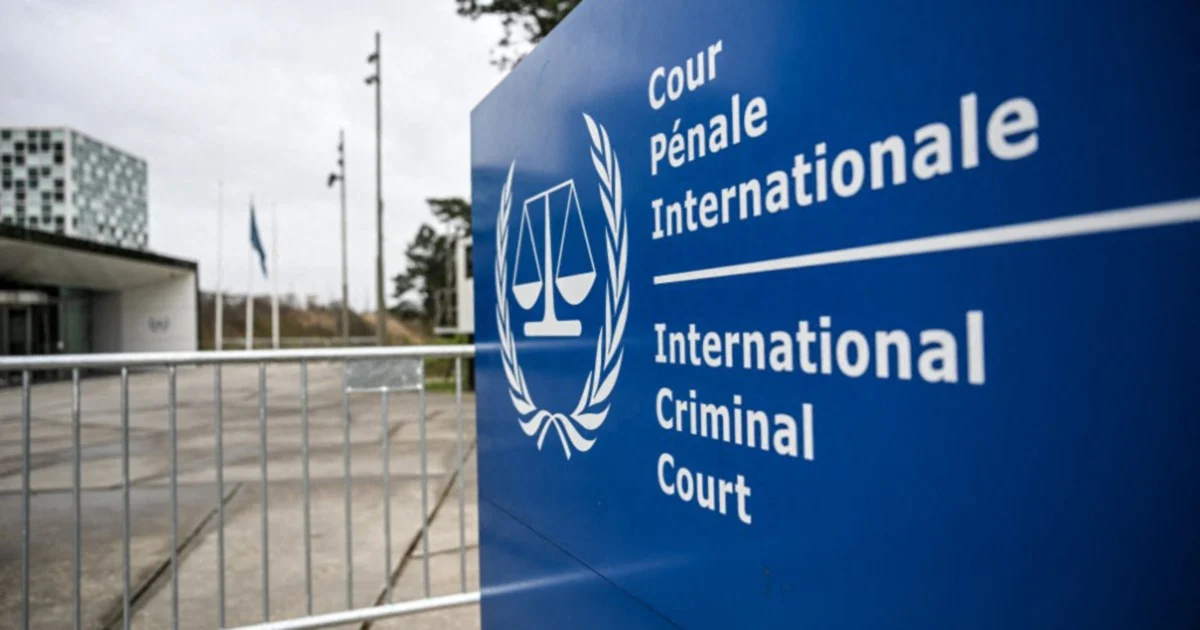
Three judges serving the International Criminal Court have initiated formal legal proceedings against President Donald Trump and other senior officials in the United States, challenging the legitimacy of economic sanctions imposed against them. The lawsuit, filed in a New York court on Wednesday, represents an escalation in tensions between Washington and the global judicial institution over restrictions the judges characterise as retaliatory and unprecedented in scope.
The sanctions at issue represent a dramatic assertion of American power over an international legal body operating beyond US jurisdiction. The Trump administration targeted the ICC judges as part of broader pressure against the court following its investigations into alleged crimes committed by American citizens and allies. This action signals a willingness to weaponise economic tools against foreign officials, even those serving multilateral institutions designed to uphold international law.
For Malaysia and other Southeast Asian nations committed to rules-based multilateralism, the dispute carries profound implications. The region has invested considerable diplomatic capital in supporting international institutions and legal frameworks that provide smaller nations protection against unilateral power politics. When powerful countries use economic coercion against judges investigating potentially serious allegations, it undermines confidence in these systems and creates uncertainty about whether international law applies consistently to all nations.
The judges argue the sanctions breach fundamental principles of judicial independence and violate international norms protecting officials serving in global institutions. Sanctioning judges specifically because they perform their official duties—investigating and potentially prosecuting cases—sets a troubling precedent. The legal challenge contends these measures are fundamentally at odds with the understanding that judges must operate free from political interference and economic retaliation. Such protection is considered essential for any functioning justice system, whether domestic or international.
The Trump administration's confrontation with the ICC reflects longstanding American ambivalence toward international institutions that it cannot control. The United States has never ratified the Rome Statute establishing the ICC, yet American actions abroad regularly fall within the court's potential jurisdiction. This structural tension has prompted Washington to view the court with suspicion and to take aggressive steps to protect perceived American interests. The sanctions represent one of the most direct attacks on institutional independence yet attempted by a major power.
From a Southeast Asian perspective, the lawsuit highlights how great power competition increasingly targets international institutions themselves. Countries in the region have seen how disputes can reshape the landscape of global governance, as powerful nations either strengthen or undermine the legitimacy of multilateral bodies depending on whether they serve their interests. The outcome of this legal challenge may influence how willing other nations are to defend the independence of international courts and tribunals.
The judges filing suit have characterised the sanctions as draconian and disproportionate to any alleged misconduct. They argue the measures fall outside the scope of lawful US authority and represent an improper exercise of extraterritorial power. The legal strategy involves appealing to American constitutional principles and international law to demonstrate that the sanctions cannot withstand judicial scrutiny. Success would vindicate the principle that even the most powerful governments remain subject to legal constraints.
The case also raises questions about the future of cooperation between the United States and the ICC. If the judges prevail, Washington may face pressure to reconsider its approach to the institution. If the judges lose, it could encourage further US actions against international bodies deemed unfriendly to American interests. Either outcome carries implications for how international law develops and whether institutions designed to protect human rights globally can maintain credibility and independence.
For Malaysian policymakers and legal scholars, the lawsuit underscores the vulnerability of international institutions to pressure from powerful states acting outside consensus. The dispute demonstrates that institutional legitimacy depends not only on neutral operations but also on protection from political and economic coercion by member or non-member states. As Malaysia navigates relationships with major powers while supporting international law, cases like this reveal the tensions inherent in maintaining faith in global institutions when those institutions sometimes investigate actions that powerful nations would prefer remain unexplored.
The outcome remains uncertain, but the case will likely consume significant attention in international legal circles and among human rights organisations worldwide. If courts ultimately protect the judges and reject the sanctions, it establishes important precedent for judicial independence globally. If sanctions survive legal challenge, it signals that even international judges serve at the pleasure of powerful governments willing to enforce compliance through economic measures.
The broader significance extends beyond the immediate dispute between three individuals and one government. The lawsuit represents a clash between competing visions of international order: one in which institutions operate according to law and neutral principles, and another in which the strongest powers retain ultimate authority to enforce compliance with their preferences. Malaysia and similar nations face the ongoing challenge of supporting the former vision while navigating relationships with states inclined toward the latter.

