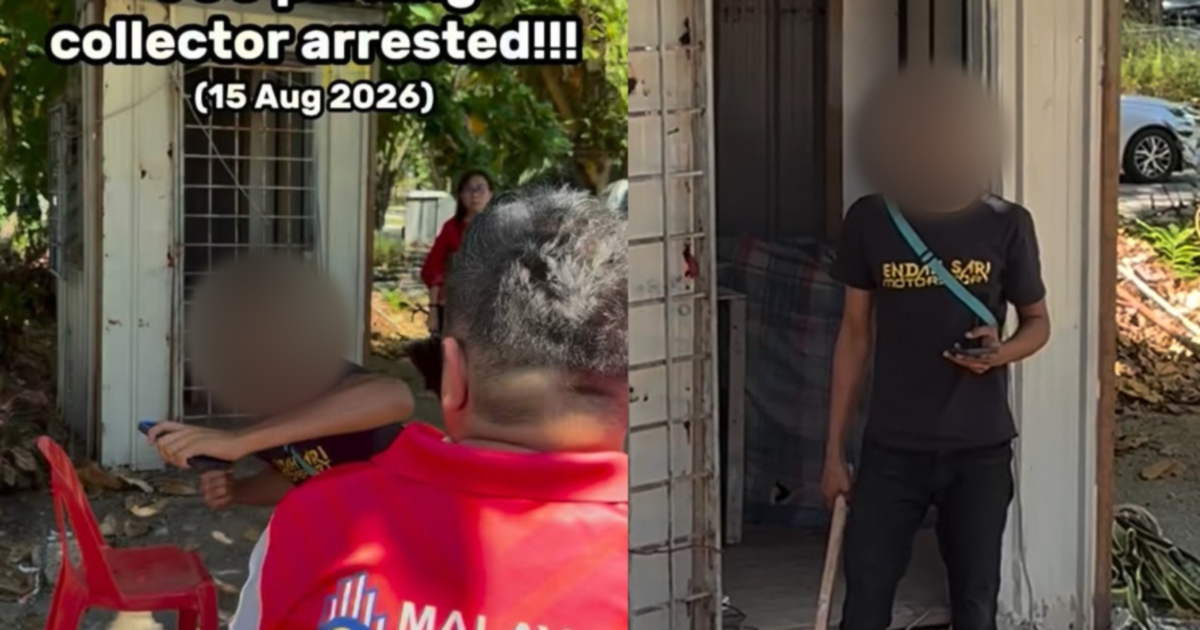
Police in Kuala Lumpur have detained three men in connection with an assault case that has raised fresh concerns about unregulated parking collection schemes operating across residential areas. The incident centred on a 38-year-old woman who was allegedly punched in the head and faced threatening behaviour after questioning the legitimacy of parking fee demands in the OUG neighbourhood. The arrests represent an escalation in police action against what appears to be an organised system of unofficial fee collection that has plagued several Malaysian communities.
The woman's decision to confront the parking collectors reflects growing frustration among residents who increasingly question whether such charges have proper authorisation from local authorities or building management. In many urban residential zones, the distinction between legitimate parking management and informal extortion operations has become blurred, with residents struggling to determine which collection activities carry official sanction. This ambiguity creates the conditions for both opportunistic scams and volatile confrontations when residents push back against demands they believe lack legitimacy.
OUG, a well-established middle-class neighbourhood in Kuala Lumpur, has apparently become the site of such irregular parking operations. The incident underscores how parking enforcement and fee collection can become flashpoints for tension, particularly when no clear communication exists about who authorises these charges and where the money flows. Residents in similar communities across the Klang Valley frequently report confusion about parking levy systems, with some areas operating under multiple collection schemes with unclear governance structures.
The allegation that the woman was physically assaulted rather than simply warned marks a significant escalation in the conduct of these parking fee collectors. Resorting to violence when challenged suggests either considerable confidence in local impunity or a desperation born from threatened income sources. Such behaviour transforms what might otherwise be dismissed as a minor local nuisance into a public order matter warranting police intervention and legal scrutiny. The swift police response demonstrates official recognition that organised violence connected to parking schemes cannot be tolerated.
This case exemplifies broader challenges facing Malaysian urban neighbourhoods where informal governance systems operate alongside official structures. Many residential areas experience a patchwork of fee collection, maintenance charges, and regulatory enforcement where the legitimacy and accountability of various schemes remain unclear to ordinary residents. Parking, in particular, has become a frequent source of tension because it combines scarcity of space, legitimate concerns about traffic management, and ample opportunities for irregular fee collection to masquerade as official policy.
The three men arrested face questions about their authority to collect fees, the purposes to which revenue was directed, and the circumstances of the alleged assault. These details will likely prove crucial in determining whether this represents an isolated incident or part of a wider pattern of extortionate behaviour in the area. Investigators will also examine whether other residents were subjected to similar demands, a line of inquiry that frequently uncovers more extensive operations than initially apparent.
For Malaysian residents more broadly, the incident reinforces important lessons about verifying the legitimacy of parking charges demanded in residential settings. Legitimate parking management typically involves clear documentation from official sources, transparency about fee structures and their uses, and formal complaint mechanisms. When parking collectors operate without identifying themselves, cannot produce authorisation documents, or respond to questioning with threats or violence, residents face genuine grounds for suspicion.
The assault allegation adds a criminal dimension that distinguishes this case from disputes over parking administration. Physical violence represents a crossing of thresholds that authorities consider seriously, and the police arrests reflect this gravity. The woman's willingness to report the incident and pursue the matter through formal channels, despite the initial confrontation, demonstrates the kind of civic engagement necessary to address such schemes. However, it also highlights the personal risk involved in challenging informal operators who may respond with hostility.
OUG's experience illustrates why local authorities and residential management bodies should maintain clear, publicly accessible information about all parking policies and fee collection arrangements. Ambiguity creates opportunities for unauthorised operators to flourish while generating resident confusion and frustration. Communities in which parking governance operates transparently, with residents knowing precisely which organisations can legitimately collect fees and for what purposes, tend to experience fewer such incidents.
The case also raises questions about how residential areas should handle parking management generally. Many neighbourhoods rely on informal mechanisms that lack legal clarity, creating environments where disputes become personal confrontations rather than administrative matters. Formalising parking systems—whether through official municipal arrangements, transparent community governance structures, or regulated private management—would likely reduce both exploitation and the potential for violence.
As these three men move through the legal system, the case will provide clarity on how Malaysian courts address organised parking fee collection schemes and violence connected to them. The precedent established may influence how other communities respond to similar operations, and whether residents feel empowered to challenge arrangements they suspect are illegitimate. Police success in prosecuting these cases, combined with clear communication from authorities about parking policy in residential areas, represents the most effective path toward reducing such incidents across the country.
For now, residents in OUG and similar neighbourhoods remain interested in understanding whether this arrest marks the end of the irregular parking collection operation or merely interrupts it temporarily. The investigation's scope and outcomes will influence perceptions of how seriously authorities treat parking-related crime and whether residents can expect protection when they question potentially fraudulent schemes in their communities.

