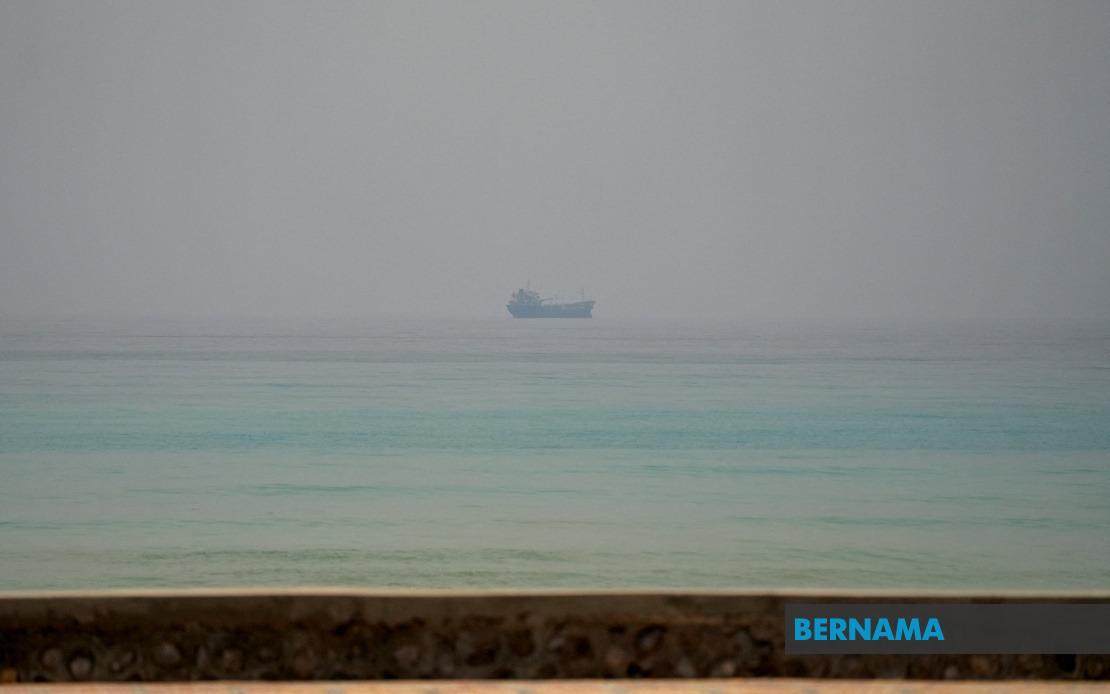
The maritime security landscape off Oman deteriorated sharply on Tuesday when three commercial tankers came under attack in rapid succession, prompting regional authorities to mobilise rescue operations and raising fresh concerns about the safety of commercial shipping through one of the world's most critical energy corridors. Oman's Maritime Security Centre reported that the three vessels were struck in separate incidents within hours of each other, collectively injuring six crew members and leaving three others unaccounted for, amplifying anxiety about escalating hostilities in waters that funnel roughly one-third of globally traded seaborne oil.
The first attack targeted the Stolt Magnesium, which was struck approximately 40 nautical miles from South Al Sharqiyah Governorate in international waters beyond Oman's territorial domain. The strike ignited a fire within the vessel's engine compartment, forcing the Maritime Security Centre to coordinate an emergency evacuation. A passing merchant vessel responded to distress signals and successfully rescued all 23 crew members aboard, with authorities confirming that the rescued personnel were physically unharmed despite their harrowing experience. The rapid response prevented what might have developed into a catastrophic incident involving casualties and potential environmental damage.
Minutes later, maritime authorities received reports of a second strike approximately 8.5 nautical miles from the Musandam Governorate coastline. The Mombasa B, a crude oil carrier operated under the umbrella of ADNOC Logistics & Services—the maritime division of Abu Dhabi National Oil Company—took a direct hit that disabled its propulsion systems and left it adrift in congested shipping lanes. The vessel's 21-member crew faced immediate danger from being immobilised in contested waters. A cooperating vessel successfully extracted all personnel, though six sustained injuries ranging from minor to moderate severity, complicating the medical response burden for Omani authorities and the broader international maritime community operating in the region.
The third and most serious incident occurred when the tanker Al Bahyah, another ADNOC Logistics & Services vessel, was struck approximately 9.6 nautical miles from Musandam Governorate. The Royal Navy of Oman immediately deployed assets to the scene as crews evacuated 18 of the 19 personnel aboard. However, three seafarers could not be accounted for in the immediate aftermath, prompting an intensive search operation that extended well into the evening. The disappearance of crew members adds a tragic dimension to an already alarming security situation and raises questions about the circumstances surrounding the strike and whether the missing persons were swept overboard or injured and unable to participate in evacuation procedures.
ADNOC Logistics & Services issued a formal statement confirming that both Al Bahyah and Mombasa B had been struck by projectiles while navigating the Strait of Hormuz—the narrow waterway separating Oman and Iran through which approximately 30 per cent of the world's seaborne oil passes daily. The company disclosed that a fatality had occurred among the crews, contradicting earlier reports from the Maritime Security Centre and suggesting that casualty figures may still be incomplete or subject to revision as rescue operations continue and investigations progress. The loss of life underscores the lethal nature of the attacks and the genuine peril facing merchant mariners transiting these waters.
The coordinated nature of the three strikes, occurring within a compressed timeframe across different locations, suggests a calculated campaign rather than isolated incidents. Maritime analysts monitoring the situation have interpreted the pattern as potentially linked to the broader geopolitical confrontation between the United States and Iran over control and influence in the Persian Gulf region. The timing coincided with escalating US-Iran tensions, though neither party immediately claimed responsibility for the attacks or acknowledged involvement, maintaining the deliberate ambiguity that has characterised previous maritime incidents in the zone.
Oman's Foreign Ministry responded by issuing a carefully calibrated statement that emphasised the importance of adhering to international maritime law, restoring unimpeded freedom of navigation, and guaranteeing safe passage for commercial vessels through the strategically vital waterway. The diplomatic language reflected Oman's traditional balancing act between its Gulf Cooperation Council allies, particularly Saudi Arabia, and its neighbour Iran, while avoiding direct accusations that might inflame regional tensions further. Oman has long positioned itself as a neutral broker in regional disputes and sought to maintain its reputation as a stable node within an increasingly volatile maritime security environment.
For Malaysian shipping interests and regional operators, the implications are substantial. Southeast Asian vessels regularly transit the Strait of Hormuz en route to European, African, and American markets, making the security situation directly relevant to Malaysia's economic interests and energy security. Malaysian shipping companies depend on stable passage through the waterway, and episodes of violence generate insurance cost increases, navigation delays, and uncertainty that ripple through global supply chains. The attacks underscore why Malaysia and other ASEAN nations have consistently advocated for international mechanisms to protect freedom of navigation and prevent militarisation of critical sea lanes.
The Strait of Hormuz has become an increasingly dangerous environment for commercial shipping over recent years, punctuated by a series of incidents involving tanker attacks, drone strikes, and naval confrontations. These Tuesday attacks represent a significant escalation from previous episodes and suggest that regional actors may be willing to accept higher levels of risk and potential international backlash to pursue their strategic objectives. The attacks occurred despite heightened international naval presence in the region, including American, European, and other allied vessels ostensibly deployed to ensure maritime security, raising questions about detection capabilities and deterrent effectiveness.
The incident will likely intensify pressure on international maritime authorities and naval powers to strengthen security protocols and increase patrols in the Strait of Hormuz. However, such measures face practical limitations given the waterway's narrow geography, heavy traffic volumes, and the difficulty of distinguishing hostile actors from legitimate maritime activity. The attacks also demonstrate why regional states like Oman have sought to develop autonomous maritime security capacities rather than depend entirely on external powers, though Oman's resources remain constrained compared to the scale of the challenge.
Shipping insurers will almost certainly respond by raising premiums for vessels transiting the Strait of Hormuz, effectively adding a security surcharge to the cost of goods moving through global commerce. This inflation in logistics expenses ultimately gets passed to consumers, creating economic consequences that extend far beyond the immediate maritime zone. The attacks therefore carry implications not merely for shipping companies and seafarers but for global energy prices, inflation dynamics, and economic stability in consuming nations including Malaysia, which relies on imported petroleum products to fuel its economy and industrial sector.
The broader context involves competing visions for regional security architecture in the Persian Gulf. While the United States has historically anchored Gulf security through military presence and alliances with Saudi Arabia and other monarchies, Iran and its affiliated actors have pursued asymmetric strategies targeting commercial shipping to impose costs on adversaries and their allies. The Tuesday attacks fit this pattern and suggest that such incidents may become recurrent features of the regional security landscape unless fundamental tensions between the United States and Iran diminish or diplomatic mechanisms strengthen to manage their competition more constructively.

