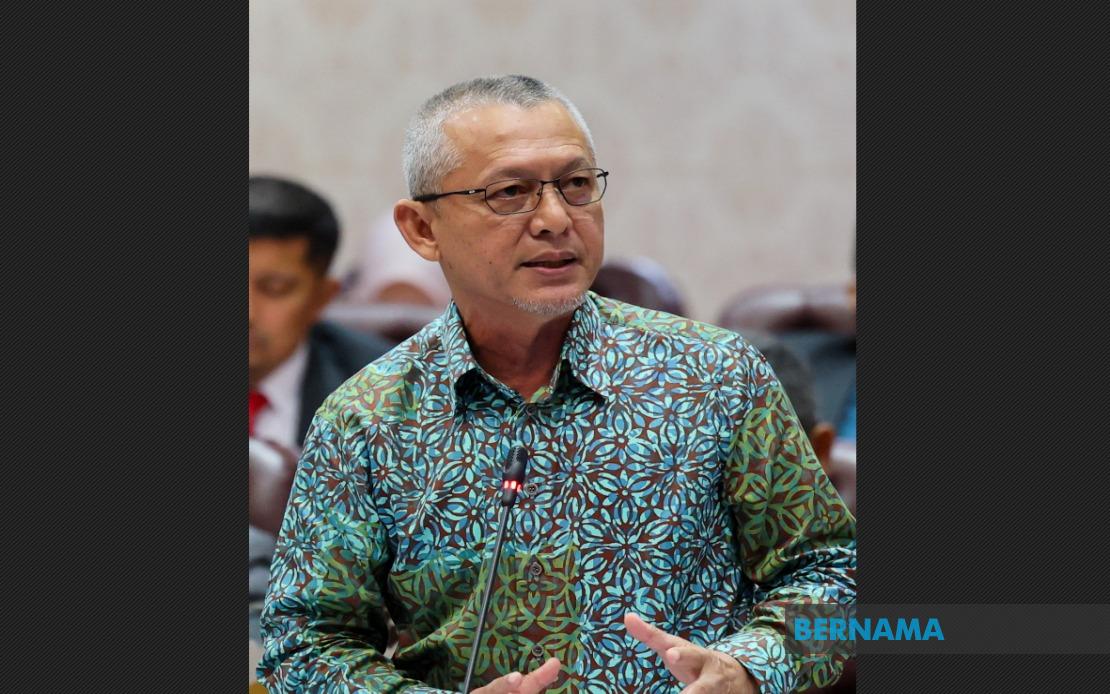
Three prominent Bersatu figures in Terengganu have announced their resignation from party leadership positions, marking a significant shift in the party's state-level administration. Datuk Razali Idris, who serves as the Terengganu Bersatu chief, initiated the departures by submitting his resignation letter to Bersatu president Tan Sri Muhyiddin Yassin on July 16. Alongside him, Telemong state assemblyman Mohd Zawawi Ismail and Hulu Besut assemblyman Mohd Husaimi Hussin have also stepped down from their respective positions within the party hierarchy, creating a notable leadership vacuum in one of Bersatu's regional strongholds.
The timing and coordination of these resignations warrant closer scrutiny, as they appear to reflect deeper dissatisfaction within Terengganu's Bersatu chapter. Razali, who holds the influential position of Terengganu State Executive Council member, remains in his state government role despite relinquishing party office. His resignation encompasses his responsibilities as state party chief alongside other unspecified party positions. The decision to step down from party roles while retaining government office suggests these are deliberately compartmentalised actions, indicating the individuals wish to maintain their administrative functions while disassociating from internal party machinery.
A notable aspect of Razali's situation is the apparent silence from party headquarters regarding his resignation request. Submitted over a month ago, his letter has yet to receive formal acknowledgement or decision from Muhyiddin's office, creating an unusual limbo where the resignation has been announced publicly but not yet processed at the national level. This bureaucratic inertia may itself signal discord, as prompt handling of such matters is standard procedure in political parties seeking to demonstrate efficient governance. The delay could indicate either preoccupation with more pressing national concerns or calculated hesitation about accepting resignations that might further destabilise the state party.
Razali has indicated he intends to extend his resignation to include his position as Marang Bersatu division chief, though he has delayed this secondary step due to outstanding administrative responsibilities requiring completion. This phased approach to resignation suggests a carefully managed transition rather than an abrupt departure, allowing time to handover documentation and ensure continuity in local operations. His willingness to complete administrative tasks despite resigning indicates no hostile intent toward the party, but rather a professional exit that prioritises institutional stability.
Mohd Zawawi's resignation as the Terengganu State Bersatu information chief and Mohd Husaimi's stepping down as State Bersatu treasurer represent losses of significant portfolios. The information chief position carries particular weight in contemporary politics, controlling party messaging and media relations, while the treasury portfolio manages party finances and resource allocation. The simultaneous departure of these two figures alongside the state party chief creates a cascading effect that undermines the party's operational capacity in Terengganu.
Crucially, all three individuals have emphasised they remain Bersatu party members despite their resignations from leadership positions. This distinction carries important implications for party discipline and potential future reconciliation. By maintaining membership while vacating top posts, they preserve the option of re-engagement if internal dynamics shift, and they avoid triggering defection procedures that might force the party into the uncomfortable position of either accepting departures or initiating disciplinary measures. This measured approach suggests the resignations reflect specific frustrations with leadership or direction rather than wholesale rejection of the party's foundational principles.
For Bersatu nationally, these resignations in Terengganu compound existing challenges within the party structure. The party, which emerged as a splinter from the United Malays National Organisation and initially positioned itself as a reform-oriented political force, has struggled to maintain cohesion as national political realignments have shifted. Terengganu, a state where Bersatu holds significant parliamentary and state assembly representation, represents a critical component of the party's regional power base. Loss of experienced local leadership threatens party effectiveness during the crucial period leading toward the next electoral cycle.
The Terengganu developments also merit consideration within broader Malaysian political context. Terengganu has historically been a competitive political arena where fortunes shift between Perikatan Nasional and Pakatan Harapan-aligned coalitions. Any internal fragmentation within Bersatu, a key Perikatan component, creates opportunities for political opposition to exploit divisions or recruit dissatisfied figures. The Malaysian political landscape's fluid nature means that state-level turbulence can escalate rapidly into national significance if multiple state chapters experience similar upheavals simultaneously.
The lack of substantive public comment from Bersatu headquarters regarding these resignations is itself telling. Standard practice would involve either rapid acceptance and gracious acknowledgement or swift rebuttal with counter-statements explaining why the resignation claims are disputed. The apparent muted response suggests either calculated avoidance of further negative publicity or genuine uncertainty about how to address multiple simultaneous resignations without triggering additional departures. Either scenario reflects organisational stress that extends beyond Terengganu.
These resignations also raise questions about Bersatu's broader leadership pipeline and talent retention. That state-level executives feel compelled to vacate positions suggests either frustration with national direction, personal disputes with current leadership, or recognition that their influence within party structures has diminished to unsustainable levels. For Malaysian readers observing party dynamics, such departures often presage larger restructuring or leadership challenges within political organisations, particularly when they involve multiple figures simultaneously rather than isolated individual decisions.
Looking forward, the manner in which Bersatu's central leadership responds to these resignations will signal the party's current health and strategic priorities. Accepting resignations gracefully might acknowledge legitimate grievances and allow regeneration, while rejecting them could create prolonged internal friction. The ultimate resolution will likely reveal whether Terengganu's Bersatu chapter remains cohesive or faces deeper schisms that could reshape state-level politics and have ripple effects across the broader Malaysian political system.

