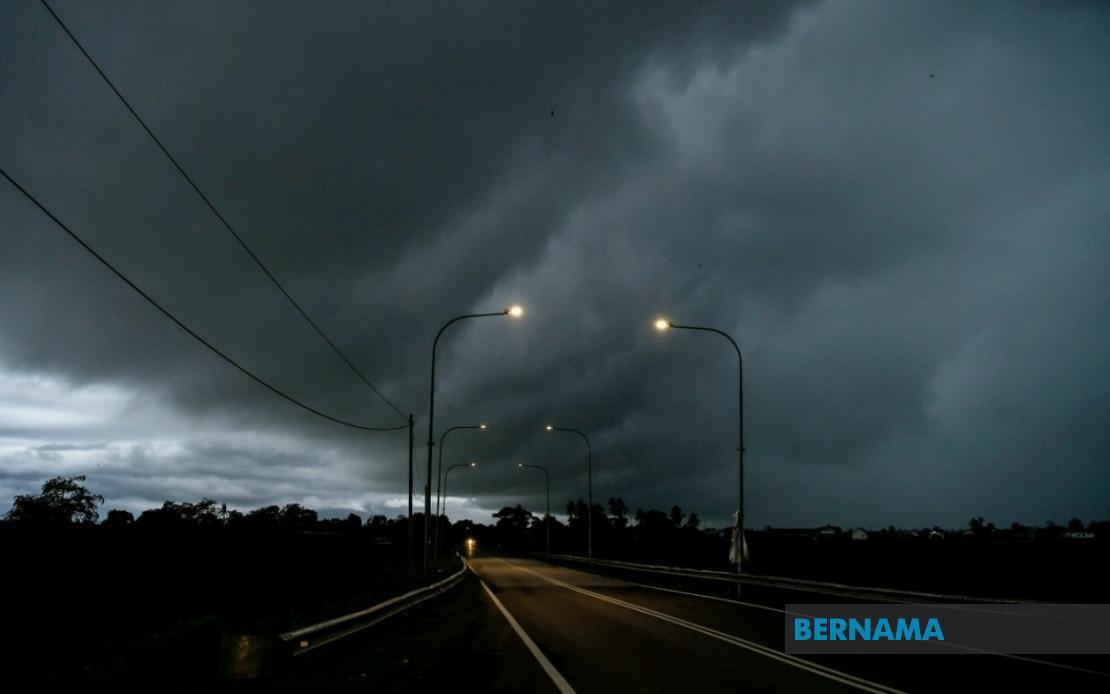
The Malaysian Meteorological Department (MetMalaysia) has activated alert procedures for dangerous thunderstorm activity sweeping across Peninsular Malaysia, with multiple regions bracing for heavy precipitation and strong winds extending through the midday period on August 18.
The primary alert corridor encompasses a significant geographic swath stretching from the northern reaches down through the central belt. In Kedah, residents and commuters in the Kuala Muda and Yan districts have been advised to exercise heightened caution as weather systems intensify. The island state of Penang faces similar threats, with the entire territory potentially affected by the incoming instability. Selangor, Malaysia's most densely populated state, experiences the broadest warning coverage, with eight separate areas placed under alert status: the port city of Klang, the industrial-heavy Kuala Langat zone, the airport-adjacent Sepang district, coastal Kuala Selangor, the urbanized Petaling region, Sabak Bernam to the northwest, and the central Gombak locality.
The situation extends beyond the states to Malaysia's federal territories, where both Kuala Lumpur and Putrajaya residents should anticipate disrupted conditions through the noon deadline. This dual-territory alert underscores the severity and breadth of the atmospheric disturbance, affecting the nation's administrative and commercial heartland simultaneously.
MetMalaysia has issued a differentiated timeline for Perak state, where six districts face an extended warning window lasting until 1 pm. The affected zones in the state include the northwestern Kerian district, the historical mining region of Larut, the combined area of Matang and Selama, the coastal Manjung municipality, the central Perak Tengah region, and the southern Hilir Perak zone. This staggered approach reflects the meteorological department's assessment that storm systems will persist slightly longer in Perak compared to the western corridor.
Thunderstorm warnings of this magnitude carry significant implications for daily operations across the region. Commuters throughout the Klang Valley face potential traffic disruptions as visibility drops and road conditions deteriorate. Public transportation operators typically adjust schedules during such alerts, potentially affecting the movement patterns of millions who depend on rail and bus networks. Construction sites across Selangor and the federal territories routinely suspend operations during severe weather declarations to protect worker safety.
The aviation sector remains particularly attentive to such warnings, as the Kuala Lumpur International Airport and secondary airfields adjust flight operations based on real-time meteorological data. Airlines maintain close coordination with MetMalaysia to determine whether departure and arrival schedules require modification. Schools and educational institutions in the affected zones may also implement contingency protocols, particularly for outdoor activities and transport arrangements.
For the business community, especially in the manufacturing and logistics hubs concentrated around Selangor's industrial zones, unexpected weather disruptions can cascade through supply chains. The Port Klang authority, serving as Southeast Asia's busiest container port, monitors such alerts closely to ensure maritime safety and operational continuity. Financial markets and trading institutions factor weather-related operational risks into their daily planning.
MetMalaysia's decision to issue time-bound warnings rather than open-ended advisories provides stakeholders with defined decision windows. The noon cutoff for most areas allows morning commutes and business operations to proceed with awareness, while the 1 pm extension in Perak accommodates the storm system's projected movement pattern eastward and southward through the peninsula.
Residents in the warned zones should prepare for potential power disruptions, as strong winds frequently damage electrical infrastructure. The combination of heavy rain, strong winds, and thunderstorms creates hazardous conditions for outdoor activities, driving, and travel. Local authorities typically position emergency response teams strategically throughout warned areas to address flooding, fallen debris, and other weather-related incidents.
The frequency and intensity of such alerts have become increasingly routine across Malaysia's monsoon belt, reflecting both genuine meteorological patterns and improved forecast accuracy. MetMalaysia's expanding network of weather stations and enhanced predictive modeling capabilities enable more precise geographic targeting of warnings, reducing false alarms while maintaining public safety protocols.
Commuters heading to work during the warning period should allow additional travel time, as reduced visibility and congestion stemming from cautious driving behavior invariably slow traffic flows. Those with flexible schedules might consider delaying non-essential journeys until conditions stabilize. The meteorological department recommends avoiding areas prone to flash flooding and monitoring official channels for updates should conditions persist beyond the stated warning windows.

