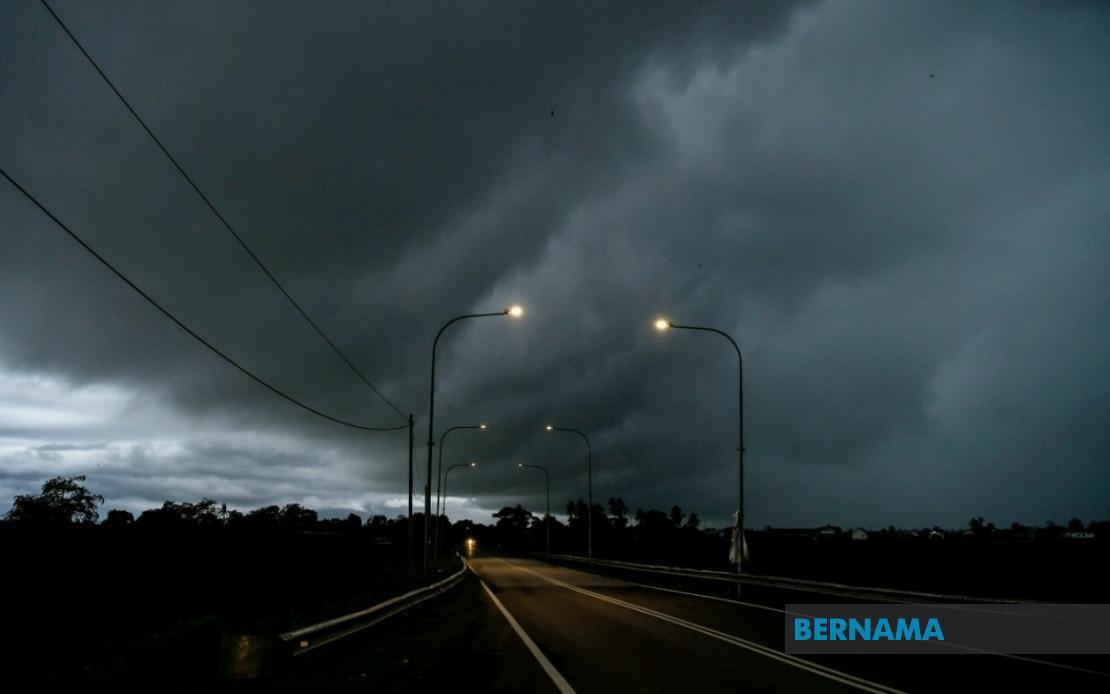
The Malaysian Meteorological Department has issued a severe weather warning affecting multiple regions across the country, cautioning residents of potentially dangerous conditions including thunderstorms, heavy downpours, and strong gusts of wind. The alert, which extends until midnight, covers substantial areas spanning Peninsular Malaysia as well as portions of the East Malaysian states of Sarawak and Sabah, reflecting the kind of monsoonal instability that characterises Malaysia's tropical climate during certain periods of the year.
On the peninsula, the entirety of Melaka has been designated as an affected zone, placing the densely populated state on high alert. Additionally, seven districts across Terengganu have been flagged for deteriorating atmospheric conditions: Setiu, Kuala Nerus, Hulu Terengganu, Kuala Terengganu, Marang, Dungun, and Kemaman. This broad coverage of the east coast state underscores the spatial extent of the weather system moving across the region and the comprehensive nature of MetMalaysia's monitoring capabilities.
In Pahang, residents of the Jerantut and Bera districts should prepare for the incoming inclement weather, whilst Negeri Sembilan's Jempol and Tampin districts face similar forecasts. Southern Johor is particularly exposed, with six districts identified as being in the path of the storm system: Tangkak, Segamat, Muar, Batu Pahat, Kluang, and Pontian. The distribution of warnings across these southern peninsula locations suggests a significant weather front is progressing through the region with considerable geographic reach.
Across the South China Sea, Sarawak's coastal and inland areas show heightened risk as well. The warning extends to Sarikei, Sibu, and Limbang, along with Song district in the Kapit Division, and the Pusa, Saratok, and Kabong areas falling within the Betong Division. This coverage demonstrates that the meteorological disturbance is not confined to the peninsula but is influencing broader Southeast Asian atmospheric patterns.
Sabah's interior and eastern districts have equally been included in MetMalaysia's alert parameters. Sipitang in the Interior Division, alongside Sandakan and the three eastern districts of Tawau, Kunak, and Lahad Datu within the Tawau Division, are all expected to experience the severe conditions outlined in the warning. For residents and businesses operating across these areas, the alert serves as a critical notification to secure loose outdoor items, avoid flood-prone zones, and remain vigilant regarding sudden weather deterioration.
Thunderstorms of this magnitude pose tangible risks to transportation networks, construction activities, and daily commerce across affected zones. Malaysian motorists should exercise heightened caution on highways, particularly in states like Johor and Terengganu where visibility may diminish rapidly and roads could become slippery. Aviation operations at regional airports may face temporary disruptions, and maritime traffic around Sarawak and Sabah coasts warrants particular attention given the combination of thunderstorms and strong winds.
For agricultural stakeholders in Pahang, Terengganu, and Johor, the forecasted rainfall could bring both benefits and hazards depending on soil saturation levels and crop stages. Fruit and vegetable farmers should monitor their irrigation systems and drainage channels to prevent waterlogging, whilst flooding concerns remain valid in traditionally vulnerable areas adjacent to rivers and low-lying regions. Rural communities dependent on subsistence farming or fishing face temporary income disruptions during such weather events.
The timing of this alert—extending through to midnight—provides residents with a compressed window to implement precautionary measures. Families should verify their emergency supplies, charge mobile devices, and ensure alternative lighting options are available should electrical outages occur due to lightning strikes or wind damage to infrastructure. Authorities in affected states are likely coordinating responses to potential flooding and other weather-related emergencies.
MetMalaysia's issuance of such comprehensive geographic alerts reflects advanced meteorological forecasting capabilities and the importance of real-time hazard communication to the public. Citizens are urged to remain tuned to official weather updates and avoid unnecessary outdoor activities during peak storm hours. The pattern of thunderstorm warnings across diverse regions—from the industrial zones of Selangor's southern border to the agricultural heartlands of Pahang and the developing regions of East Malaysia—underscores how equatorial weather systems can create simultaneous impacts across vast distances, affecting millions of Malaysians concurrently.

