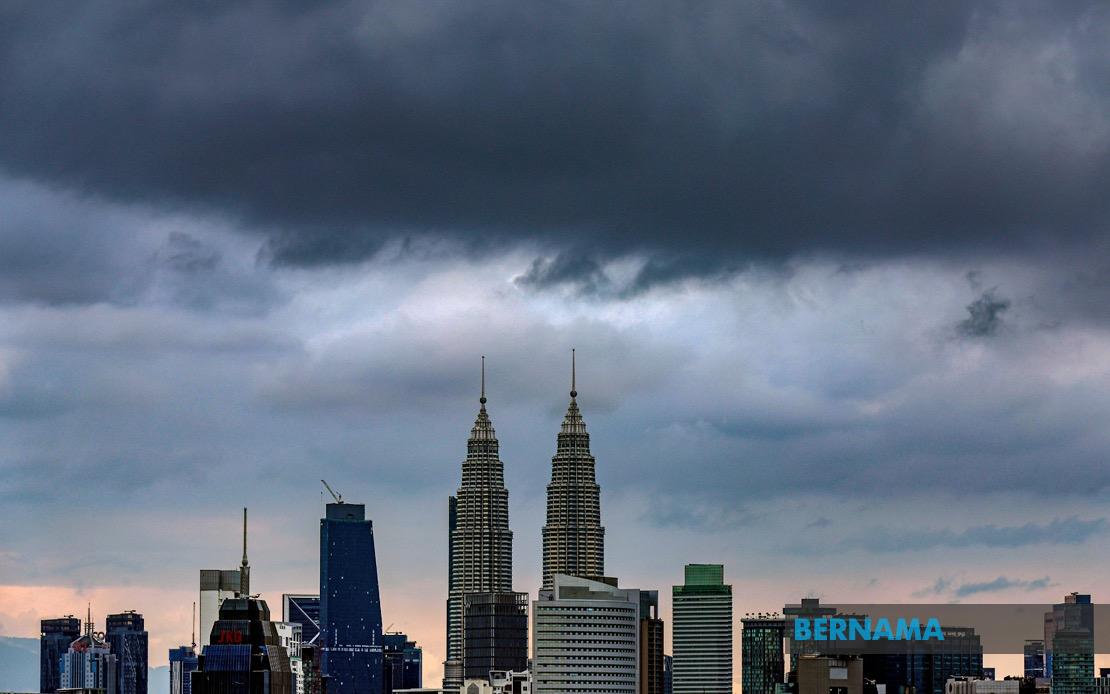
The Malaysian Meteorological Department has cautioned residents and commuters across the Klang Valley and surrounding regions to prepare for severe weather conditions, issuing an alert for thunderstorms, heavy rain and strong winds spanning from early morning through mid-afternoon. The alert, issued on July 23, encompasses Kuala Lumpur and Putrajaya as well as significant portions of eight other states, affecting millions of Malaysians during what is typically a busy working day.
According to MetMalaysia's statement, residents in Kedah should remain vigilant as the weather system will impact the districts of Yan, Pendang, Kuala Muda, Sik, Baling, Kulim and Bandar Baharu. In neighbouring Perak, the warning extends to the Kerian and Larut, Matang and Selama districts, suggesting a weather front moving across the northern corridor of Peninsular Malaysia.
The entire state of Penang faces the prospect of thunderstorms and heavy downpours, putting the island state on high alert. Given Penang's topography and urban density, such weather events can rapidly lead to localized flooding in low-lying areas and create traffic disruptions on major thoroughfares. The warning carries particular significance for commuters and businesses already managing post-pandemic recovery.
In Selangor, which surrounds and includes several municipalities within the Greater Kuala Lumpur area, the affected zones encompass Kuala Selangor, Klang, Gombak, Petaling, Kuala Langat, Hulu Langat and Sepang. This represents a substantial portion of the state's population centres and industrial zones, meaning the weather disruption could have wider economic implications for Malaysia's most developed state.
The warning extends southward to Pahang, specifically the Rompin district on the east coast, suggesting the weather system has significant geographical reach. Meanwhile, Negeri Sembilan faces alerts in its major population centres including Seremban, the state capital, alongside Port Dickson, Rembau and Tampin, indicating that the central region of the peninsula faces considerable risk from the approaching storms.
Melaka, the southern historical state, remains within the warning zone entirely, while Johor's southern districts including Tangkak, Segamat, Muar, Batu Pahat and Kluang have been flagged as vulnerable. The geographic spread of this alert demonstrates the scale and intensity of the weather system, potentially affecting economic activity from the northern tier through to Malaysia's southern regions.
Thunderstorm warnings of this magnitude typically prompt several practical considerations for residents and authorities. Heavy rainfall within short timeframes can overwhelm drainage systems in urban centres, leading to flash flooding in areas with poor drainage infrastructure or historical flooding patterns. Strong winds accompanying such storms present hazards to outdoor structures, vehicles and pedestrians, while also disrupting utilities and telecommunications services in vulnerable areas.
For commuters, the alert suggests the need for caution when traveling during the warned period. Reduced visibility from heavy rain combined with strong winds can create hazardous driving conditions on highways and major roads. Public transportation operators may experience delays, and construction sites or outdoor work activities typically face temporary suspensions during such weather events to protect worker safety.
The restriction of the warning period to approximately midday suggests meteorologists expect the weather system to move through the region relatively quickly rather than stalling overhead. However, the breadth of the warning across ten separate geographic entities indicates coordination among multiple state-level weather monitoring stations and suggests high confidence in the forecast from MetMalaysia's meteorological models.
Authorities across the affected states typically activate standard weather-related protocols during such alerts, including pre-positioning emergency response teams, monitoring drainage systems and flood-prone areas, and maintaining communication channels with relevant agencies. The Drainage and Irrigation Department and local council emergency management teams would likely increase operational readiness to respond to any flooding incidents that develop.
From an operational perspective, businesses and public institutions in the warned areas may need to adjust schedules, secure outdoor materials and equipment, and ensure backup power systems are functioning. Schools and transportation services typically continue operations during thunderstorm warnings unless conditions deteriorate significantly, though parents are usually advised to exercise caution with school runs during peak warning times.
The concentration of warnings in Peninsular Malaysia's most densely populated and economically significant regions underscores the potential economic implications of the event. Disruptions to manufacturing operations, retail activity and service sectors during working hours can have ripple effects through Malaysia's economy, particularly given the state of post-pandemic business recovery in these regions.

