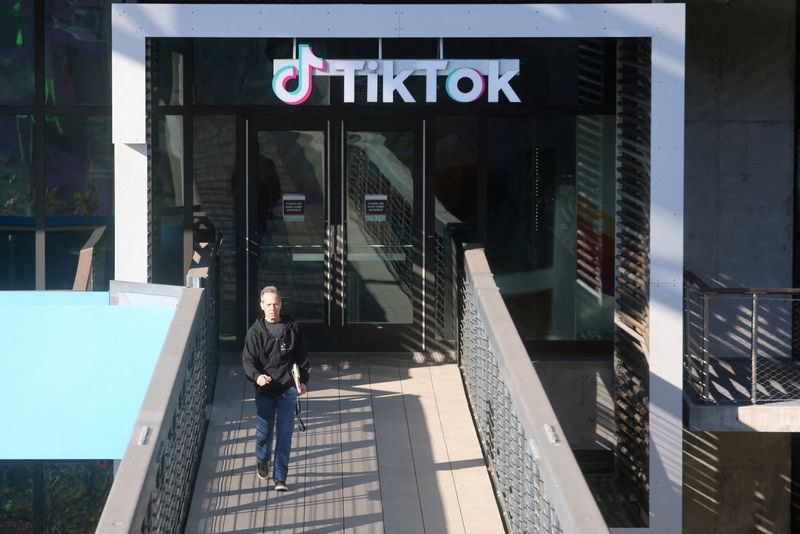
TikTok has agreed in principle to settle a lawsuit brought by a minor who alleged the platform's addictive design features caused significant psychological harm, according to Morgan & Morgan, the law firm representing the young plaintiff. The agreement, announced on Tuesday, represents another significant milestone in a growing wave of legal action against major social media companies over their documented effects on children's mental health, a concern that has gained considerable momentum across North America and is increasingly relevant to Southeast Asian regulators and parents alike.
While the law firm confirmed the settlement framework has been established, the specific financial terms and conditions remain under negotiation and have not yet been publicly disclosed. This typical pattern in media liability cases reflects both parties' preference for confidentiality, though the very fact of settlement signals TikTok's acknowledgement of the plaintiff's claims' viability and its desire to avoid the uncertainties and reputational risks of a full trial.
The timing of TikTok's settlement is strategically significant, arriving just as California state courts prepare to hear what is expected to become the second major trial examining social media platforms' culpability in the youth mental health crisis. This sequential litigation strategy, where companies settle high-profile cases while others proceed to trial, has become a familiar playbook in mass tort disputes. The settlements often become leverage points for plaintiffs' counsel in subsequent cases, establishing precedent and quantifying the platforms' perceived liability exposure.
The original lawsuit, filed on behalf of R.K.C., a 15-year-old from Florida, named four corporate defendants representing the largest social media platforms in operation: Google's YouTube, Meta's Instagram, Snapchat under Snap Inc, and ByteDance's TikTok. YouTube had already settled its portion of the claim in June, while Instagram and Snapchat remain on the trial docket for July proceedings. This staggered settlement approach reflects the different risk calculations and financial positions of each company, as well as their individual assessments of litigation exposure.
According to court documents filed in the case, R.K.C. began using social media platforms at approximately eight years old, an age when many child development experts argue young users lack the neurological maturity to resist deliberately engineered engagement mechanisms. The plaintiff's filings detail a progression from casual use to what he characterized as addiction, with consequent disruptions to sleep patterns and the emergence of clinical-level depression and anxiety symptoms—a narrative arc that mirrors patterns documented in peer-reviewed research on adolescent social media consumption.
This case represents one strand in a much broader litigation ecosystem that has emerged in response to public health concerns about social media's effects on youth development. Mental health professionals, educators, and policymakers across Asia-Pacific countries, including Malaysia, have grown increasingly concerned about similar patterns among their own populations, particularly as TikTok has become the dominant short-form video platform among teenagers throughout the region. The psychological mechanisms at work—infinite scroll algorithms, engagement-maximizing content curation, and social comparison dynamics—operate identically regardless of geography, making these American legal outcomes particularly relevant to Malaysian and Southeast Asian stakeholders.
The settlement dynamics also reflect shifting corporate calculus regarding reputational costs versus litigation expenses. For platforms like TikTok, which already faces heightened regulatory scrutiny in numerous jurisdictions over data privacy and algorithmic transparency issues, accumulating adverse judgements or high-profile trials carry significant business and political consequences. Settlement offers a pathway to resolve individual claims while potentially preserving broader legal positions and avoiding detailed public airing of internal company practices and decision-making processes that trial discovery would expose.
Malaysian policymakers and consumer advocates watching these cases should note that they demonstrate the capacity of civil litigation to function as a regulatory mechanism in jurisdictions where legislative action on social media governance has proceeded more slowly. The willingness of American juries and judges to hold platforms financially accountable for alleged harms to minors may eventually influence regulatory approaches in Malaysia and elsewhere, particularly if similar patterns of youth mental health deterioration become documented in local epidemiological research.
The plaintiff's legal team at Morgan & Morgan has established itself as a major player in social media liability litigation, and their decision to pursue these cases aggressively—including taking individual cases to trial rather than settling all claims uniformly—has created significant pressure on the platforms. The existence of even one trial verdict against a social media company would carry outsized significance for future claimants and could substantially increase settlement valuations across the entire litigation landscape.
Moving forward, the outcomes of the Instagram and Snapchat trials scheduled for July will provide crucial signals about jury willingness to impose substantial damages on social media platforms and about the legal thresholds courts establish for proving platform liability. These verdicts or settlements will likely influence how regulators globally, including in Malaysia, approach questions about mandatory design modifications, algorithmic transparency requirements, and age-gating mechanisms for minors accessing these services. The cumulative effect of American litigation may ultimately prove more consequential for global social media governance than any single regulatory action.

