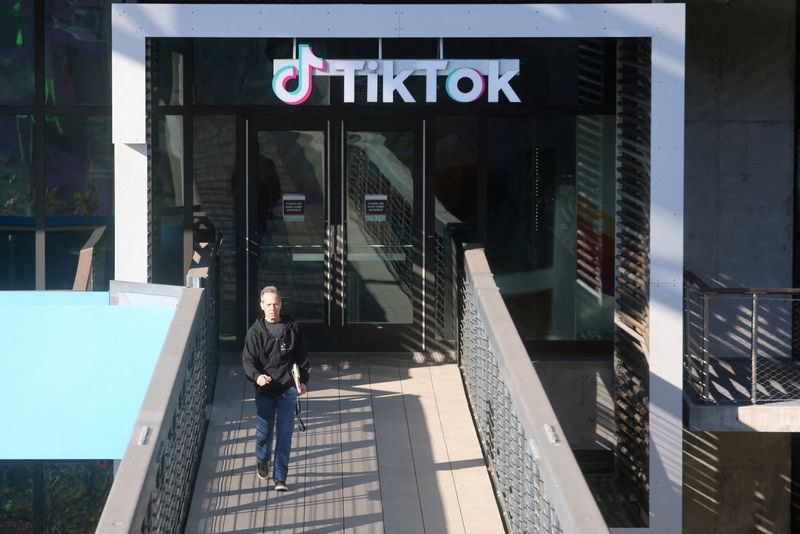
The video-sharing platform TikTok has agreed in principle to settle litigation brought by a teenager from Florida who argued the service harmed his psychological wellbeing, according to statements from the legal representatives handling the case on Tuesday. Morgan & Morgan, the law firm representing the 15-year-old plaintiff identified by his initials R.K.C., confirmed the settlement had reached an agreement stage, though specific terms remain subject to final negotiation and approval. While TikTok did not immediately provide public comment, the development signals another withdrawal from courtroom confrontation in an increasingly costly legal battle over social media's effects on young users.
The plaintiff's journey with digital platforms began around age eight, when he first encountered social media services. Over the following years, R.K.C. contended that he developed a compulsive pattern of usage that escalated his exposure to the platform's engagement mechanisms, which he argued were deliberately engineered to maximize time spent. According to documentation filed with the court, this intensive usage pattern coincided with the onset of depression and anxiety symptoms, alongside disruption to his sleep schedule. His legal team attributed these negative health outcomes directly to TikTok's design choices and business practices.
The settlement comes as R.K.C.'s case was positioned to become the second major trial examining whether social media companies deliberately created addictive products that contributed to a mental health crisis among teenagers. In his original lawsuit, the teenager named four major platforms as defendants: YouTube under Google's corporate umbrella, Instagram owned by Meta, Snapchat operated by Snap Inc., and ByteDance's TikTok. Of these four, YouTube moved first to resolve its exposure by settling the matter in June, while TikTok has now followed suit. Meta Platforms and Snap remain committed to defending themselves in court, with their joint trial scheduled to commence on July 27 in California state court.
The volume of pending litigation underscores the systemic nature of the legal challenge confronting these technology companies. California state courts are currently managing more than 3,300 separate lawsuits alleging social media addiction, while an additional 2,600 cases have been filed in federal court. These federal cases originate from varied plaintiffs including individual users, school districts, municipalities, and state governments seeking to hold the platforms accountable. The sheer numerical weight of this litigation reflects broader societal concerns about digital platform design and its consequences for youth development.
Beyond California's courts, the legal assault has expanded geographically. Nearly every state across the United States has initiated its own legal actions, filing complaints that center on two primary allegations: that social media companies misrepresented the safety profiles of their platforms when marketing to young audiences, and that these companies intentionally engineered their products to trigger addictive behavioral patterns in children and adolescents. For Southeast Asian countries, particularly Malaysia, this American litigation trend carries significant implications, as many of the same platforms and design philosophies operate within the region with comparable youth user demographics.
The first completed trial in this wave of litigation delivered outcomes that demonstrate judicial willingness to find fault with social media companies. That case, which concluded in March, involved a woman who argued she had become dependent on social media services due to their attention-capturing architecture. Both TikTok and Snap elected to settle before trial proceedings commenced. However, Meta and Google chose to proceed to a jury verdict, a decision that proved costly. The jury found both companies culpable for negligence, assessing damages of $4.2 million against Meta and $1.8 million against Google. When the companies subsequently petitioned the judge to overturn the verdict in June, their motion was rejected, allowing the findings to stand.
A parallel litigation track in federal court has produced even larger financial settlements. A case initiated by a Kentucky school district against Meta, Snap, TikTok, and YouTube proceeded toward trial before all four defendants opted to resolve the matter collectively. The coordinated settlement delivered $27 million to the school district, demonstrating that plaintiffs representing institutional interests can command substantial compensation even without the expense and uncertainty of trial. This settlement avenue has emerged as an increasingly attractive exit strategy for companies seeking to contain litigation exposure across multiple fronts.
The companies have consistently maintained their innocence regarding the core allegations, arguing that they implement comprehensive protective measures designed to ensure teenage users enjoy safe experiences on their platforms. These defenses typically emphasize age verification systems, content filtering mechanisms, parental controls, and digital wellbeing features that allow users to monitor and limit their consumption. However, these arguments have not persuaded either jurors in the completed trial or the numerous settlement discussions that preceded this case, suggesting that courts and corporate legal teams increasingly view litigation as a cost of business in this sector.
For Malaysian observers, this American legal precedent warrants close attention given the region's significant youth population and rising mental health concerns. The growing acceptance by courts and juries that social media platforms bear responsibility for mental health impacts could eventually influence regulatory approaches in Southeast Asia. Malaysian lawmakers and regulators may face mounting pressure to address similar concerns domestically, potentially through either legislative action or court challenges. The substantial damage awards and settlements already reached suggest that companies view legal exposure as sufficiently serious to justify settlement rather than continued litigation, a calculation that may eventually extend beyond American borders to other jurisdictions.

