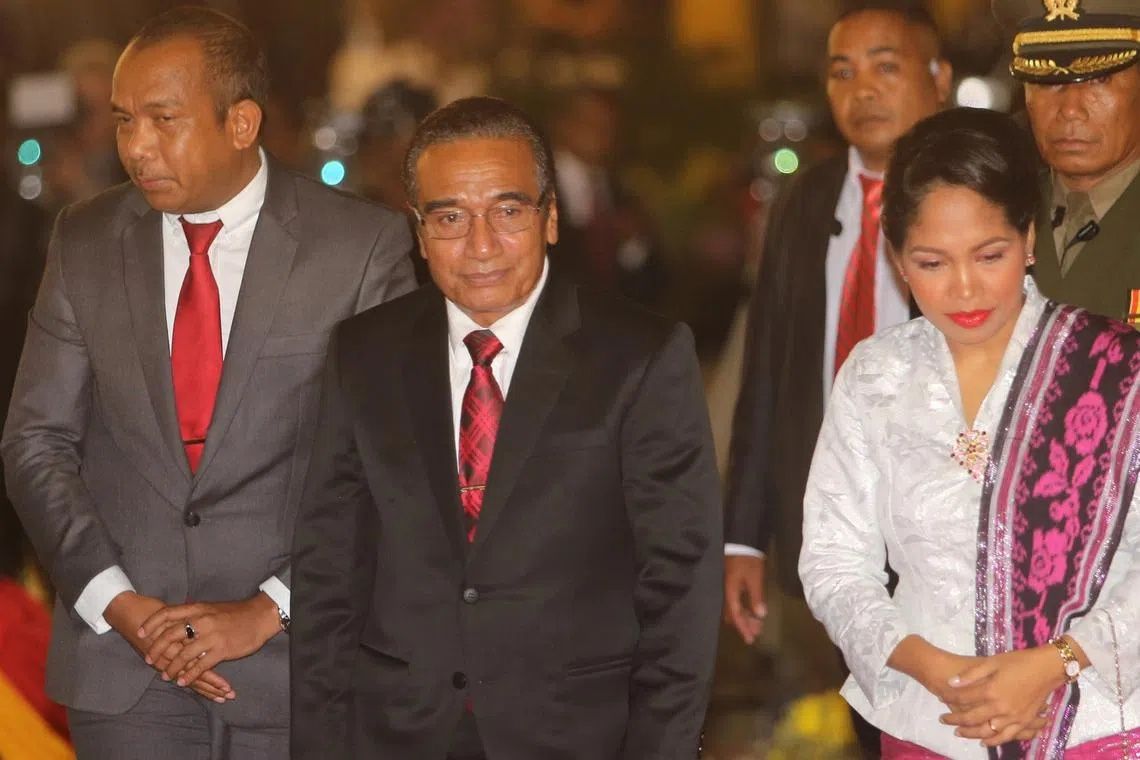
Timor-Leste entered a period of national mourning on June 22 after former president Francisco 'Lu-Olo' Guterres died in a Malaysian hospital over the weekend at age 71. His death marks the end of an era for the Southeast Asian nation, as Guterres represented one of the last remaining links to the country's decades-long armed struggle for independence from Indonesia. The government immediately issued directives for flags to be flown at half-mast across public buildings, embassies, and consulates throughout the nation, a symbolic gesture reflecting the deep reverence held for the late leader's contributions to Timorese independence and nation-building.
Guterres's political career culminated in his election as the nation's sixth president in 2017, when he secured more than 57 percent of the vote—a commanding mandate that reflected widespread public support. His presidency lasted until 2022, a five-year term that saw him navigate the complexities of consolidating a young nation still establishing its democratic institutions and economic foundations. Though he sought reelection in 2022, he was defeated in a run-off ballot by Nobel Peace Prize laureate Jose Ramos-Horta, himself another towering figure in Timorese history. Despite this electoral setback, Guterres remained a respected statesman and symbol of the country's independence struggle.
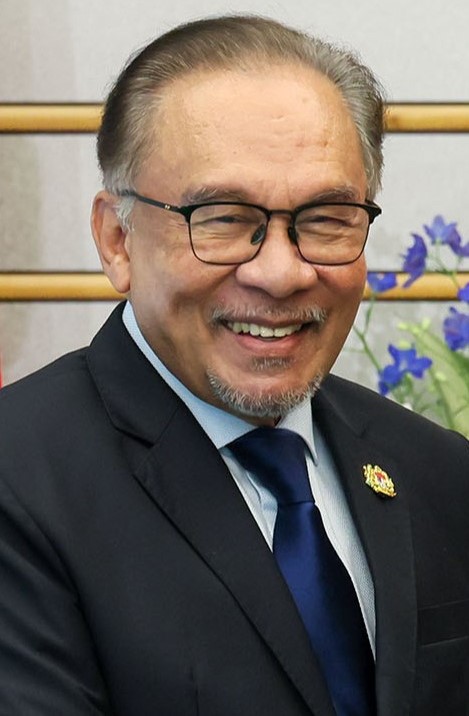
The circumstances surrounding his death in Malaysia highlight the interconnectedness of Southeast Asian nations in matters of health and bilateral relations. That Guterres spent his final days in a Malaysian medical facility underscores both the advanced healthcare resources available in the region and the sometimes delicate health situations faced by aging political figures across the archipelago. Malaysian Prime Minister Datuk Seri Anwar Ibrahim issued a statement expressing sadness at the passing, noting that Malaysia mourned alongside the Timorese people and pledging that Guterres would be remembered with respect and affection. This expression of regional sympathy reinforces the diplomatic bonds between Malaysia and Timor-Leste, particularly given Malaysia's own experience with nation-building and regional cooperation.
Guterres's brother, Domingos Guterres, informed the media that the former president's remains were expected to return to Dili, the capital, on Tuesday, with funeral arrangements still being finalised at the time of the announcement. The logistics of repatriating his body and organising a state funeral befitting his status as a founding father of the nation would require coordination between Timorese authorities and Malaysian officials. The family's public appeal for privacy during this period is understandable given the intensity of public mourning and media attention that invariably accompanies the death of such prominent historical figures.
Guterres's path to the presidency was forged through extraordinary personal sacrifice and political commitment spanning multiple decades. Born into humble circumstances, he became one of the central military and political figures in the Revolutionary Front for an Independent East Timor, commonly known as Fretilin, the party that led the independence movement. His involvement in armed resistance against the Indonesian occupation—which lasted brutally for 24 years before East Timor finally achieved sovereignty in 2002—defined not only his own life but also the identity of an entire generation of Timorese patriots. The independence that was finally realised in 2002 represented the culmination of sacrifices made by fighters like Guterres and thousands of others who had endured years of conflict and deprivation.
The transition from guerrilla commander to democratic leader represents a remarkable personal transformation that few individuals achieve successfully. Guterres's capacity to shift from armed struggle to constitutional governance demonstrated political maturity and an understanding that independence alone was insufficient—the newly sovereign nation required effective institutional leadership and peaceful democratic processes to consolidate its hard-won freedom. His 2017 election victory was therefore not merely a personal achievement but validation of his ability to command respect across the political spectrum and among ordinary Timorese citizens who had lived through the independence war.
Current president Jose Ramos-Horta, who had defeated Guterres in their 2022 rivalry, issued a statement characterising his former opponent as a "great patriot" whose passing represented "a great loss for the nation." This gracious acknowledgment from a political rival demonstrates the depth of cross-party respect that exists among Timor-Leste's leadership regarding figures of Guterres's historical importance. Both men, despite their electoral competition, share the common bond of having devoted their lives to Timorese independence and democratic development. Ramos-Horta's Nobel Peace Prize recognition, while acknowledging different dimensions of Timorese leadership, does not diminish Guterres's own immense contributions to the nation's founding and early years as an independent state.
The Revolutionary Front for an Independent East Timor, the party that Guterres formerly led, will also be processing this significant loss to its institutional history and political legacy. Fretilin has dominated Timorese politics since independence, serving as the primary vehicle for consolidating the independence struggle into a governing party. Guterres's stewardship of Fretilin during critical transitional periods helped establish many of the democratic and institutional frameworks that continue to function today. His departure removes from public life a figure whose authority and moral standing within the party derived from decades of direct participation in the independence movement itself.
For Southeast Asian observers and analysts, Guterres's death represents a symbolic passing of the generation of independence leaders who personally experienced colonial or occupying rule. Like other regional figures who led anti-colonial movements, Guterres embodied the historical memory of struggle and the transition from conflict to peaceful democratic governance. His life story reflects broader regional patterns of how small nations carved out sovereignty and built functional democracies in the years following the Cold War's conclusion. The mourning period declared by Timor-Leste acknowledges not only his individual achievements but also the collective historical experience he represented.