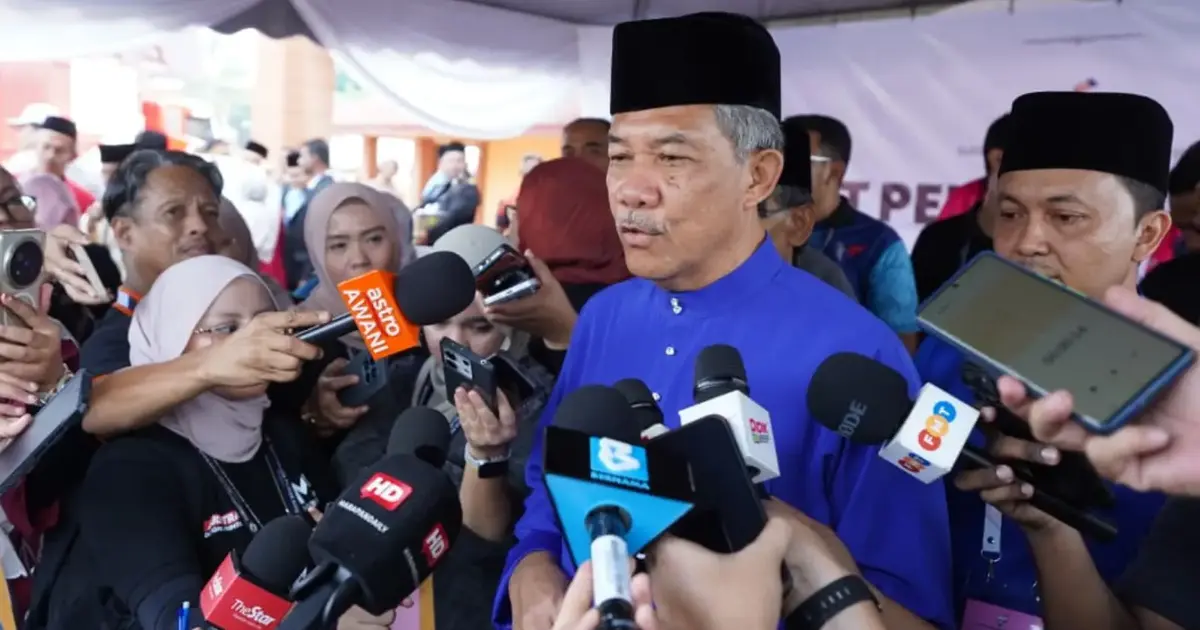
Mohamad Hasan, a senior figure in Negeri Sembilan politics, has issued a direct caution to Barisan Nasional candidates contesting upcoming elections to keep the state's venerable adat institution separate from campaign rhetoric and political mobilisation. His intervention underscores growing concern among state leadership that electoral competition could spill into culturally sensitive terrain, potentially fracturing carefully maintained social harmony.
The adat system in Negeri Sembilan represents a distinctive institutional heritage rooted in the state's governance architecture and community identity. Unlike standardised Islamic and civil law frameworks applied uniformly across Malaysia, Negeri Sembilan's adat embodies customary practices and hereditary principles that have governed family relations, succession, and community affairs for generations. This unique framework commands deep reverence among residents and carries symbolic weight extending far beyond legal technicality.
Tok Mat's warning reflects a recognition that electoral campaigns, by their nature, thrive on differentiation and contestation. Candidates seeking voter support often mine cultural and institutional questions to establish their bona fides with particular constituencies. Yet when such campaigns touch longstanding adat practices—matters invested with ancestral significance and community identity—the political instrumentalisation risks converting what should remain beyond electoral contention into weapons of factional advantage.
The timing of this intervention suggests rising anxiety within Barisan Nasional's own hierarchy about how candidates at all levels might deploy adat-related messaging. Rather than waiting for campaign excesses to materialise, Tok Mat has chosen to establish a clear boundary beforehand, signalling that the ruling coalition's internal discipline should extend to protecting culturally sensitive domains from the rough-and-tumble of competitive politics.
Negeri Sembilan's adat framework has historically been a source of pride and distinctiveness, shaping everything from inheritance customs to ceremonial protocols and customary dispute resolution. When adat enters electoral discourse, it invariably becomes simplified, politicised, and deployed selectively to mobilise particular voter segments. This process typically erodes the nuanced understanding that citizens and communities should maintain about their own cultural inheritance, replacing contemplative appreciation with partisan positioning.
The concern about worsening tensions carries particular weight in a multiethnic democracy where political calculations can quickly inflame dormant sensitivities. Negeri Sembilan, while predominantly Malay-Muslim, contains significant non-Bumiputera populations whose own relationship to state adat is complex and sometimes fraught. Electoral campaigns that sharpen divisions around adat practices or suggest that only certain groups are genuine custodians of customary tradition risk alienating voters and deepening communal fractures that take years to heal.
From a broader governance perspective, Tok Mat's directive reflects a mature understanding that not all institutional questions belong on campaign platforms. Democratic electoral competition serves vital functions in holding leaders accountable and enabling citizen choice, yet unbridled campaign messaging about culturally foundational matters can damage social trust and institutional integrity. By asking candidates to treat adat as off-limits for campaign messaging, Negeri Sembilan's leadership is attempting to preserve a domain of collective inheritance from partisan reduction.
The warning also sends subtle signals about internal Barisan Nasional discipline. Younger or more ambitious candidates sometimes push boundaries, testing how far campaign rhetoric can extend into sensitive terrain to energise core supporters. When senior party figures preemptively restrict such tactics, they are communicating that electoral ambition must operate within culturally respectful parameters. This approach acknowledges campaign realities while insisting on some guardrails around sensitive institutions.
For Malaysian readers observing state-level politics, this intervention demonstrates how federal constitutional arrangements and state particularities shape political discourse. Negeri Sembilan's adat system is not merely a technical feature of state law but an expression of constitutional federalism—the recognition that Malaysia's component states retain distinctive institutional characteristics that deserve protection from centralising political pressures. When state leaders defend such distinctions against campaign instrumentalisation, they are indirectly defending federalist principles.
The practical implications extend to campaign planning. Candidates and their strategists must now consider how to mobilise support and communicate their vision without invoking adat-related themes or positioning themselves as defenders of customary traditions against perceived threats. This constraint, while limiting, may ultimately encourage more substantive campaign messaging centred on governance capacity, economic development, and service delivery rather than cultural positioning.
Tok Mat's position also reflects accumulated experience about how campaign promises related to cultural matters often create governance complications later. Once candidates win office by pledging particular approaches to adat preservation or reform, implementing those commitments becomes fraught. Keeping adat outside campaign discourse preserves space for administrative flexibility and prevents elected officials from being bound by electoral rhetoric when governing actual adat-related questions requires nuanced judgment.
The intervention carries particular significance given Malaysia's broader political context. As electoral competition intensifies and parties compete fiercely for voter support in key states, the temptation to weaponise identity and cultural symbols grows correspondingly. Tok Mat's warning represents a countercurrent—an assertion that some institutional domains should remain protected from partisan competition. Whether candidates heed this directive will reveal something important about Barisan Nasional's commitment to governing maturely and preserving social cohesion alongside electoral competitiveness.

