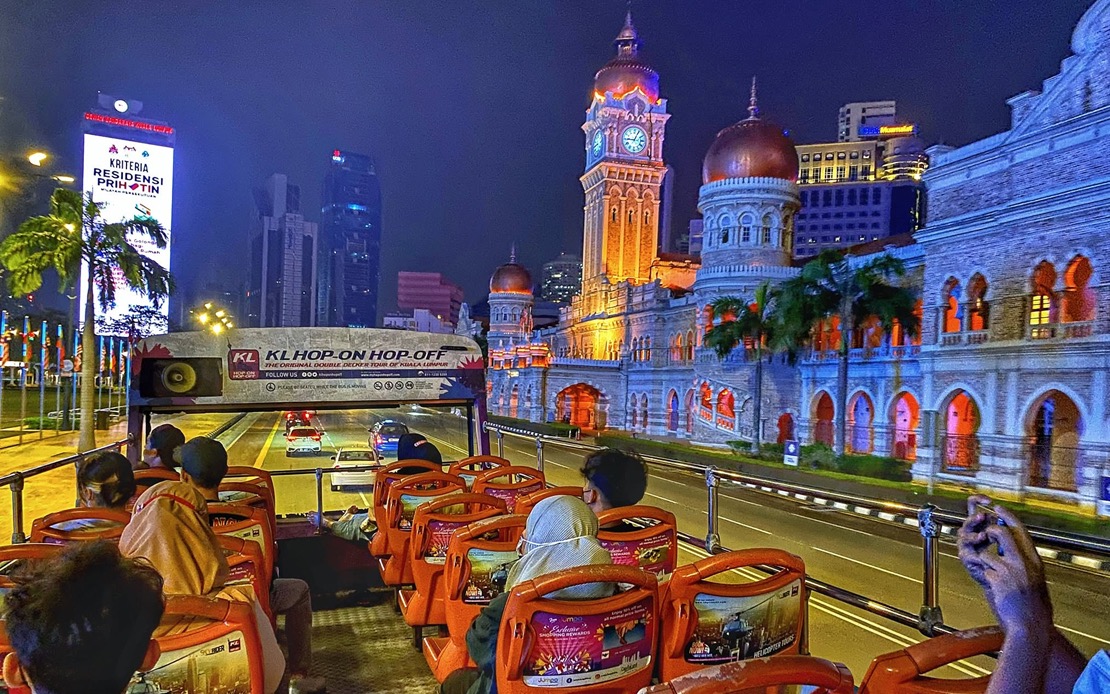
Tourism Malaysia and operator Elang Wah Sdn Bhd unveiled a coordinated domestic tourism initiative on June 24, deploying iconic red buses across Kuala Lumpur as mobile advertisements for the nation's varied attractions. The campaign represents a strategic effort to energize local travel patterns and build momentum heading into the Visit Malaysia 2026 (VM2026) promotional year, a significant milestone for the Malaysian tourism industry.
Minister of Tourism, Arts and Culture Datuk Seri Tiong King Sing underscored the central role that domestic tourism plays in Malaysia's broader economic strategy. Beyond simply filling hotel beds and restaurant tables, local travel generates employment opportunities throughout the hospitality and transportation sectors, supports small businesses in regional communities, and creates a foundation of revenue stability that complements international visitor arrivals. The minister emphasized that collaborative ventures like this one with KL Hop-On Hop-Off serve a dual purpose: they acquaint Malaysians with the depth and diversity of their own country's tourism offerings while simultaneously demonstrating to the tourism industry the quality and sophistication of experiences available for promotion under VM2026.
The operational centerpiece of the campaign involves six KL Hop-On Hop-Off buses wrapped in eye-catching graphics that showcase major tourism destinations spanning 15 states and federal territories. Rather than featuring generic imagery, the bus designs highlight specific landmarks and natural attractions that represent Malaysia's regional variety—from the architectural significance of the Sri Sendayan Mosque in Negeri Sembilan to the geological formations of the Pinnacles of Mulu in Sarawak. This geographic spread across the peninsula and Malaysian Borneo signals that domestic tourism promotion encompasses both urban centers and more remote destinations, broadening the appeal beyond Kuala Lumpur and Selangor.
Integrated into each bus wrap are interactive QR codes positioned to capture attention from both passengers aboard the vehicles and pedestrians observing them from street level. These codes function as digital gateways connecting casual viewers to VM2026 travel packages and special offers, the official Calendar of Events listing tourism activities nationwide, and individual state tourism websites. This technological dimension transforms the buses from passive advertisements into functional marketing infrastructure, enabling instantaneous engagement and conversion of interest into concrete travel planning.
The timing of this campaign aligns with measurable momentum in Malaysia's domestic travel sector. Official figures reveal that 2025 saw domestic tourism visitor numbers climb to 290.1 million, representing a robust 21.3 percent increase compared with the previous year's 260.1 million visits. This growth trajectory indicates strengthening consumer confidence and disposable income available for leisure travel among Malaysian households, a positive indicator for the broader economy.
Financial metrics corroborate the visitor volume gains, as domestic tourism expenditure rose by 13.3 percent year-on-year to reach RM121.0 billion in 2025, up from RM106.7 billion in 2024. This spending increase outpaces the visitor growth rate, suggesting that Malaysian travelers are not only taking more trips but also spending more per journey, investing in higher-quality accommodations, dining experiences, and activities. Such patterns indicate a maturing domestic tourism market less reliant on budget travel and more focused on enriched experiences.
The convergence of strong domestic performance with the VM2026 initiative reflects a strategic recognition within Tourism Malaysia's planning apparatus. Rather than waiting passively for international visitors to arrive in 2026, the ministry is actively cultivating a thriving domestic travel culture that will enhance the overall infrastructure, service standards, and atmospheric vibrancy of Malaysian tourism destinations. When the VM2026 year arrives, international visitors will encounter not ghost towns or underwhelming services but busy, vibrant destinations where local travelers have already validated the quality of experiences on offer.
For the KL Hop-On Hop-Off bus operator, participation in this campaign represents brand alignment with a national promotional initiative while expanding the visibility of their service across diverse demographics. The wrapped buses function as moving billboards that accumulate impressions throughout daily routes, and the QR code integration provides measurable engagement data that can inform future marketing decisions. This type of public-private collaboration has become increasingly common in Southeast Asian tourism marketing, where government agencies partner with private sector entities that possess operational expertise and customer-facing infrastructure.
From a broader regional perspective, Malaysia's emphasis on domestic tourism development reflects trends visible across Southeast Asia, where countries increasingly recognize the economic multiplier effects of encouraging local travel. Thailand, Indonesia, and Vietnam have all launched similar initiatives to strengthen domestic tourism as a resilience strategy, recognizing that international arrivals can fluctuate with economic cycles and geopolitical conditions, while domestic travel provides a more stable revenue foundation. Malaysia's campaign thus positions the country within a regional best-practice framework.
The selection of destinations featured on the bus wraps carries implicit messaging about Malaysia's tourism hierarchy and development priorities. The inclusion of Sarawak attractions alongside Peninsular Malaysia destinations reinforces the concept of Malaysia as a unified tourism entity encompassing distinct geographic regions, each with distinctive offerings. This framing encourages Malaysians to view their country as a multifaceted destination rather than conflating Malaysia with Klang Valley or Selangor alone, potentially unlocking longer, multi-destination journeys that generate greater total expenditure.
Looking forward, the success of this campaign will likely be measured through multiple indicators beyond simple bus ridership numbers. Tourism Malaysia will presumably track QR code scans, conversion rates from scans to actual bookings, and shifts in domestic travel patterns toward featured destinations. If the campaign successfully redirects domestic travel flows toward less-visited but officially promoted attractions, it would represent a meaningful redistribution of tourism revenue across Malaysia's regions.
The June 24 launch signals Tourism Malaysia's determination to build a robust domestic foundation before the international spotlight of VM2026 arrives. By encouraging Malaysians to invest in their own tourism experiences, the ministry simultaneously strengthens the industry's capacity to serve international visitors with confidence and sophistication, creating a virtuous cycle where growing domestic demand drives infrastructure improvements and service enhancements that benefit all travelers.

