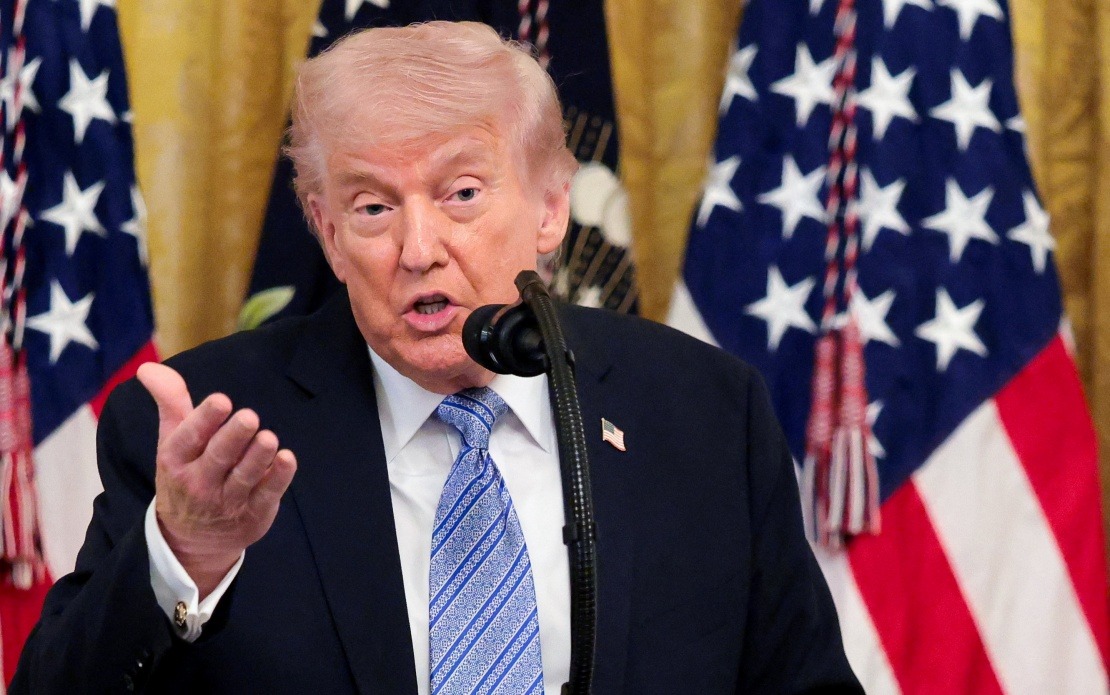
In a dramatic reversal of recent diplomatic engagement, US President Donald Trump announced on Tuesday that his administration has ceased all negotiations with Iran and has no plans to resume talks. The statement, posted on his Truth Social platform, represents a significant hardening of American policy toward Tehran and signals mounting tension in a region already destabilised by months of tit-for-tat military exchanges between Washington and the Islamic Republic.
Trump's pronouncement comes amid unconfirmed reports that he has personally instructed his senior negotiating team to break off communications with Iranian officials. The team, reportedly comprising Vice President JD Vance and special envoys Steve Witkoff and Jared Kushner, had been engaged in what sources describe as "positive discussions" with Tehran, lending credibility to suggestions that negotiations were progressing before the abrupt pullback.
The timing of Trump's decision is particularly noteworthy given that Kushner was in Israel on Monday meeting with Prime Minister Benjamin Netanyahu to address regional concerns, including the protracted conflict in Gaza. Just hours before Trump's announcement halting talks, Kushner had told Fox News that communications between Washington and Tehran had become "more robust than ever," indicating that diplomatic channels were unusually active at the highest levels.
According to reporting by CNN citing administration officials, the Trump White House has undergone a strategic recalibration in its approach to Iran. Rather than pursuing immediate military action — described in internal discussions as "hammer Iran ASAP" — officials now favour a longer-term containment strategy aimed at economically and diplomatically "strangling" the country over an extended period. This shift suggests Washington is preparing for sustained confrontation rather than seeking rapid resolution.
The announcement coincides with Trump's assertion that Washington maintains tight naval control over critical shipping lanes in the region. He declared that the Strait of Hormuz, through which roughly one-third of global maritime petroleum trade flows, remains "open and operating" under what he characterised as continued American naval blockade, with all mines removed or neutralised. This framing underscores US military dominance in the Persian Gulf and implicit warnings about Iran's limited capacity to disrupt international commerce.
The current breakdown in negotiations marks the collapse of a tentative diplomatic framework that had shown signs of progress. Iran and the United States had reached a ceasefire agreement in April of this year, followed by a more formal memorandum of understanding signed in June that aimed to terminate military hostilities and establish the foundation for a comprehensive peace settlement. However, these agreements unravelled within weeks when both sides resumed military strikes against each other in what analysts describe as a dangerous escalatory cycle.
For Southeast Asian observers, the abrupt termination of US-Iran talks carries significant implications for global energy security and regional commerce. Malaysia and other ASEAN nations depend heavily on uninterrupted petroleum flows through the Strait of Hormuz and surrounding waters. Any escalation of US-Iran tensions risks creating supply disruptions or price volatility that would reverberate throughout Asian economies already grappling with inflationary pressures and uncertain growth prospects.
The strategic reversal also underscores the unpredictability of Trump's foreign policy approach, which has repeatedly pivoted between engagement and confrontation without clear strategic coherence. His decision to halt negotiations contradicts the narrative of robust diplomatic channels that his own envoys were promoting publicly just days earlier, raising questions about the stability and reliability of American diplomatic commitments in the eyes of potential negotiating partners.
The Trump administration's shift toward prolonged pressure rather than near-term military action may reflect internal disagreements within the White House about optimal strategy. Some officials appear to favour engagement and negotiated resolution, while others advocate for sustained coercion designed to fundamentally alter Iranian behaviour and regional influence. The decision to prioritise the hardline position suggests that hawks within the administration have prevailed in this internal debate.
For Iran, the termination of talks leaves limited diplomatic off-ramps from continued confrontation with the United States. Tehran had demonstrated willingness to engage through the April ceasefire and June memorandum, signalling that elements within the Iranian government favoured negotiated settlement over indefinite conflict. The closure of diplomatic channels may harden Iranian positions and reduce incentives for restraint, creating conditions for further escalation.
The broader Middle Eastern strategic environment is also shifting due to this development. Israel, which has expressed deep concern about Iranian nuclear capabilities and regional influence, will likely view the hardening of American policy as favourable to its strategic interests. However, the absence of active US-Iran dialogue also removes a potential channel for managing regional crises and reducing the risk of miscalculation.
Malaysian policymakers and regional strategists should monitor developments closely. The termination of US-Iran talks raises the probability of renewed military confrontation at precisely the moment when global economic conditions and energy markets remain fragile. ASEAN's longstanding commitment to neutrality and non-alignment makes it essential that regional states maintain balanced relationships with both Washington and Tehran while advocating for de-escalation and return to diplomatic engagement.

