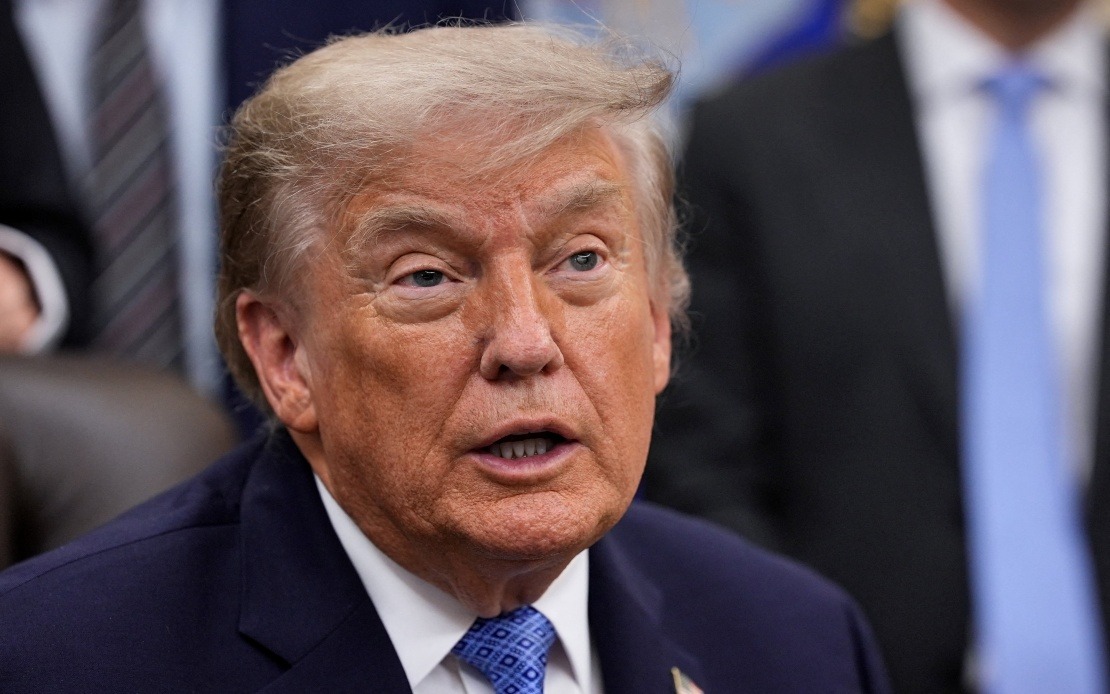
President Donald Trump is preparing to speak directly to the American people through a prime-time televised address scheduled for Thursday evening at 9 pm Eastern Time, according to an announcement posted on his Truth Social platform. The broadcast will occupy one of the most coveted and symbolically significant time slots in American television, traditionally reserved for moments of national importance and presidential declarations that demand nationwide attention. The specific subject matter of the address remains unclear, as Trump has offered no formal announcement regarding his intended remarks.
The timing and venue of such addresses carry substantial weight in American political culture. When a sitting president opts for prime-time television to communicate with the nation, it typically signals an intention to discuss matters of considerable domestic or international consequence. The choice to use this particular format suggests the administration believes the message warrants the broadest possible audience and carries urgency that conventional media briefings or written statements cannot adequately convey.
Speculation about the address's focus has centred on several pressing developments dominating American headlines in recent weeks. Most prominently, escalating tensions with Iran have intensified dramatically over the past several days, creating heightened concerns about regional instability and potential military confrontation. These developments have coincided with substantial increases in fuel prices across the United States, a matter that directly affects household budgets and consumer confidence—issues that typically influence electoral outcomes and public approval ratings.
The Iran situation represents one of the most volatile international flashpoints currently facing the Trump administration. The conflict has simmered beneath American political discourse for months, but recent escalations have propelled it into mainstream consciousness with renewed urgency. Rising petrol prices, a direct consequence of Middle Eastern tensions, have compounded public anxiety about the trajectory of both foreign policy and domestic economic stability. These twin pressures—international conflict and domestic economic concerns—create a compelling case for why the president might choose this moment for a major televised address.
This address follows Trump's return to the presidency in January 2025, marking his second term in office. The administration has already employed the prime-time television platform previously; in December of the previous year, Trump delivered a comparable national address defending his economic record amid mounting domestic criticism and political pressure. That earlier speech demonstrated the administration's inclination to use direct television communication when facing significant challenges to its policy agenda or public standing.
The political calendar adds another dimension to the timing of this announcement. Approximately four months separate the current moment from crucial midterm elections, a pivotal electoral test that will determine control of Congress and substantially shape the remaining trajectory of Trump's presidency. Current polling data presents a challenging picture for the Republican Party, with surveys suggesting diminished support compared to previous electoral cycles. In this context, a major presidential address carries potential significance for attempting to reshape public perception and mobilise the party's base ahead of these consequential contests.
For Malaysian and Southeast Asian observers, Trump's address warrants close attention due to its potential implications for regional stability and economic conditions. Any presidential announcement regarding Iran policy directly affects global oil markets, which in turn influences energy prices and economic growth across Asia-Pacific economies heavily dependent on imported petroleum. Malaysia, as a net energy importer and participant in regional security arrangements, faces direct consequences from American decisions regarding Middle Eastern military engagement.
Additionally, shifts in American foreign policy priorities inevitably reverberate throughout the Indo-Pacific region. Any statements Trump makes regarding international commitments, military posture, or diplomatic orientation could signal changes affecting regional security partnerships, trade relationships, and the broader geopolitical balance that Southeast Asian nations navigate constantly. The choice of what to address—and perhaps more significantly, what to omit—will communicate important signals to allies and competitors alike about American strategic intentions.
The absence of a pre-announced topic represents an uncommon approach, as administrations typically brief media outlets regarding the general subject matter of such addresses well in advance. This strategic ambiguity may itself carry meaning, possibly indicating a desire to control narrative framing until the moment of broadcast, or reflecting genuine uncertainty about how developments will unfold before Thursday evening. The coming hours may bring further clarification as administration officials provide guidance to news organisations preparing coverage of the event.
The choice to address the nation via this formal television mechanism, rather than through social media platforms or conventional press conferences, underscores the perceived magnitude of whatever announcement awaits. Television addresses remain potent symbols of presidential authority and gravity, carrying ceremonial weight that other communication methods cannot replicate. For Trump's administration, the decision to employ this tool suggests a conviction that circumstances demand the most elevated and formal mode of presidential communication available.
Americans and international observers alike will await Thursday evening's broadcast with significant interest. The address may clarify the administration's stance on Iran policy, explain any shifts in economic or military strategy, or articulate a vision for the months ahead as the nation approaches crucial electoral contests. Regardless of the specific subject matter, the fact of the address itself—its timing, its format, and its scheduled prominence in the American news cycle—conveys unmistakable signals about how the administration perceives current conditions and the urgency it assigns to direct communication with the public.

