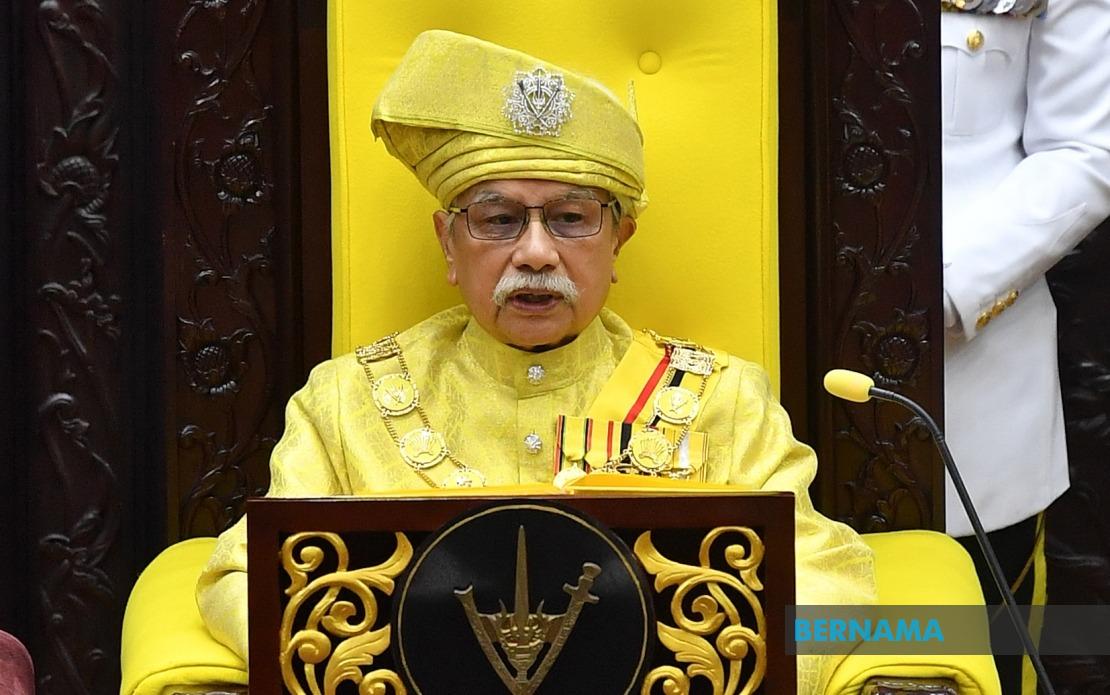
The Yang Dipertuan Besar of Negeri Sembilan, Tuanku Muhriz Tuanku Munawir, has agreed to conduct a formal royal audience this Saturday at Istana Besar Seri Menanti to officially recognise the appointment of the new Undang of Luak Rembau. The decision represents an important moment in Negeri Sembilan's hereditary governance structure, where ancient customary systems continue to shape the selection of local leaders alongside the modern constitutional monarchy.
Tunku Besar Seri Menanti, Tunku Ali Redhauddin Tuanku Muhriz, announced the royal consent during a meeting with the Datuk-Datuk Adat of Rembau held at the state palace. The Tunku Besar conveyed his father's approval for the Istiadat Menghadap Menjunjung Duli Bagi Menyempurnakan Kejadian Undang Luak Rembau—the traditional ceremony marking the formal investiture of a new undang within Negeri Sembilan's intricate system of customary governance. He instructed adat leaders to coordinate further preparations through the Orang Empat Istana, the traditional advisory body that assists in ceremonial matters.
Hassan Ab Hamid, aged 67, has been selected as the 22nd Undang of Rembau following the established procedures of the Adat Perpatih system, one of two major customary law systems practised in Malaysia. The selection was conducted through the Kerapatan Buapak Delapan ceremony for the Biduanda Nan Dua Carak customary clan, as confirmed by Datuk Juan Datuk Zulkipli Shamsudin, who chairs this ceremonial gathering. This appointment follows the death of the previous Undang of Rembau, Datuk Lela Maharaja Datuk Muhamad Sharip Othman, who passed away on May 15, 2024, at the age of 83.
Understanding the distinction between formal recognition and direct appointment is crucial to appreciating how Negeri Sembilan's governance model functions. Under the Adat Perpatih system, which has regulated succession and community leadership for centuries, an Undang is fundamentally not appointed by the state ruler. Instead, the undang emerges through complex customary election procedures internal to each luak, or traditional territorial unit. The role of the Yang Dipertuan Besar in this framework is strictly ceremonial and confirmatory in nature rather than executive or discretionary. Zulkipli emphasised that when adat representatives formally approach the ruler seeking recognition, the monarch grants consent based on compliance with customary procedures, not personal judgment or preference.
This clarification carries particular weight given occasional misunderstandings about the relationship between royal authority and customary law in Malaysia. The Adat Perpatih system has operated independently of direct sultanic control for generations, maintaining its own internal governance mechanisms that determine who qualifies for leadership positions. When the Yang Dipertuan Besar receives representatives of a luak and formally recognises their chosen leader, this represents an acknowledgment that proper adat procedures have been followed, not an exercise of appointive power. Zulkipli stressed that any interpretation suggesting the ruler actively selects or summons individuals to undang positions reflects a fundamental misunderstanding of how these centuries-old traditions function.
Negeri Sembilan's dual heritage—balancing modern constitutionalism with pre-colonial customary systems—distinguishes it within Malaysia's federation. The state has preserved the Adat Perpatih and Adat Temenggong systems alongside its monarchical structure in ways that most other states have not. This continued vitality of customary law offers lessons for how traditional governance frameworks can coexist with contemporary state structures, though tensions occasionally arise when external observers conflate royal ceremonial roles with actual appointment authority.
The Saturday ceremony at Istana Besar Seri Menanti will mark the formal completion of Hassan Ab Hamid's selection process. His recognition through this royal audience will solidify his position within Rembau's customary hierarchy and provide the ceremonial closure that adat traditions require. The Istiadat Menghadap Menjunjung Duli ceremony itself carries deep symbolic weight, connecting Hassan Ab Hamid to the long lineage of undangs who have led Rembau's communities through the Adat Perpatih framework.
For Malaysian readers, particularly those in Negeri Sembilan and states with functioning customary systems, this appointment underscores the ongoing relevance of adat institutions in structuring local leadership and community representation. While many states have progressively diminished customary authority, Negeri Sembilan has maintained an operational system where undangs exercise genuine administrative and adjudicative functions within their luaks, handling land matters, family law disputes, and community affairs according to customary principles.
The appointment also reflects generational continuity within adat leadership. Hassan Ab Hamid's selection suggests that younger citizens remain engaged with customary governance processes, indicating these systems retain legitimacy and practical utility rather than serving as mere ceremonial relics. The formal royal recognition this Saturday validates both the procedural integrity of the selection and the enduring importance of customary leadership in Negeri Sembilan's social fabric.
Regionally, Negeri Sembilan's preserved adat systems interest scholars and governance specialists across Southeast Asia. As neighbouring countries grapple with questions about integrating indigenous and customary legal frameworks with modern state systems, the Malaysian state offers both successful models and instructive lessons about maintaining institutional balance. The Saturday ceremony, while local in scope, reflects larger questions about cultural preservation, governance pluralism, and how traditional authority structures can remain functionally meaningful within contemporary nation-states.

