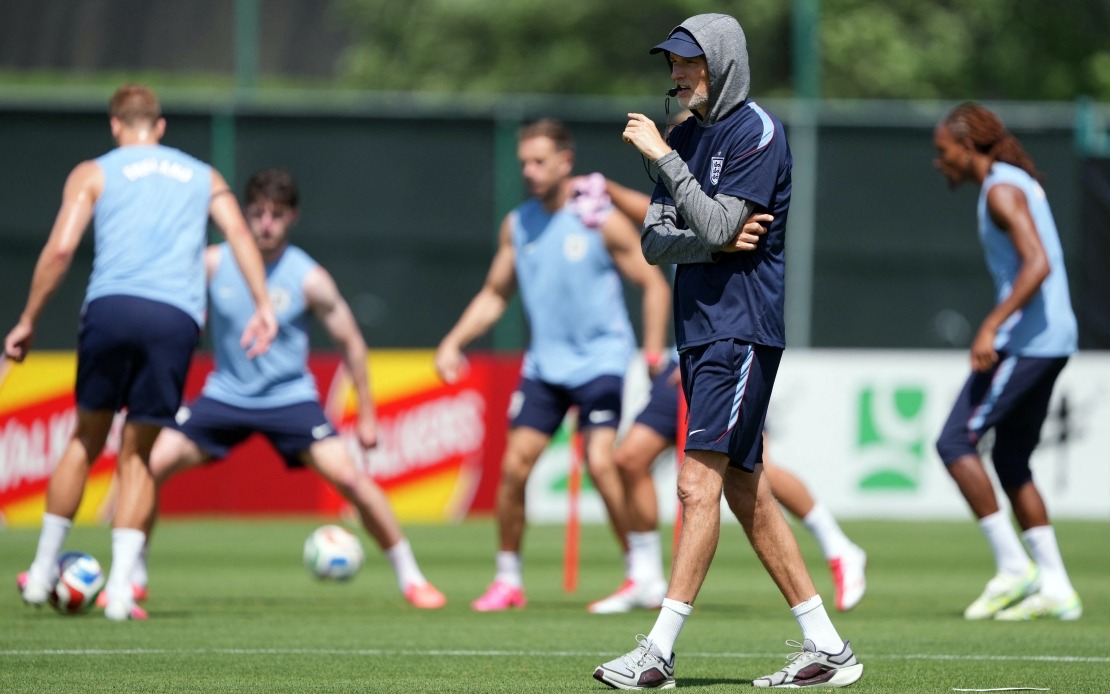
England's World Cup campaign reaches its knockout phase on Wednesday with a match specifically scheduled to allow younger supporters to tune in during teatime hours, a rarity during the tournament that has prompted manager Thomas Tuchel to emphasize the importance of creating a positive experience for the next generation of Three Lions fans.
The round-of-32 encounter against the Democratic Republic of Congo at 5 pm United Kingdom time represents a significant departure from England's group-stage fixture timings. Earlier matches in the tournament, including games against Croatia and Ghana, were scheduled for 9 pm starts, while the recent Panama victory began at 10 pm. The afternoon slot for Wednesday's Atlanta clash creates an opportunity for children with school commitments to witness their first England match of the competition without staying up late.
Tuchel's comments reveal his awareness that the unusual timing carries expectations beyond typical match performance. The German manager emphasized his desire to transmit the team's collective spirit and emotional investment through television screens, recognizing that many young viewers will be watching with bedtime restrictions in mind. He acknowledged the challenge of balancing entertainment value with the unpredictability of international football, particularly against an opponent unlikely to prioritize attacking play.
The England boss cautiously addressed the question of match entertainment, suggesting that tactical discipline and defensive organization can be equally engaging to spectators as free-flowing attacking football. He noted the impossibility of predicting Congo's approach, while emphasizing that the team's energy and commitment to their objectives would speak louder than any pre-match promises about style of play. Tuchel's pragmatic assessment reflects the reality that knockout football at major tournaments often prioritizes results over aesthetic considerations.
Despite targeting a comfortable victory within normal time, England must prepare for extended play if required. The prospect of extra time and potential penalties means the match could extend well beyond the advertised afternoon slot, potentially testing the patience of young viewers with early school starts the following morning. This contingency planning forms part of the team's comprehensive preparation for a tie that, on paper, should not present insurmountable obstacles.
Goalkeeper Jordan Pickford echoed the squad's readiness for any scenario that might unfold. The England custodian highlighted the team's thorough preparation for situations extending beyond the initial ninety minutes, including dedicated penalty-shootout training. His comments underscored the professionalism and meticulous planning that contemporary international football demands, particularly in knockout competitions where marginal advantages can prove decisive.
The scheduling decision reflects broader tournament organization aimed at expanding the global audience for World Cup football. By offering matches at varied kick-off times, organizers attempt to accommodate viewers across different time zones and domestic commitments. For England, the afternoon start represents both an opportunity to showcase their quality to a demographically younger television audience and a practical consideration for families managing school schedules.
Tuchel's repeated references to transmitting team spirit suggests his coaching philosophy extends beyond tactical instruction to encompassing emotional connection with supporters. He appears intent on using Wednesday's match as a statement of intent, demonstrating that elite football professionals take seriously their responsibility to inspire younger generations. This broader cultural mission complements the immediate objective of advancing to the quarter-finals.
England's progression to the knockout stage came with relative comfort, though their path through the group phase was not without scrutiny. The Democratic Republic of Congo, meanwhile, represent an opponent whose defensive organization and physical approach could test England's attacking fluency. The team's ability to break down organized opposition while maintaining the energy and commitment Tuchel values will likely determine whether the match delivers the entertainment he hopes to provide young viewers.
The practical realities of modern tournament football mean that Wednesday's fixture, despite its early kickoff time, carries the same intensity and pressure as any knockout match. England's squad will be acutely aware that underestimating any opponent, regardless of perceived relative strength, constitutes a fundamental tactical error. The combination of afternoon scheduling and high-stakes football creates a unique pressure environment that demands professional execution and mental composure.
For Malaysia and Southeast Asian supporters following England's campaign, the match represents a compelling contest that bridges sporting drama with the specific scheduling considerations that make international tournaments complex logistical undertakings. The emphasis on delivering for younger audiences also highlights how modern football recognizes its role in nurturing sustained supporter engagement across generations, a consideration increasingly central to how major competitions structure their fixture lists and timing decisions.

