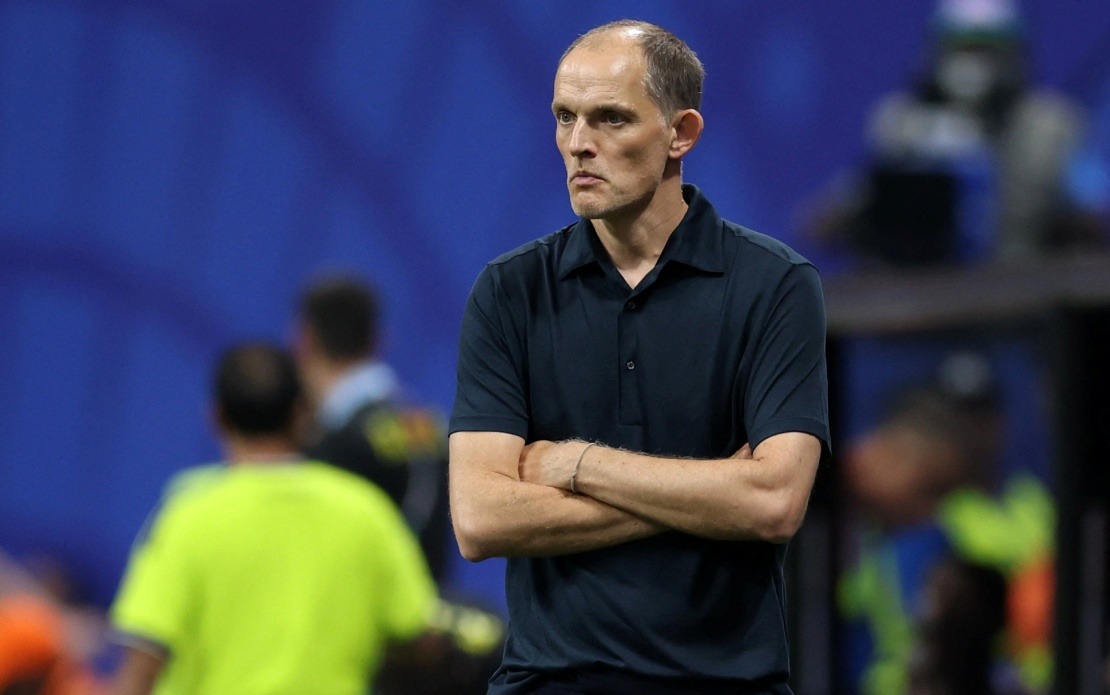
Thomas Tuchel faced a barrage of criticism in the aftermath of England's 2-1 World Cup semi-final defeat to Argentina in Atlanta on Wednesday, as late goals from Enzo Fernandez and Lautaro Martinez undid Anthony Gordon's first-half advantage. Yet the German manager stood firm in his conviction that his strategic choices were appropriate, even as observers and armchair analysts immediately questioned his substitution decisions and overall approach during the decisive match.
The circumstances of the defeat proved particularly galling for the England camp, who had engineered what appeared to be a commanding position through Gordon's 55th-minute goal. However, the team's inability to consolidate this advantage became the defining narrative of the encounter. Fernandez levelled the match with just five minutes remaining on the clock, before Argentina's defending world champion status was underscored when substitute Martinez claimed a stoppage-time winner that sent the South American side through to the final.
Tuchel's primary acknowledgment centred on his team's deteriorating intensity and control as the match progressed beyond their goal. He readily conceded that England had grown "too passive" following Gordon's strike, allowing Argentina to gradually seize the initiative despite being behind. This shift in momentum proved catastrophic, as the defending champions peppered the England defence with crosses, half-chances, and shooting opportunities that accumulated into an overwhelming pressure. The manager recognised that his side had squandered the psychological advantage that comes from scoring first in a knockout competition.
When pressed about the defensive substitutions he had deployed in an attempt to shore up the team's position, Tuchel rejected the suggestion that structural changes had undermined England's prospects. He clarified that the tactical framework remained consistent at 4-4-2, with no fundamental shift in formation or positioning. Rather, he contended that the problem manifested in execution and collective intensity rather than in the blueprint itself. The team's inability to win back possession and maintain control of the ball stemmed from their performance level, not from a flawed defensive strategy.
The England boss revealed his reasoning for avoiding attacking substitutions despite the pressure to pursue a second goal. Tuchel explained that he did not believe introducing fresh attacking personnel would have generated meaningful improvement given how the match was unfolding. The choice reflected a pragmatic assessment that Argentina's momentum and England's declining shape meant that additional offensive players would likely have exposed the defence further without guaranteeing attacking dividends. This thinking reveals the complexity of in-game decision-making at the highest level, where managers must weigh multiple competing considerations within seconds.
Tuchel's analysis of England's overall performance throughout the ninety minutes, however, offered a perspective that somewhat countered the narrative of capitulation. He contended that his team had produced one of their better performances under his tenure, particularly given the pressurised circumstances of a World Cup semi-final. The manager suggested that England merited their 1-0 advantage based on the quality of their play before the turning point, indicating that the defeat did not stem from systematic inadequacy but rather from a specific period of vulnerability that Argentina ruthlessly exploited.
The backlash from media commentators and supporters intensified quickly following the final whistle, with many questioning whether Tuchel's in-game management had accelerated the team's decline. This criticism forms part of a broader pattern in football where managerial decisions become subject to intense scrutiny and second-guessing, particularly when outcomes prove negative. For Malaysian and Southeast Asian football enthusiasts accustomed to observing European elite coaching, Tuchel's measured response to this scrutiny exemplifies how top managers at this level typically navigate defeat whilst maintaining their conviction in their professional judgment.
Notably, Tuchel refrained from expressing regret over his tactical decisions, even as he acknowledged the heartbreak of coming within touching distance of the final. This stance reflects a manager's need to maintain credibility with his squad and staff while processing an emotionally devastating result. Expressing doubt about his own decisions in the immediate aftermath could have undermined his authority, particularly given that England had demonstrated competitive capability for extended periods of the match.
The defeat represents a significant setback for English football's ambitions on the global stage, coming at a moment when expectations had built substantially around this squad's capabilities. For regional observers, the match offered insights into how elite coaching decisions unfold during high-stakes competitions, and how the margins between progression and elimination can narrow dramatically in brief periods. Argentina's comeback victory, clinched by a defending world champion side, reinforced their status as formidable tournament operators who possess the resilience and experience to exploit opponents' momentary lapses.
Tuchel's post-match commentary underscores the often-overlooked reality that football analysis at the professional level involves nuanced judgments that extend beyond surface-level tactical observations. His insistence that structural problems did not underlie the defeat, whilst simultaneously acknowledging tactical passivity, highlights how teams can execute their intended game plan adequately yet still falter when intensity, focus, or execution deteriorates. This distinction carries particular relevance for developing football nations seeking to understand how elite managers diagnose and address performance issues in real time.

