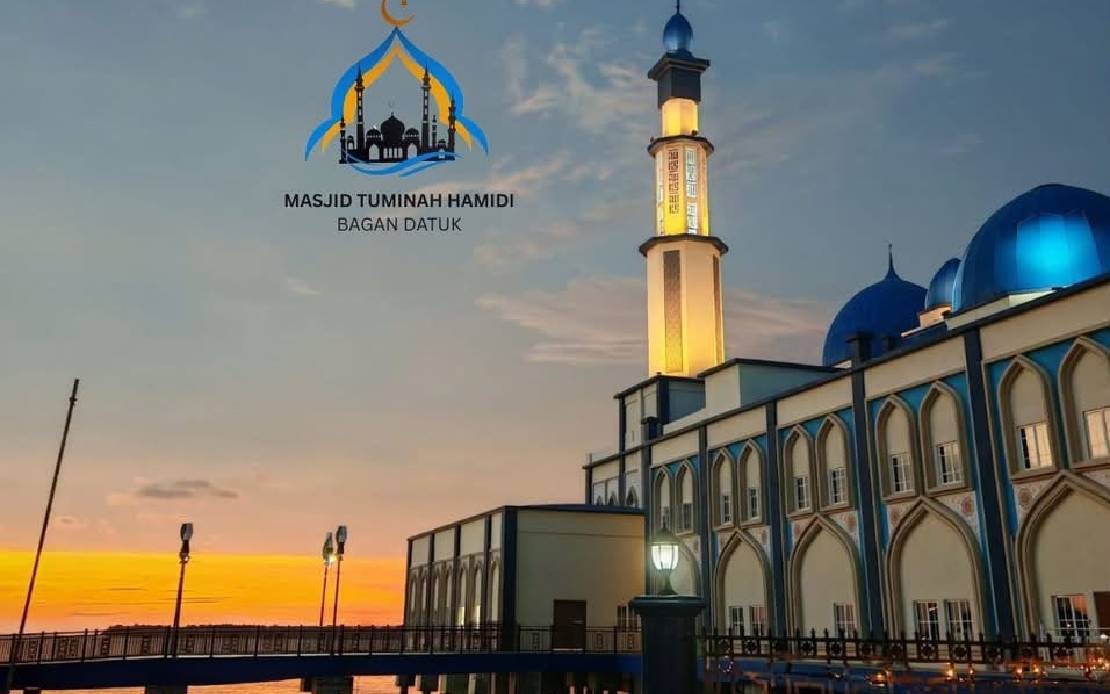
Malaysia is set to celebrate its first-ever National Mosque Open Day at the Tuminah Hamidi Mosque in Bagan Datuk, Perak, from August 13 to 15, marking a significant milestone in the nation's efforts to position itself as a globally recognized Muslim-friendly destination. The three-day inaugural event, organised by the Islamic Tourism Centre under the Ministry of Tourism, Arts and Culture, represents an ambitious attempt to reframe public perception of mosques beyond their traditional role as purely religious sanctuaries, inviting citizens and international visitors of all faiths to experience Islamic culture, heritage and hospitality in an inclusive setting.
The initiative carries particular importance for Malaysia's broader tourism and cultural agenda. As the country intensifies efforts to strengthen its standing as a premier Muslim-friendly tourism hub, opening mosques to wider communities signals a commitment to cultural bridge-building and religious tolerance. This strategy recognises that mosques can serve simultaneously as places of spiritual devotion and as dynamic cultural institutions that foster dialogue, learning and shared understanding among diverse populations. The event thus positions Malaysia as a nation confident enough in its Islamic values to welcome scrutiny and participation from people regardless of their own religious backgrounds.
The three-day programme has been carefully structured to appeal to multiple audiences with varying interests and demographics. Opening on August 13, the inaugural day emphasises spiritual and cultural enrichment through performances and religious guidance. The Nur Ahli Badar group will perform Qasidah, a form of Islamic vocal poetry that blends traditional Middle Eastern musical influences with Malaysian sensibilities, while respected religious scholars Ustaz Habib Ali Zaenal Abidin Alhamid and Ustaz Habib Najmuddin Othman Alkhered will deliver short sermons addressing contemporary Islamic teachings. This programming suggests organisers understand that meaningful engagement with Islamic culture extends beyond passive tourism into active spiritual and intellectual participation.
August 15 transforms the celebration into a vibrant community festival at Dataran Bagan Datuk, featuring activities designed to engage families and younger visitors who might otherwise feel disconnected from mosque spaces. A morning brisk walk led by actor Bell Ngasri creates an accessible entry point for health-conscious participants, while traditional games and a 3x3 street soccer tournament blend cultural continuity with modern recreational interests. These physical activities underscore an important message: that mosques anchor communities in ways that extend far beyond prayer times, encompassing wellness, leisure and intergenerational bonding.
For culturally curious visitors and those with specialist interests, the programme offers substantive engagement with Islamic heritage. Demonstrations of khat, the Islamic calligraphy tradition that represents both artistic expression and spiritual discipline, allow observers to appreciate the aesthetic dimensions of Islamic civilisation. An azan competition, celebrating the Islamic call to prayer, provides rare public exposure to this cornerstone of Muslim daily life. These elements transform the event from mere spectacle into genuine cultural education, helping non-Muslim visitors develop informed appreciation rather than superficial familiarity.
The inclusion of e-sports competitions and archery alongside traditional activities reflects contemporary Malaysian society's blended identity. Rather than presenting Islamic culture as exclusively historical or traditional, programmers have integrated activities that resonate with modern youth interests. This approach acknowledges that cultural appreciation for younger generations often requires contemporary vehicles and that exclusionary programming risks alienating the very demographics most crucial to Malaysia's future social cohesion and tourism potential.
Admission is free and deliberately barriers-free in welcoming visitors irrespective of race, religion or nationality. This policy carries practical and symbolic weight. It removes financial obstacles that might prevent lower-income Malaysians from participating while signalling genuine inclusivity rather than tokenistic openness. For international visitors, particularly those harbouring misconceptions about Islam or Muslim-majority nations, the promise of genuine access to authentic cultural spaces offers invaluable corrective experiences that no marketing campaign could achieve alone.
Deputy Prime Minister Datuk Seri Dr Ahmad Zahid Hamidi's official launch of the 2026 event signals government-level commitment to this initiative, suggesting the programme enjoys high-level political backing and substantial resource allocation. This endorsement may also indicate that the government views mosque engagement and Islamic cultural diplomacy as strategic priorities worthy of ministerial-level attention, positioning them alongside conventional tourism initiatives.
The National Mosque Open Day represents a logical evolution of the Islamic Tourism Centre's existing monthly mosque open-door programmes held across the country. By elevating one such initiative to national status with dedicated sponsorship and publicity, Malaysian authorities are testing and potentially scaling a model that could reshape how mosques function within society. If the Bagan Datuk event succeeds in attracting significant visitor numbers and generating positive community feedback, replicating this model at major mosques nationwide could fundamentally alter Malaysian Muslims' relationship with their religious institutions and non-Muslims' understanding of Islam in their country.
The initiative also addresses a broader Southeast Asian context where religious polarisation has occasionally strained communal relations. Malaysia's deliberate investment in institutional opening and cultural exchange through the mosque channel offers a template potentially relevant to neighbouring countries navigating similar tensions. The event implicitly argues that religious institutions themselves can serve as vehicles for harmony-building rather than sources of community division, provided they approach outreach with genuine hospitality and substantial programming quality.
For the tourism sector specifically, this event represents sophisticated product development. Rather than recycling standard heritage tourism offerings, the National Mosque Open Day creates an experiential category almost entirely absent from regional tourism markets. Visitors seeking authentic cultural immersion, families wanting educational weekend activities and individuals exploring Islamic civilisation now have a comprehensive, free platform combining spiritual, recreational and educational elements in a single location.

