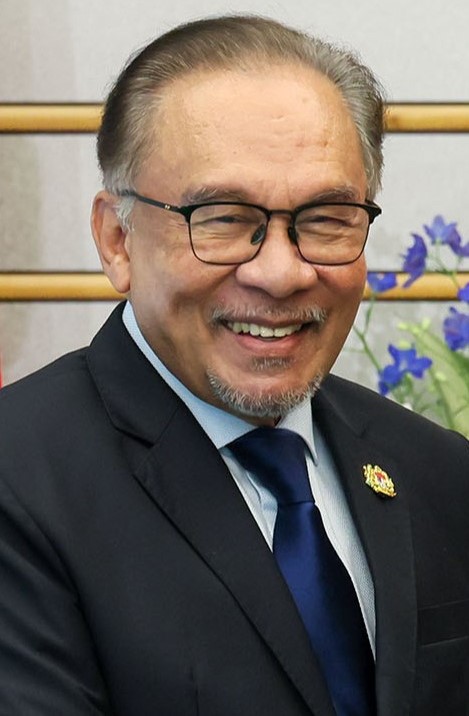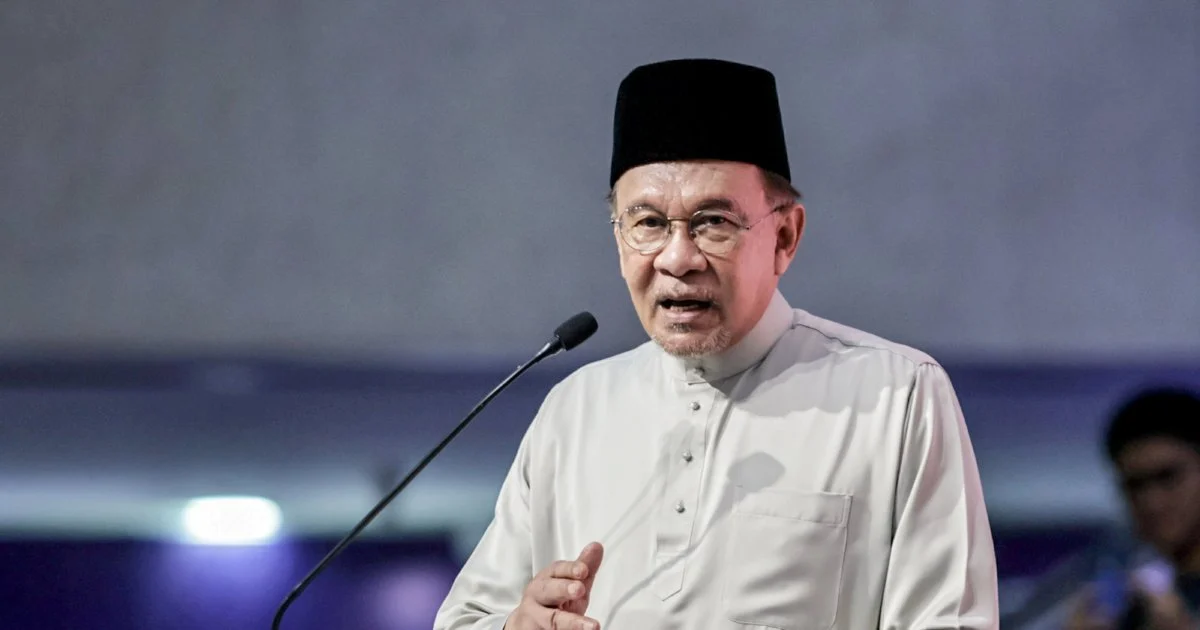
The Tunku Mahkota of Johor, Tunku Ismail Sultan Ibrahim, received Prime Minister Datuk Seri Anwar Ibrahim during a scheduled audience in the nation's capital today, with sources close to both parties confirming the encounter proceeded in a cordial and harmonious manner.
Such high-level meetings between the heir to the Johor throne and the nation's leader carry significant symbolic weight in Malaysia's constitutional monarchy system. The Tunku Mahkota, as the state's senior royal figure after the Sultan, plays an important ceremonial and advisory role within Johor's governance framework. These audiences typically provide opportunities for the federal leadership to maintain strong working relationships with the country's various royal households, whose support remains essential to Malaysia's political stability.
The exact agenda of the meeting was not detailed in official statements, though such gatherings often encompass matters of mutual concern to both federal and state governments. The emphasis placed on describing the meeting as both cordial and harmonious suggests officials wanted to underscore the constructive nature of their engagement, signalling to observers that relations between the Prime Minister's office and the Johor palace remain positive.
Maintaining harmonious ties with the royal houses has long been a priority for Malaysian Prime Ministers across different administrations. The Johor sultanate, as one of Malaysia's most prominent traditional kingdoms, wields considerable influence within the broader federal structure. Tunku Ismail Sultan Ibrahim, in particular, has cultivated a public profile characterised by engagement with contemporary issues, including business, sports, and social development within Johor.
The meeting in Kuala Lumpur rather than in Johor itself indicates that the Prime Minister initiated formal diplomatic protocol by making the journey to the capital. Such venues for royal audiences carry procedural significance under Malaysia's constitutional arrangements, with the choice of location sometimes reflecting the nature and formality of discussions.
For Prime Minister Anwar Ibrahim specifically, maintaining strong palace relationships carries particular importance given the complex political environment Malaysia has navigated in recent years. Coalition stability and broad stakeholder consensus on major policy directions remain crucial for effective governance. The Tunku Mahkota's willingness to grant audience signals openness to continued cooperation between federal and state-level leadership structures.
Regional observers often examine the tenor of high-level meetings between federal leaders and royal figures as indicators of political alignment and institutional stability. The characterisation of today's meeting as harmonious provides reassurance to both domestic constituencies and international actors monitoring Malaysia's political trajectory that key institutions remain aligned on matters of shared interest.
The Johor sultanate has historically maintained a measured but influential role in national affairs. Tunku Ismail Sultan Ibrahim, who assumed his title in 2015, has demonstrated willingness to engage with modern governance challenges while preserving the institution's traditional authority and cultural significance. His meetings with federal leaders often touch upon matters ranging from economic development and state autonomy to broader questions of constitutional governance.
For the Prime Minister's office, the meeting underscores an administration committed to building bridges across Malaysia's federal structure and respecting the legitimate roles of state-level institutions. In a country where power is constitutionally shared between federal and state governments, such visible cordial relations help reinforce a message of institutional cooperation and mutual respect.
The absence of detailed announcements regarding specific outcomes or commitments from today's audience suggests both parties preferred to keep substantive discussions confidential, which is standard practice in high-level palace meetings. However, the willingness of both camps to allow media coverage of the audience itself demonstrates a commitment to transparency about the fact of their engagement, even if not the detailed substance.
Going forward, such regular audiences between the Prime Minister and senior royal figures help maintain institutional channels of communication that can prove valuable when navigating complex policy questions or political challenges. The successful tone of today's meeting provides a foundation for continued cooperation on matters of mutual importance to both the federal government and the state of Johor, reinforcing the broader framework of constitutional governance that underpins Malaysia's political system.