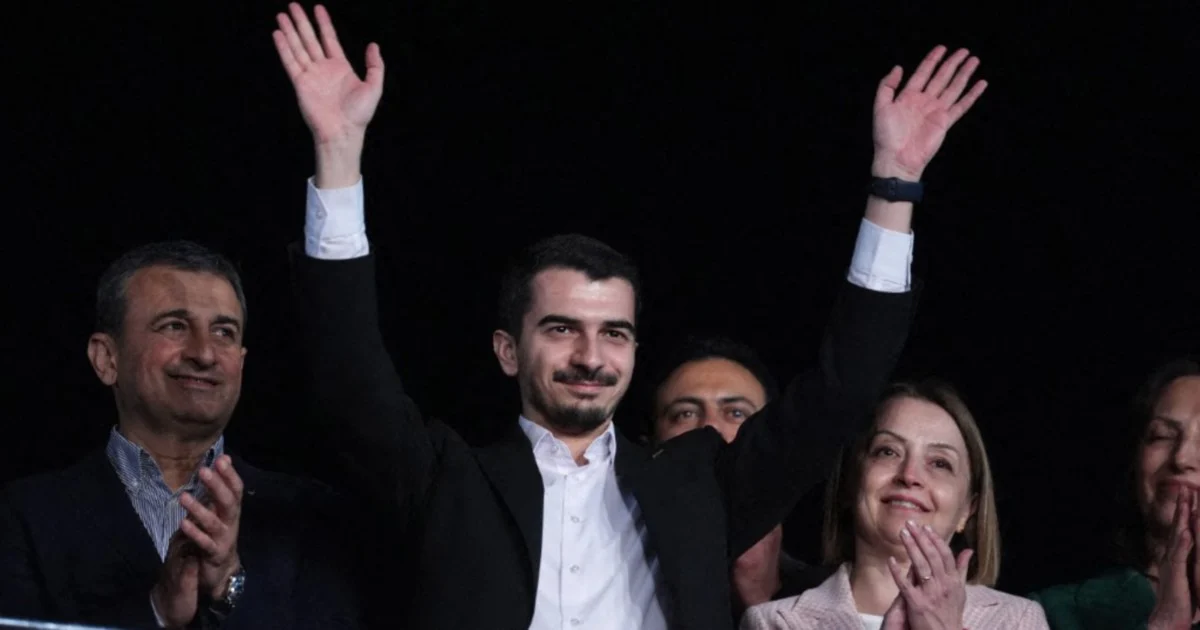
Turkish authorities have moved decisively against alleged corruption networks operating within a major Ankara district, ordering the detention of 36 people as part of a sweeping investigation into bribery and contract manipulation. The operation, disclosed by the Ankara chief prosecutor's office, marks a significant escalation in anti-corruption enforcement and has drawn immediate political attention given the involvement of a municipal administrator from the opposition bloc.
The investigation centres on systematic attempts to manipulate public procurement processes, a pervasive problem across Turkey and much of Southeast Asia where competitive tendering systems remain vulnerable to insider influence. By securing detention orders for multiple suspects simultaneously, prosecutors signalled confidence in their case evidence and indicated that the alleged misconduct extended across networks rather than isolated instances.
The inclusion of the opposition-held district mayor in the inquiry carries particular weight within Turkey's polarised political landscape. Such investigations can either demonstrate prosecutorial independence or invite accusations of selective targeting, depending on how observers interpret enforcement patterns. The timing and scope will likely fuel debate about whether anti-corruption mechanisms function impartially across party lines, a concern that resonates with accountability discussions throughout the region.
Tender-rigging represents one of the most damaging forms of institutional corruption, as it diverts public resources away from legitimate competitive allocation and undermines citizen trust in government procurement. When officials collude with private bidders to predetermine contract outcomes, the practice inflates costs, reduces service quality, and steals opportunities from qualified competitors. Turkish authorities have historically struggled to contain such schemes, making this intervention noteworthy as evidence of intensified prosecutorial focus on this category of financial crime.
The detention of 36 individuals reflects either an extraordinarily large conspiracy or multiple related schemes operating within the same municipal jurisdiction. Either scenario suggests sophisticated networks capable of evading oversight mechanisms designed to prevent corruption. Turkish prosecutors will need to demonstrate clear chains of evidence connecting individual suspects to specific acts, proving knowledge and intent to constitute criminal liability rather than mere negligence or administrative irregularity.
For Malaysian observers, this case illustrates how opposition-controlled municipalities can become targets of investigation in politically contested environments. While proper anti-corruption enforcement protects public interests regardless of which party holds office, the appearance of selective prosecution can undermine democratic institutions and discourage political participation. Malaysia's experience with multi-level government and competing political blocs makes such concerns particularly salient for local governance standards.
The investigation's focus on Ankara, Turkey's capital and a district with significant administrative functions, suggests the alleged corruption potentially affected substantial public assets and services. Capital city administrations typically oversee larger budgets and more complex procurement requirements than provincial counterparts, amplifying the financial impact of any systematic bid manipulation or bribery schemes discovered during the inquiry.
Turkey's judicial system faces continuing scrutiny regarding the independence of prosecutors and judges, particularly in cases involving high-profile political figures or opposition-aligned officials. International observers will monitor how fairly the investigation proceeds and whether evidence standards applied here match those used in cases involving government-aligned administrators. The credibility of anti-corruption enforcement depends substantially on consistent application of legal standards across political dividing lines.
The detention orders indicate that preliminary evidence satisfied judicial thresholds for believing suspects had committed crimes and posed flight risks or evidence-tampering dangers. Turkish law permits detention based on such assessments, though defence lawyers will likely challenge the necessity and proportionality of holding all 36 individuals during investigation phases, potentially arguing that less restrictive conditions would suffice for many suspects with family ties and established residences.
Regional implications extend beyond Turkey itself, as Southeast Asian governments struggle similarly with procurement corruption and face equivalent challenges maintaining investigative integrity amid political polarisation. How Turkish authorities resolve this case—whether through transparent trials producing robust convictions or through processes questioned as politically motivated—will offer instructive lessons regarding institutional resilience and the difficulty of balancing accountability with democratic fairness.
The prosecution's next steps will involve detailed examination of documentary evidence, communications records, and testimony from whistleblowers or cooperating witnesses. Financial investigators will trace fund flows to establish which officials or private parties benefited from alleged tender manipulation. Building prosecutable cases against 36 individuals simultaneously demands sophisticated forensic accounting and coordination across multiple investigative teams.

