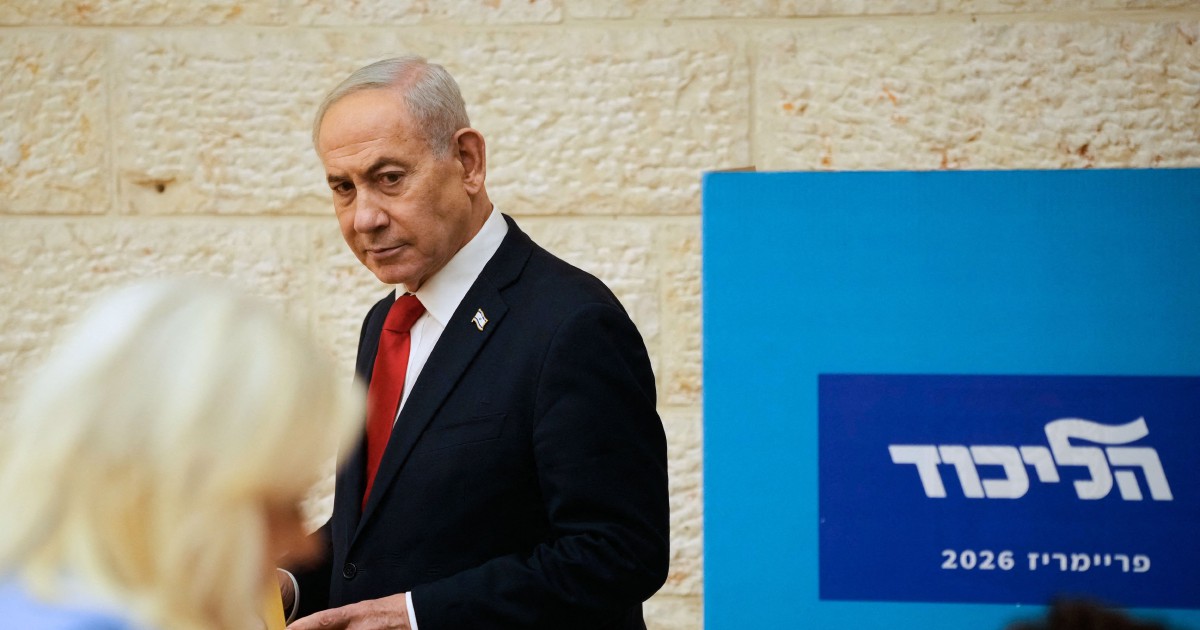
Ankara announced Friday that it has issued an international arrest warrant for Israeli Prime Minister Benjamin Netanyahu as investigations proceed into the circumstances surrounding Israel's interception of a humanitarian aid vessel bound for Gaza. Justice Minister Akin Gurlek made the announcement public on the social media platform X, marking a significant escalation in Turkish legal action against the Israeli leader.
The warrant represents Turkey's most direct legal challenge to Netanyahu personally and signals deepening tensions between Ankara and Jerusalem over Israel's military operations in Gaza. The move comes as the conflict in the Palestinian territory continues to dominate regional geopolitical concerns and has become a focal point for Middle Eastern nations seeking to hold Israeli leadership accountable through international legal mechanisms.
Turkey has long positioned itself as a vocal critic of Israeli policies in Gaza, with the government consistently using diplomatic channels and legal proceedings to express its opposition. The issuance of the arrest warrant underscores how the Palestinian conflict has become intertwined with bilateral relations between Turkey and Israel, transforming diplomatic disputes into formal criminal matters within Turkey's legal framework.
The flotilla incident that triggered the investigation involves an aid convoy intended to deliver humanitarian supplies to Gaza's civilian population. Turkey views Israel's interception of such vessels as violations of international maritime law and humanitarian principles. Turkish authorities have characterised the action as an obstruction of legitimate relief efforts to address the humanitarian crisis in Gaza.
For Malaysia and other Southeast Asian nations, Turkey's legal action carries particular significance as it demonstrates how countries outside the immediate Middle Eastern theatre are engaging with the Israeli-Palestinian conflict through formal international mechanisms. ASEAN nations, which have historically maintained cautious diplomatic positions on Middle Eastern disputes, may find themselves navigating these escalating legal and political dimensions as pressure mounts from various quarters to take stronger stances.
The warrant is issued through Turkey's judicial system but carries international implications given Interpol's role in coordinating arrest warrants across nations. However, Netanyahu's immunity as a sitting head of government, his minimal international travel, and Israel's own legal framework present significant practical barriers to enforcement. The move is therefore more symbolic than immediately consequential, yet it establishes a legal precedent that could influence future cases and strengthen Turkey's position in international forums addressing Middle East concerns.
Turkey's approach reflects broader regional dynamics where countries are employing legal instruments to challenge Israeli actions they view as disproportionate or contrary to international law. This strategy complements diplomatic pressure at the United Nations and in regional organisations, creating multiple avenues through which nations express their grievances. For observers in Malaysia and the wider Southeast Asia, understanding these legal manoeuvres is essential for predicting how Middle Eastern tensions might translate into global diplomatic and legal consequences.
The announcement from Justice Minister Gurlek indicates that Turkish authorities have completed preliminary investigations sufficient to establish grounds for an international arrest warrant. This procedural milestone suggests that Turkish legal teams have gathered evidence and documentation supporting their assertions regarding the flotilla interception. The specificity of the charges, however, remains to be fully detailed as the case develops through Turkey's legal system.
International law experts note that such warrants, while carrying symbolic weight, operate within complex frameworks of state sovereignty and immunity provisions. Countries must weigh their legal obligations to detain individuals subject to Interpol red notices against political considerations and bilateral relations. This tension is particularly acute when the subject is a serving head of government of a major regional power.
The timing of Turkey's announcement reflects the continued intensity of the Gaza crisis and its ability to generate sustained diplomatic and legal responses months into the conflict. As international attention to Palestinian humanitarian conditions persists, other nations may consider similar legal actions, potentially establishing a pattern where Israeli and Palestinian leadership face mounting legal challenges across multiple jurisdictions.
For Malaysia's foreign policy establishment, Turkey's move presents important considerations regarding how to balance advocacy for Palestinian causes with practical diplomatic relations and international law compliance. The precedent may influence discussions within ASEAN about collective responses to the conflict and whether member states should pursue individual legal actions or coordinate through multilateral bodies.
The warrant also reflects Turkey's broader strategic positioning as a Muslim-majority nation with significant international standing, seeking to translate popular sentiment regarding Gaza into formal legal action. This approach allows Ankara to demonstrate responsiveness to domestic and regional pressure while using institutional frameworks to challenge Israeli actions that it deems unjustifiable under international law.

