A violent confrontation in Singapore's entertainment district has drawn fresh attention to rising street crime in the city-state. Police and emergency responders were dispatched to the junction of Orchard Road and Buyong Road just after 3am on Thursday, July 2, following reports of a brawl near a late-night establishment. The incident resulted in two arrests and four hospitalisations, underscoring what law enforcement officials describe as a concerning spike in weapon-related violence.
Upon arrival, officers found four men, each aged 38, bearing injuries sustained during the clash. Three suffered lacerations while the fourth had sustained minor injuries. All four were transported to Tan Tock Seng Hospital while conscious and in stable condition. The swift response from emergency services prevented what could have escalated into a more serious situation, though the nature of their injuries suggested considerable force had been applied during the altercation.
Following preliminary investigation work at the scene, police apprehended two suspects aged 25 and 27 on suspicion of voluntarily causing hurt through dangerous means. This formal charge carries significant weight in Singapore's criminal framework, reflecting the severity with which authorities treat weapon-involved assaults. The older suspect was subsequently conveyed to the same hospital for medical evaluation, remaining conscious throughout the process. Officers also recovered a knife at the location, which was seized as evidence for forensic analysis.
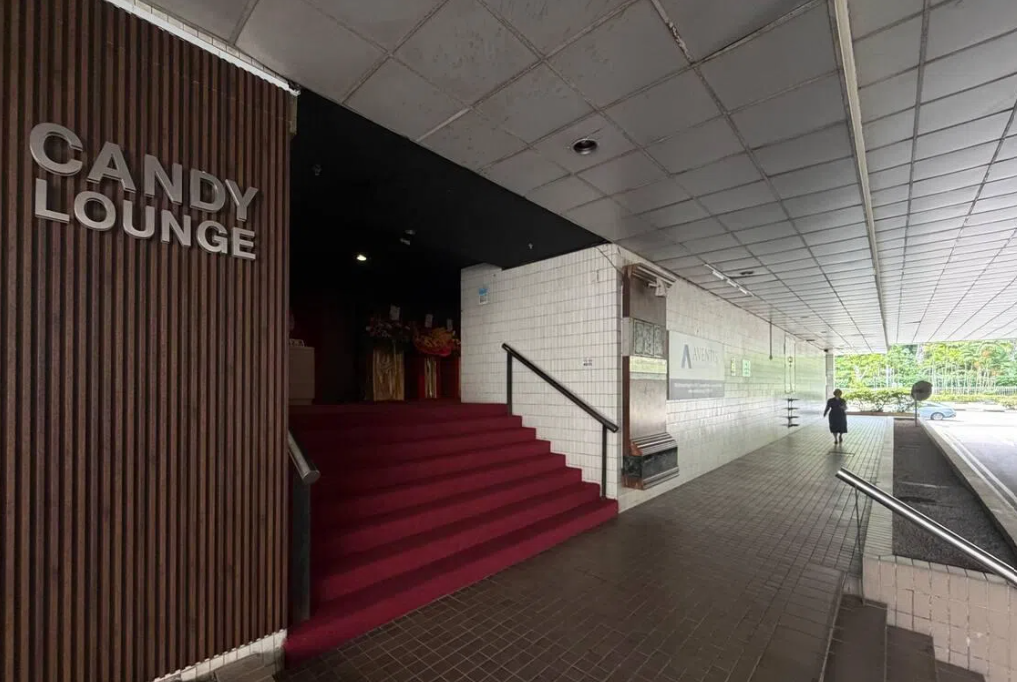
Local Chinese-language media reported that the incident stemmed from a clash between two distinct groups outside Candy Lounge, with both apparently being patrons of the establishment. The altercation allegedly turned serious when one individual sustained a stab wound to the neck, suggesting the confrontation moved beyond fisticuffs into territory that could prove life-threatening. The specifics of what triggered the initial disagreement remain under investigation, with police continuing to gather statements and corroborating evidence from witnesses.
Candy Lounge operates on a schedule characteristic of Singapore's nightlife sector, welcoming patrons from 10pm until 3am on weekdays, with extended operating hours until 4am on Saturdays and public holidays. The venue's presence in the Orchard Road precinct places it within one of Singapore's most vibrant and closely monitored commercial zones. That the incident occurred within the establishment's standard closing window raises questions about security protocols and whether adequate measures exist to manage patron behaviour during late-night operations.
When journalists visited the location at approximately 9.20am, the scene appeared entirely normalised. Police and civil defence personnel had departed, traffic flowed without obstruction, and ordinary commercial activity had resumed. Shop owners operating a money changer and convenience store in adjacent Orchard Plaza, located mere metres from the junction, indicated they had received no notification of the overnight incident and remained unaware anything unusual had transpired. This disconnect between a serious public safety event and the broader commercial community's awareness highlights how quickly and thoroughly authorities manage such incidents in Singapore's closely regulated environment.
The incident arrives against a backdrop of escalating weapon-related violence across Singapore. Statistics compiled for the first half of 2025 document 75 knife-related incidents, representing a troubling 27 per cent increase compared to the equivalent period in 2024, when 59 such cases were recorded. This upward trajectory has prompted growing concern among police leadership and policymakers about underlying factors contributing to a shift in the nature of street violence, particularly the increasing prevalence of bladed weapons as instruments of assault. The trend reverses decades of success in maintaining Singapore's reputation as exceptionally safe relative to comparable global cities.
The circumstances of this particular incident—occurring outside a commercial entertainment venue, involving apparently young perpetrators, and resulting in weapon involvement—align with patterns investigators have identified in recent months. The fact that both victims and perpetrators were young adults raises questions about whether sociological factors, including changing patterns of leisure-time aggression or substance use, may be playing a role. Police have indicated ongoing investigations into the specific motivations and circumstances of this incident.
For Malaysian and Southeast Asian readers, Singapore's experience carries broader implications. The island nation's sophisticated law enforcement apparatus and dense security infrastructure have historically maintained exceptionally low violent crime rates, making recent upward trends all the more notable. Regional observers have begun noting that even cities with the most advanced crime prevention systems experience periodic spikes in weapon-related violence, suggesting that demographic, economic, or cultural shifts can produce measurable impacts on public safety regardless of institutional strength. As the region urbanises and entertainment precincts expand, similar patterns may emerge elsewhere in Southeast Asia, warranting proactive policy discussions.
Authorities have not released further details regarding the two arrested individuals, their specific roles in the altercation, or potential charges beyond the initial arrest categorisation. The police statement confirms investigations remain active, suggesting additional charges or developments may emerge as evidence gathering continues. The seized knife will undergo forensic examination to establish definitively its involvement in the injuries sustained. Officials have also presumably been reviewing CCTV footage from the incident location and surrounding commercial establishments to construct a comprehensive timeline and determine the sequence of events that escalated the confrontation.

