Authorities at Singapore's Woodlands Checkpoint have apprehended two men who attempted to bring illegal cigarettes and vapes into the city-state via motorcycle in separate operations conducted on consecutive days last month. The Immigration and Checkpoints Authority announced the arrests on Thursday, highlighting the persistent challenge of cross-border smuggling through the region's busiest land crossing.
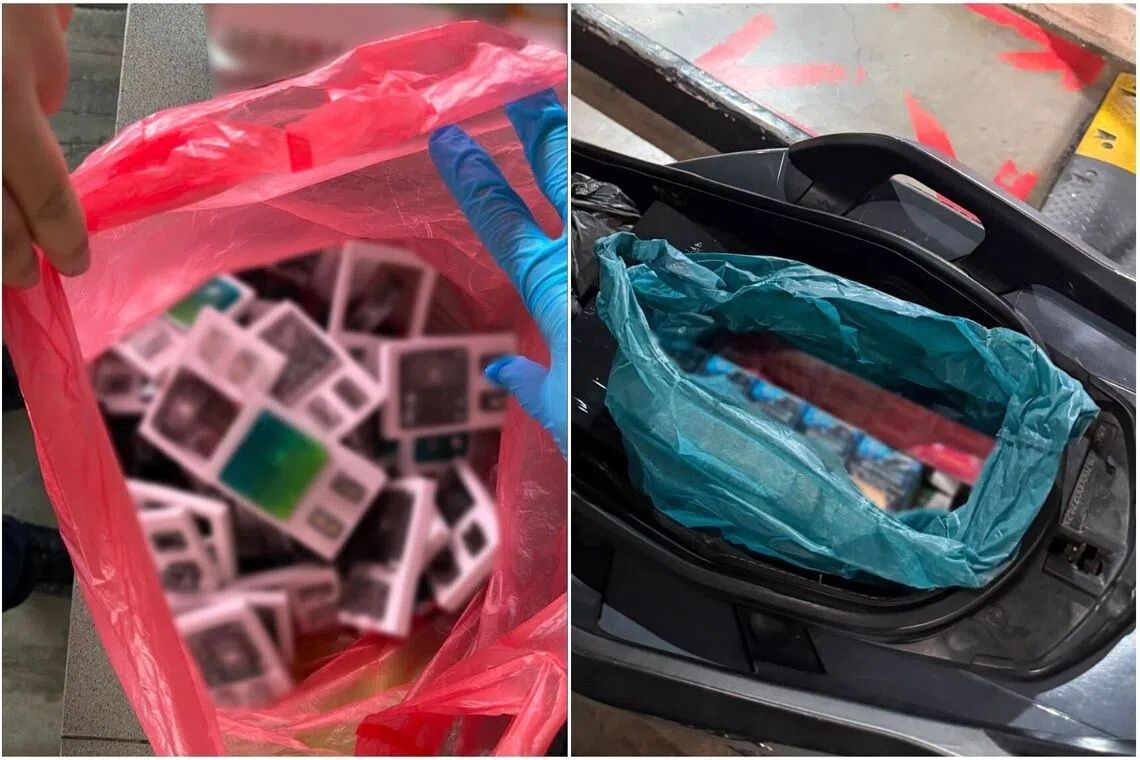
The first interception occurred on 3 August when ICA officers flagged a Malaysia-registered motorcycle for additional inspection. Upon examination of the vehicle's storage compartment, officers discovered more than 30 packets of duty-unpaid cigarettes alongside over 60 vaping devices and their associated components. The contraband appeared to have been deliberately concealed to evade detection at the checkpoint.
Following this discovery, authorities intensified monitoring efforts. The following day, on 4 August, officers identified a Singapore-registered motorcycle attempting to bring similar prohibited items across the border. This search uncovered 25 full cartons and 30 individual packets of duty-unpaid cigarettes, together with more than 60 vaping devices. The items had been distributed across multiple hiding spots — both beneath the motorcycle's seat and within its storage box — suggesting a deliberate attempt to distribute the load and reduce the likelihood of complete discovery.
The arrested individuals comprise a 46-year-old Malaysian national and a 51-year-old Singaporean resident. Both men were handed over to Singapore Customs and the Health Sciences Authority for further investigation and potential prosecution. The handover signals the complexity of such cases, which typically involve multiple agencies examining the smuggling operation's scope, coordination, and potential links to larger trafficking networks.
Singapore maintains exceptionally strict regulations governing tobacco and nicotine products, policies that create substantial enforcement responsibilities for border authorities and carry particularly severe consequences for violators. Those convicted of involvement in the cigarette black market—whether purchasing, selling, transporting, storing, or possessing duty-unpaid products—face penalties reaching 40 times the evaded duty and taxes, imprisonment for up to six years, or both sentences imposed concurrently. Additionally, any vehicle employed in such offences faces automatic forfeiture, effectively eliminating the smuggler's means of operation.
The vaping element of these cases underscores Singapore's comprehensive prohibition on nicotine inhalation devices. The city-state's regulatory stance treats vaping as categorically illegal, distinguishing it from many regional neighbours where such products exist in a legal grey zone. Consumers apprehended with vaping devices face maximum fines of $10,000, while vendors operating within Singapore face fines up to $200,000 and prison terms reaching six years. Those attempting to smuggle vapes face substantially harsher sentences: potential fines of $300,000 coupled with incarceration for up to nine years.
For foreign nationals, the consequences extend beyond financial and custodial penalties. Individuals apprehended on more than one occasion with vaping products risk revocation of their entry passes and permanent re-entry prohibitions to Singapore. This provision effectively closes access to the country for repeat offenders, creating serious consequences for cross-border workers, business travellers, and other foreign residents who might otherwise face mere financial penalties.
The Woodlands Checkpoint, situated along the Causeway linking Malaysia and Singapore, remains a critical flashpoint for smuggling operations across Southeast Asia. The checkpoint's high daily traffic volume—processing hundreds of thousands of vehicles monthly—presents enforcement challenges while simultaneously offering smugglers perceived opportunities to move contraband through the sheer volume of legitimate crossings. The consistent pattern of cigarette and vape smuggling attempts reflects both the substantial price differential between the two countries and Singapore's comprehensive regulatory restrictions, which effectively create a black market incentive structure.
Malaysian cigarettes are substantially cheaper than their Singapore equivalents due to lower taxation, making large-scale re-exportation financially attractive despite legal risks. For vaping devices, which remain readily available across Malaysia but prohibited in Singapore, the profit margins on successful smuggling operations can be particularly compelling. This economic disparity continues to motivate individuals willing to risk severe penalties, even as enforcement agencies strengthen detection capabilities and increase checkpoint scrutiny.
These arrests demonstrate the persistent operational challenges facing border authorities attempting to interdict contraband while maintaining the efficient flow of legitimate commerce. The week-long interval between the two incidents, combined with their similar methodology and cargo profiles, suggests either coincidental timing or coordinated operations by potentially linked networks. The handover to Singapore Customs indicates thorough investigation will seek to establish connections between the cases and identify whether larger trafficking organisations orchestrated these particular smuggling attempts.
For Malaysia, the cases highlight the ongoing role cross-border smuggling plays in generating illicit revenue, a reality that extends beyond customs duties into broader concerns about organised crime networks and money laundering. The involvement of both a Malaysian and Singaporean national in separate but consecutive incidents underscores how such operations frequently involve participants from both countries, suggesting networks adapted to exploit familiarity with border procedures and regulatory frameworks on each side of the Causeway.

