Federal authorities in Washington have escalated their investigation into an alleged threat targeting the White House by announcing two fresh arrests connected to a proposed attack during a cage fighting event. The development, disclosed by the US Justice Department on Monday, represents the latest phase in what authorities describe as a coordinated scheme aimed at disrupting a mixed martial arts gathering planned at the presidential compound.
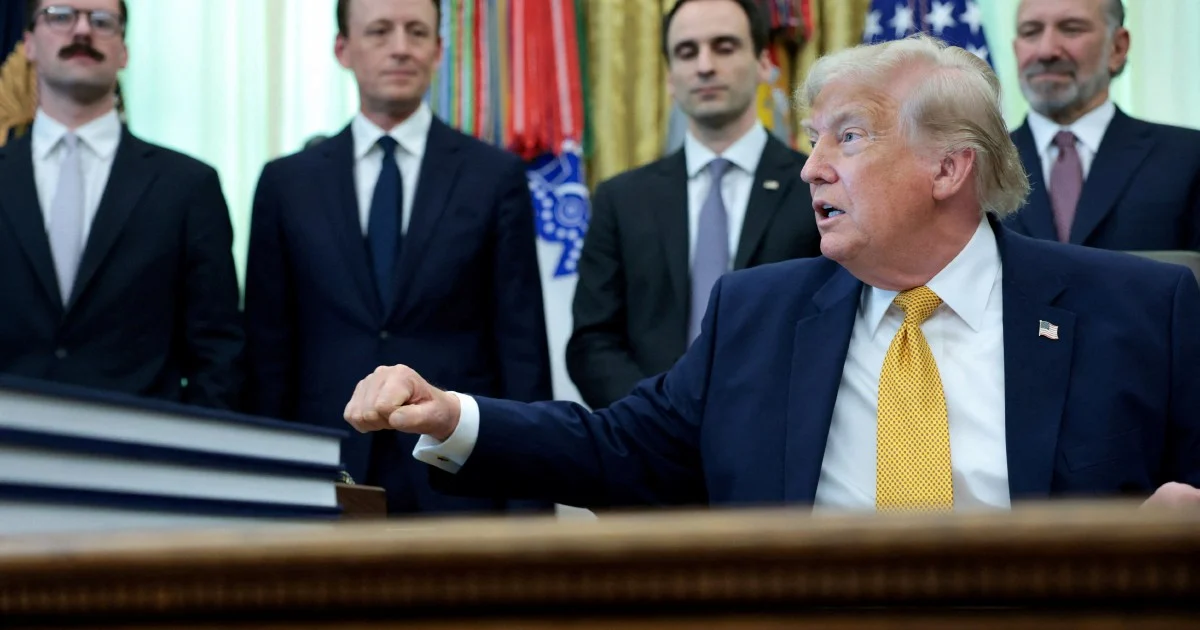
The alleged plot centred on plans to strike the White House at a moment when President Donald Trump was hosting a UFC event on the grounds of the residence. This specific timing element underscores both the sophistication of the purported threat assessment and the security challenges posed by large-scale public events held at sensitive government locations. The convergence of entertainment programming and presidential security represents a notable operational concern for those charged with protecting the nation's chief executive and the symbolic seat of American power.
The Justice Department's announcement of the two arrests indicates that federal investigators have been conducting a sustained inquiry into the alleged conspiracy. Law enforcement agencies typically proceed methodically through such investigations, coordinating across multiple jurisdictions and deploying various investigative tools before reaching the stage of public arrests and formal charges. The timing of the disclosures suggests investigators had accumulated sufficient evidence to move forward with prosecutorial action.
While the original allegations remain under investigation, the specificity of targeting a major public event at the White House demonstrates the evolving nature of modern security threats facing government installations. The integration of entertainment events into presidential operations, while serving important public relations and diplomatic functions, inevitably creates new vulnerabilities that security personnel must evaluate and mitigate. The convergence of these elements presented a distinctive operational scenario for protective services.
For Malaysian observers monitoring developments in American governance and security, this incident illuminates the persistent challenges faced by democracies in balancing public access and ceremonial functions against the imperative of protecting senior government officials. The scale and publicity surrounding presidential residences create inherent tensions between openness and security that persist across different political systems.
The details surrounding the suspected conspiracy remain partially under wraps as investigations proceed through various legal channels. Federal prosecutors typically maintain strategic silence regarding operational details and evidence compilations until formal charges and court proceedings establish the broader factual record. This prosecutorial approach reflects both legal procedure and ongoing security considerations that may extend beyond the immediate case.
The arrests represent a significant engagement by federal law enforcement machinery, which mobilises extensive resources toward threat assessment and prevention. The Justice Department's involvement signals the seriousness with which authorities treated the allegations, though the precise nature and credibility of the underlying threat remain subject to judicial determination and public disclosure over coming months.
Regional security analysts in Southeast Asia often examine American domestic security incidents to assess broader trends in threat identification and response protocols. The responsiveness demonstrated by federal agencies in this instance reflects institutional capacities that remain distinctive within international law enforcement contexts. The coordination between different agencies and the relatively swift movement toward arrests indicate operational effectiveness, though questions persist regarding threat assessment standards and prevention methodologies.
For Malaysia and its neighbours, developments within American security frameworks hold indirect relevance insofar as they reflect broader patterns in how major democracies address asymmetrical threats and organised plotting. The involvement of UFC events in this context also highlights how contemporary entertainment and public gatherings intersect with security operations in ways that shape policy responses and resource allocation across multiple domains.
The continued unfolding of this investigation will likely generate additional disclosures regarding the suspected plotters' identities, alleged motivations, and the specific operational details that first drew law enforcement attention. Subsequent court proceedings will establish more comprehensive factual records and allow fuller public understanding of what authorities characterise as a serious threat to presidential and institutional security.