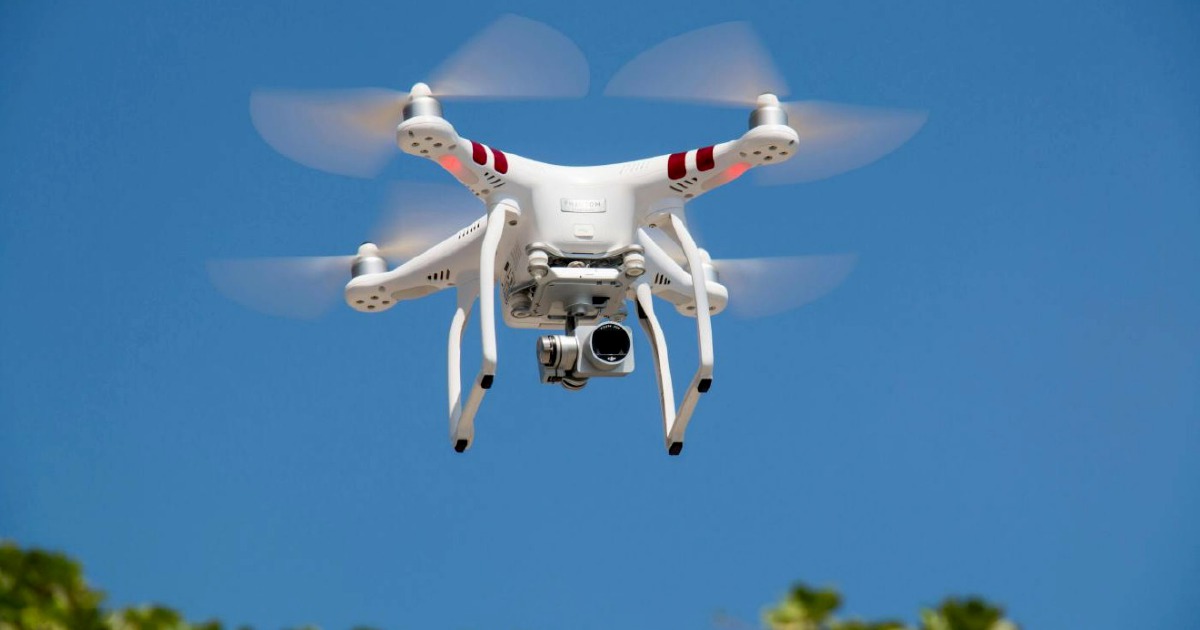
Two suspects now face investigation following a police operation that uncovered an alleged scheme to deliver tobacco products into Sungai Udang Prison through drone technology. The arrests came during a raid conducted Wednesday at a residential address in Taman Kris Satria, located in the Sungai Udang district of Melaka. The operation represents authorities' continued battle against contraband entering correctional institutions through increasingly sophisticated methods.
The use of drones to circumvent prison security demonstrates an evolution in smuggling tactics that penal authorities across Southeast Asia have grown concerned about in recent years. Rather than relying solely on visitors or staff to bring prohibited items into facilities, criminal networks have adapted to exploit gaps in aerial surveillance and physical perimeter defences. This particular case in Melaka adds to documented instances across Malaysian prisons where unmanned devices have been deployed to transport everything from mobile phones to drugs.
Tobacco smuggling into correctional settings occurs despite national regulations and prison protocols designed to prevent contraband entry. Within Malaysian penal institutions, tobacco remains a commodity of significant value due to its scarcity and the demand created by incarcerated populations. The appeal of profiting from this demand has incentivised criminal networks to develop ever more creative delivery mechanisms that can bypass traditional checkpoint controls and physical searches.
Sungai Udang Prison, located in Melaka state, holds hundreds of inmates and represents one of Malaysia's significant correctional facilities. Like other major prisons in the country, it implements security measures intended to regulate what enters the institution, including restrictions on visitor access and screening procedures. The successful identification of this drone-based smuggling attempt suggests that detection mechanisms, whether through surveillance footage, intelligence gathering, or physical evidence, remained effective in this instance.
The investigation phase now determines the full scope of the alleged operation and identifies whether this represented an isolated incident or part of a broader smuggling network. Authorities will examine communications between the suspects, financial transactions, the drone's specifications and operational range, and whether contraband successfully reached the prison on previous occasions. Such details become crucial in determining appropriate charges and potential sentencing recommendations.
For Malaysian correctional authorities, this incident reinforces the necessity of continuously upgrading physical and technological security infrastructure. Investment in drone detection systems, enhanced perimeter monitoring, and real-time surveillance coordination has become increasingly essential as smugglers adopt aerial delivery methods. The Royal Malaysian Police and Prison Department have recognised these evolving threats, though resource constraints and implementation timelines vary across different facilities.
The incident also highlights vulnerabilities in residential areas surrounding correctional institutions. Smuggling operations typically require launch points within range of prison perimeters, making nearby neighbourhoods like Taman Kris Satria potential operational bases for criminal activity. Enhanced community awareness and cooperation with local residents can provide additional layers of detection, complementing official security measures.
Beyond immediate security concerns, the case underscores broader challenges within Malaysia's prison system regarding contraband management and rehabilitation environments. When prohibited items circulate freely within institutions, they undermine efforts to maintain order, facilitate violence or gang activity, and complicate rehabilitation programmes. Tobacco in particular, while less immediately dangerous than narcotics, contributes to an informal economy within prisons that can generate tension and inequality among inmate populations.
The international dimension of prison security has become increasingly relevant as organised criminal networks operate across borders and jurisdictions. Sophisticated smuggling operations often involve coordination between external networks and individuals inside correctional facilities, suggesting possible insider involvement that investigators will need to establish. Such connections can span Malaysia's porous land border with Thailand and maritime routes, through which various contraband items transit.
For Malaysia's broader law enforcement strategy, this arrest demonstrates the importance of intelligence-led operations targeting suspected smuggling networks rather than reactive responses to contraband discoveries. Proactive investigations identifying the planning stages of smuggling attempts, before they reach facilities, offer opportunities to disrupt entire operations and pursue charges against multiple participants across different locations.
The Melaka case will likely inform ongoing discussions within the Prison Department regarding standard operating procedures for detecting and preventing aerial contraband delivery. Neighbouring ASEAN nations facing similar challenges through their own correctional systems may also monitor this case for insights into detection methods and prosecution approaches.
As investigations continue into the two arrested suspects, the incident serves as a reminder that Malaysian correctional facilities remain targets for smuggling operations utilising modern technology. Sustained investment in security infrastructure, intelligence capabilities, and inter-agency coordination will remain essential for prison authorities attempting to maintain order and create environments conducive to rehabilitation and eventual reintegration of offenders into society.

