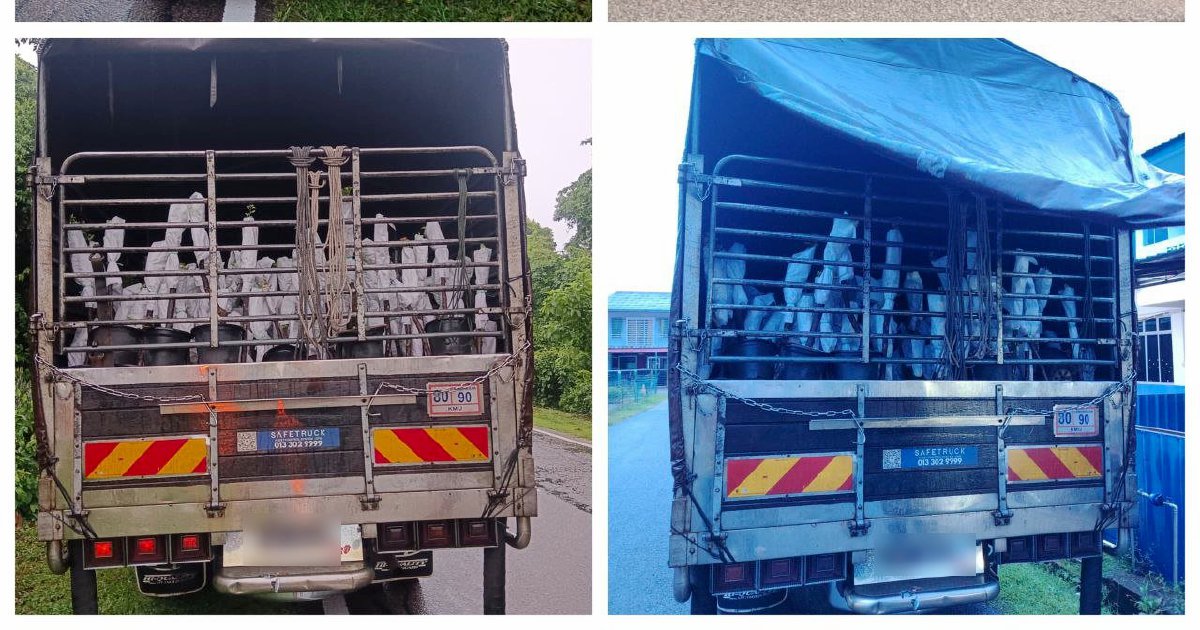
Authorities apprehended a lorry driver and his attendant at Rantau Panjang during a coordinated enforcement operation yesterday, uncovering a consignment of plant saplings imported illegally from Thailand with an estimated market value of RM85,000. The seizure underscores the growing sophistication of smuggling networks operating along Malaysia's northern frontier, where porous border areas continue to present significant challenges for customs and enforcement agencies tasked with intercepting contraband.
The operation at Rantau Panjang, a major crossing point between Kelantan and Thailand's Narathiwat Province, reflects intensified vigilance by Malaysian authorities attempting to curb the illicit movement of goods across the country's international boundaries. Rantau Panjang has historically served as a transit hub for both legitimate trade and clandestine commerce, making it a strategically important location for regulatory inspections and border management.
The case highlights a less publicised but persistent problem affecting Malaysia's agricultural sector and environmental oversight: the uncontrolled import of plant materials that circumvent biosecurity protocols. These saplings, had they entered the legitimate supply chain, would have avoided quarantine procedures designed to prevent the introduction of pests, diseases, and invasive species that could threaten local flora and agricultural productivity. The scale of the contraband—valued at RM85,000—suggests this operation was not merely opportunistic but part of a coordinated trafficking arrangement with commercial intent.
Plant smuggling operations typically cater to a lucrative domestic market for exotic ornamental species, rare botanical specimens, and commercially valuable seedlings that nurseries can offer at competitive prices by circumventing import duties and licensing requirements. The lorry's cargo capacity indicates the smugglers anticipated substantial demand, implying connections to established distribution networks within Malaysia capable of rapidly absorbing large quantities of merchandise while minimising detection risk.
The arrests represent an important interdiction, yet they also reveal fundamental vulnerabilities in how Malaysia monitors cross-border movement of biological materials. While enforcement agencies have successfully intercepted this particular shipment, the incident demonstrates that determined smugglers continue identifying transit routes and methodologies that exploit gaps in surveillance or bureaucratic oversight. The fact that the operation was executed via commercial lorry, a vehicle type that regularly traverses the border carrying legitimate cargo, suggests traffickers deliberately attempted to camouflage contraband within the normal flow of cross-border commerce.
For Malaysian horticulturists and nursery operators, smuggled imports represent both direct commercial competition and potential economic disruption should diseases or pests spread from unvetted foreign plant material into cultivation areas. The government's phytosanitary regulations exist precisely to prevent such scenarios, making effective enforcement essential for protecting the integrity of Malaysia's plant industry and broader agricultural ecosystem.
The detention of both the driver and attendant indicates investigators detected a deliberate smuggling operation rather than a minor infraction or inadvertent breach of regulations. This distinction matters for understanding the infrastructure supporting illegal horticultural trafficking, as smuggling operations of this scale require planning, financial capital, driver cooperation, and customer networks on both sides of the border. Thai suppliers, Malaysian distributors, and end-purchasers form a supply chain that authorities must dismantle at multiple points simultaneously to render such ventures economically unviable.
Kelantan's position as Malaysia's premier horticultural state adds particular significance to border security at Rantau Panjang. The region's established plant nursery industry, significant export production, and climate suitable for cultivating diverse species make it both an attractive market for smuggled goods and strategically important for protecting local commercial interests. Illegal imports undercut legitimate producers who comply with biosecurity requirements, obtain proper licensing, and pay applicable duties.
The operation reflects broader regional dynamics involving Thailand, Malaysia, and other Southeast Asian nations' attempts to regulate agricultural product movement. While bilateral trade agreements facilitate legitimate commerce, enforcement gaps create opportunities for smugglers willing to accept legal risks. The sophistication evident in this smuggling attempt—using commercial transportation, targeting high-value cargo, timing movement to exploit inspection bottlenecks—suggests evolving tactics that law enforcement agencies must continuously counteract with enhanced monitoring and intelligence gathering.
Authorities have not yet released details regarding the saplings' intended destination within Malaysia, any alleged buyers or distribution partners, or whether the operation formed part of larger trafficking networks operating across multiple border checkpoints. These investigative details will prove crucial for understanding the full scope of horticultural contraband movements and potentially identifying co-conspirators in both Thailand and Malaysia whose involvement extends beyond this single incident.
The case serves as a reminder that Malaysia's border enforcement agencies, despite resource constraints and the sheer volume of daily cross-border traffic they manage, continue interdicting significant smuggling operations. The RM85,000 seizure represents material success, though it likely represents only a fraction of total contraband movement along this route. Sustained commitment to border security, coordination between customs authorities and agricultural regulators, and targeted intelligence operations remain essential for protecting Malaysia's agricultural sector from the cascading risks posed by unvetted botanical imports entering through illicit channels.

